





Chakra & Note Information – The Ultimate Guide to Understanding the Seven Chakras
The chakra system is an ancient framework originating from Indian spiritual traditions that explains how awareness, emotion, and physical presence are experienced through the body. Rather than being a belief system, chakras serve as a symbolic map of human experience—showing how different aspects of life are perceived, processed, and expressed.
Traditionally, seven primary chakras are described, aligned vertically along the spine. Each chakra reflects a distinct layer of human experience, beginning with physical stability and progressing toward awareness and contemplation.
In modern meditation, yoga, and sound practices, chakras are often associated with musical notes. These associations are not rigid or universal laws. Instead, they act as reference points that help practitioners work with sound in a mindful and intentional way, especially when using instruments such as singing bowls.
This guide offers a complete, in-depth explanation of all seven chakras, including their Sanskrit names, meanings, locations, musical note associations, and how sound is traditionally used to bring awareness to each center.

Chakra Overview: Sanskrit Names & Musical Notes
| Chakra | Sanskrit Name | Location | Musical Note | Core Theme |
|---|---|---|---|---|
| Root | Muladhara | Base of the spine | C | Stability & grounding |
| Sacral | Svadhisthana | Lower abdomen | D | Emotion & creativity |
| Solar Plexus | Manipura | Upper abdomen | E | Confidence & will |
| Heart | Anahata | Center of chest | F | Compassion & balance |
| Throat | Vishuddha | Throat | G | Expression & truth |
| Third Eye | Ajna | Between eyebrows | A | Insight & clarity |
| Crown | Sahasrara | Top of the head | B | Awareness & integration |
Root Chakra – Muladhara (Musical Note: C)
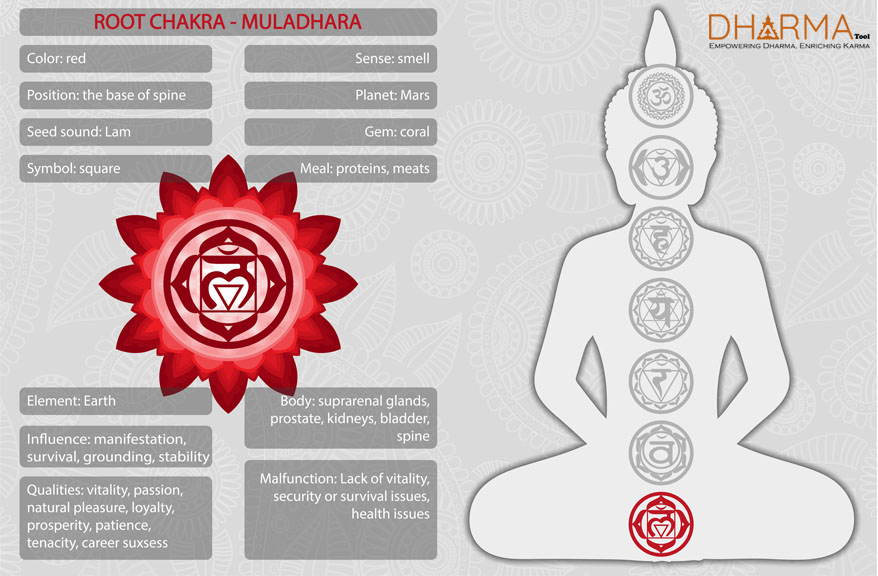
The Root Chakra is the foundation of the chakra system. Known as Muladhara, it represents our connection to the physical world and our sense of safety, stability, and belonging. This chakra relates to the most basic aspects of life: shelter, nourishment, routine, and physical presence.
When awareness rests at the Root Chakra, attention naturally moves toward the body. Posture, breath, and physical stillness become important. Rather than emotion or thought, this chakra emphasizes being grounded and supported.
An unsettled Root Chakra does not indicate failure—it often reflects a lack of connection to the present moment. When attention drifts upward without grounding, feelings of instability or restlessness can arise.
The musical note C is associated with Muladhara because it feels resolved and stable within the musical scale. In sound practices, low tones centered around C are used to encourage grounding, calmness, and physical awareness.
When using singing bowls for this chakra, sound is usually slow, deep, and steady, allowing the body to settle naturally.
Sacral Chakra – Svadhisthana (Musical Note: D)
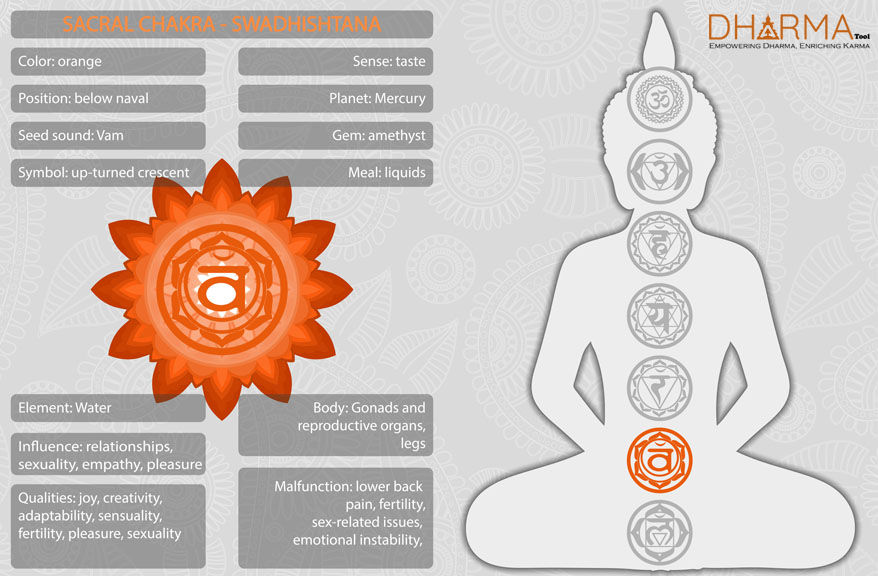
The Sacral Chakra, or Svadhisthana, governs movement, emotion, creativity, and adaptability. Located in the lower abdomen, it reflects how we experience change and emotional flow.
This chakra allows emotions to be experienced as movement rather than obstacles. It supports creativity not only in art, but in how we respond to life itself.
When awareness is balanced here, emotions pass naturally. When restricted, emotional expression may feel blocked or excessive.
The musical note D carries a sense of motion and continuity. In sound practices, it is used to support emotional balance, fluidity, and gentle release.
Sound at this level is often played with flowing rhythm, mirroring breath and natural movement.
Solar Plexus Chakra – Manipura (Musical Note: E)
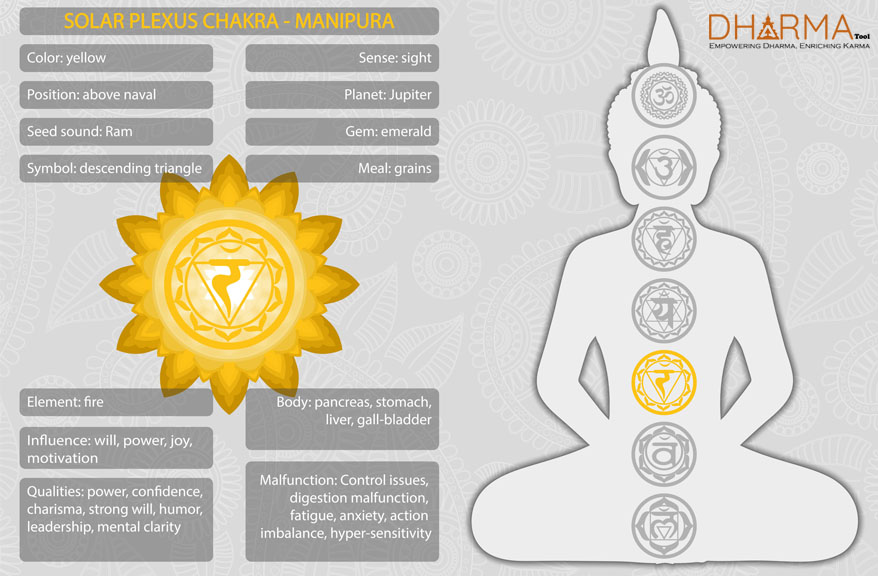
The Solar Plexus Chakra, known as Manipura, represents personal power, confidence, and inner strength. It governs decision-making, motivation, and responsibility.
This chakra is not about dominance or control over others. Instead, it reflects clarity, self-respect, and the ability to act with purpose.
When Manipura is balanced, action feels natural and confident. When unsettled, people may experience hesitation, self-doubt, or overcompensation.
The musical note E is bright and energizing. In sound practices, it supports alertness, focus, and clarity without agitation.
Sound work for this chakra is often steady and clear, encouraging upright posture and focused awareness.
Heart Chakra – Anahata (Musical Note: F)
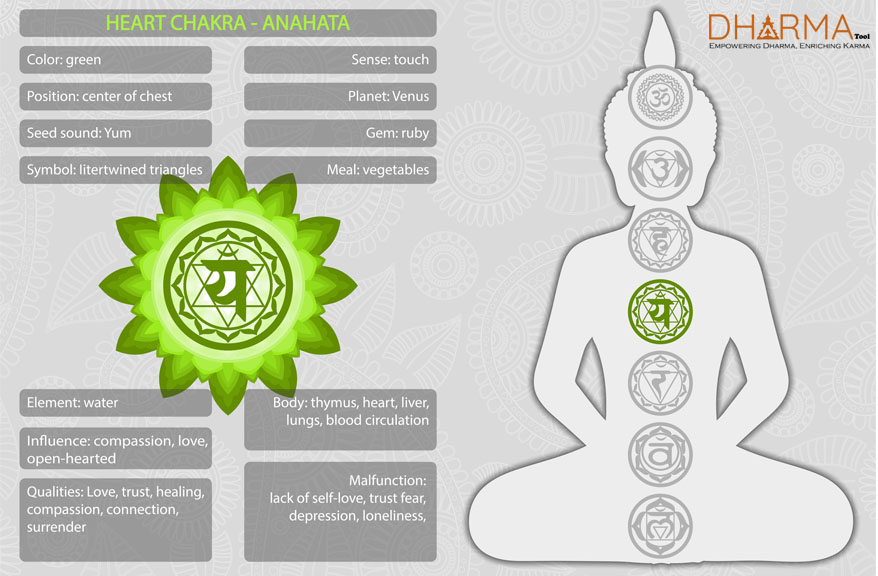
The Heart Chakra, or Anahata, is the center of balance within the chakra system. It bridges the physical and emotional chakras below with the mental and contemplative chakras above.
This chakra governs compassion, empathy, connection, and emotional balance. It allows openness without losing boundaries.
Anahata supports the ability to connect deeply while remaining stable. It is not emotional excess, but emotional balance.
The musical note F sits near the center of the musical scale. In sound practices, it supports harmony, calm connection, and emotional openness.
Sounds associated with this chakra are often smooth and expansive, encouraging balance rather than intensity.
Throat Chakra – Vishuddha (Musical Note: G)
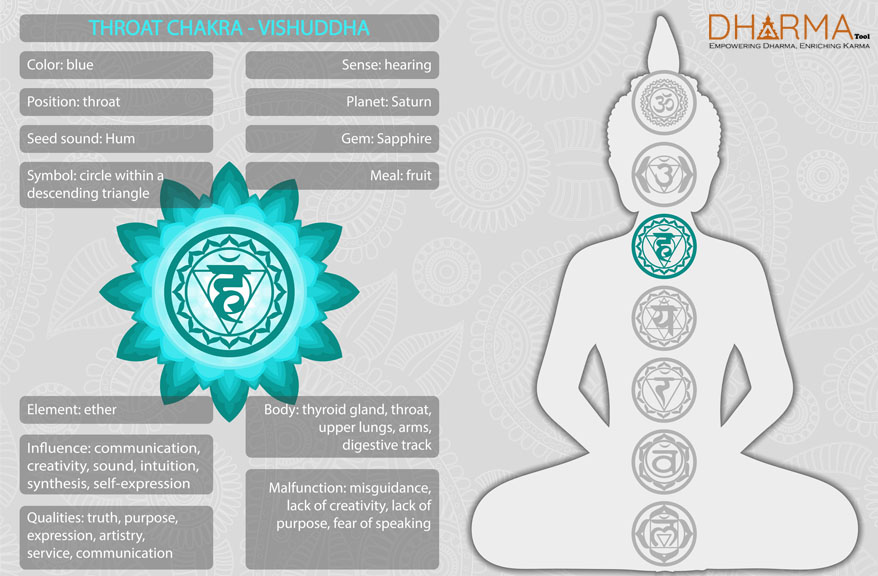
The Throat Chakra, known as Vishuddha, governs communication, expression, and truth. It influences how we speak, listen, and express ourselves authentically.
This chakra is not about speaking more, but about clarity and alignment between inner experience and outward expression.
Listening is as important as speaking here. Balanced Vishuddha allows communication to feel natural rather than forced.
The musical note G is clear and resonant. It is commonly used in chanting and toning, as it naturally vibrates through the throat and chest.
In singing bowl practice, sustained resonance near this note encourages clarity and openness without strain.
Third Eye Chakra – Ajna (Musical Note: A)
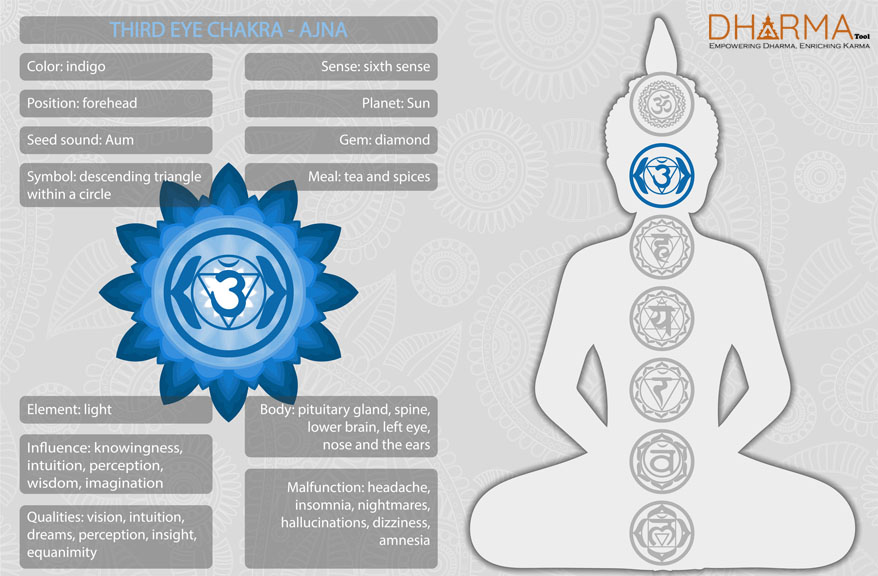
The Third Eye Chakra, or Ajna, represents insight, perception, and discernment. It governs how we see and understand experience beyond surface thinking.
This chakra is associated with clarity rather than imagination. It supports observation, reflection, and mental stillness.
When Ajna is balanced, understanding arises naturally. When unsettled, mental overload or confusion may occur.
The musical note A is balanced and penetrating. In sound practices, it supports focus and sustained attention without overstimulation.
Sound work here is gentle, often allowing resonance to fade into silence.
Crown Chakra – Sahasrara (Musical Note: B)
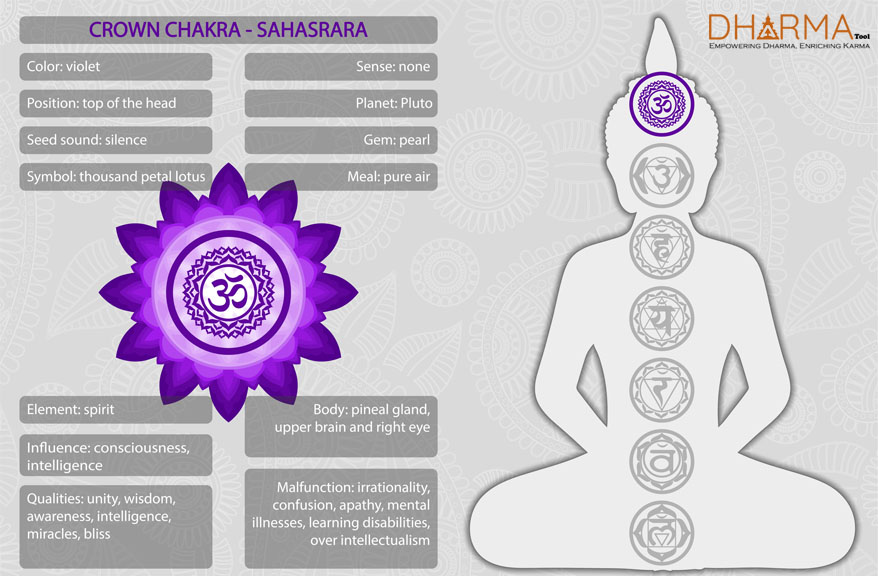
The Crown Chakra, known as Sahasrara, represents awareness beyond personal identity. It is associated with contemplation, integration, and presence.
This chakra is not about doing or expressing, but about being. It reflects stillness and awareness itself.
Sahasrara is traditionally approached with humility and simplicity, recognizing silence as an essential part of awareness.
The musical note B carries a sense of completion and transition. In sound practices, it often leads naturally into silence.
The silence following sound is considered as meaningful as the sound itself.
Explore the 7-Chakra Singing Bowl Healing Sets
For practitioners who wish to work with all seven chakras together, a 7-Chakra Singing Bowl Set offers a structured and harmonious approach. Each bowl corresponds to one chakra and its associated musical note.
These sets are commonly used by sound healers, yoga teachers, meditation practitioners, and wellness centers to support full-body awareness and balanced practice.
Which Chakra Singing Bowl for Specific Concerns?
Many people search online for chakra singing bowls when they feel something is out of balance in daily life. These searches often use phrases like “which chakra singing bowl for stress,” “which chakra bowl for confidence,” or “which chakra bowl for grounding.”
It is important to understand that chakra singing bowls are not medical tools and do not diagnose or cure conditions. Instead, they are traditionally used as sound and awareness tools that help guide attention to certain aspects of experience.
Below is a general guide showing how people commonly relate specific concerns to chakra awareness and singing bowl practice.
Feeling Ungrounded or Disconnected
People who feel scattered, restless, or disconnected often focus on the Root Chakra (Muladhara). Singing bowls with deeper, grounding tones are used to support physical awareness, stillness, and a sense of stability.
Emotional Overwhelm or Creative Block
Emotional heaviness or lack of creative flow is often associated with the Sacral Chakra (Svadhisthana). Sound practices here emphasize smooth, flowing resonance that supports emotional movement and adaptability.
Lack of Confidence or Motivation
Concerns around self-confidence, hesitation, or personal direction are traditionally linked to the Solar Plexus Chakra (Manipura). Singing bowls used for this chakra encourage clarity, presence, and inner strength rather than force.
Difficulty Connecting or Feeling Closed
When people feel emotionally closed or disconnected from others, awareness is often placed on the Heart Chakra (Anahata). Bowls associated with this chakra are used to support balance, openness, and calm connection.
Trouble Expressing Thoughts or Feelings
Communication challenges are commonly related to the Throat Chakra (Vishuddha). Singing bowls and vocal tones are used to encourage clear, mindful expression and attentive listening.
Lack of Focus or Mental Clarity
When focus feels scattered or thinking feels unclear, practitioners often work with the Third Eye Chakra (Ajna). Sound practices here are subtle, emphasizing resonance and silence to support clarity.
Seeking Stillness or Deeper Awareness
Those drawn toward contemplation and presence may focus on the Crown Chakra (Sahasrara). Singing bowl practice at this level often emphasizes quiet resonance followed by silence.
Single Chakra Bowl or Full Chakra Set?
Some people choose a single chakra singing bowl to focus on one area of awareness. Others prefer a 7-Chakra Singing Bowl Set, which allows sound to move gradually from grounding to stillness, supporting a more complete and balanced practice.
This approach aligns with how many people naturally search online—starting with a specific concern, then discovering the broader chakra system.
Singing Bowl Frequency & Notes Analyzer
Want to know your singing bowl’s main note and natural overtones? Use our live analyzer to measure frequency in real time and see how different strikes or rim techniques change the sound.
- Detects the bowl’s fundamental tone (main frequency)
- Shows top harmonic peaks and note reference
- Useful for meditation, chakra practice, and sound sessions