





All Singing Bowl Types: Crafting, Forms & Characteristics
Introduction to Tibetan Singing Bowls
Tibetan singing bowls have been crafted for generations across Nepal, India, and Tibet. These deeply resonant instruments are celebrated for their ability to calm the mind, relax the body, and support spiritual practice through vibration and sound. Each bowl carries a different voice—some offer deep grounding bass, others shimmer with bright overtones, and many express a beautifully blended harmony. These qualities are shaped by how the bowl is made, what materials are used, and the traditional family or lineage it belongs to. Understanding these distinctions helps you choose a bowl that resonates with your intention and personal connection.
Types of Singing Bowls by Crafting Method & Material
Hand-Forged Singing Bowls (Hand-Hammered)
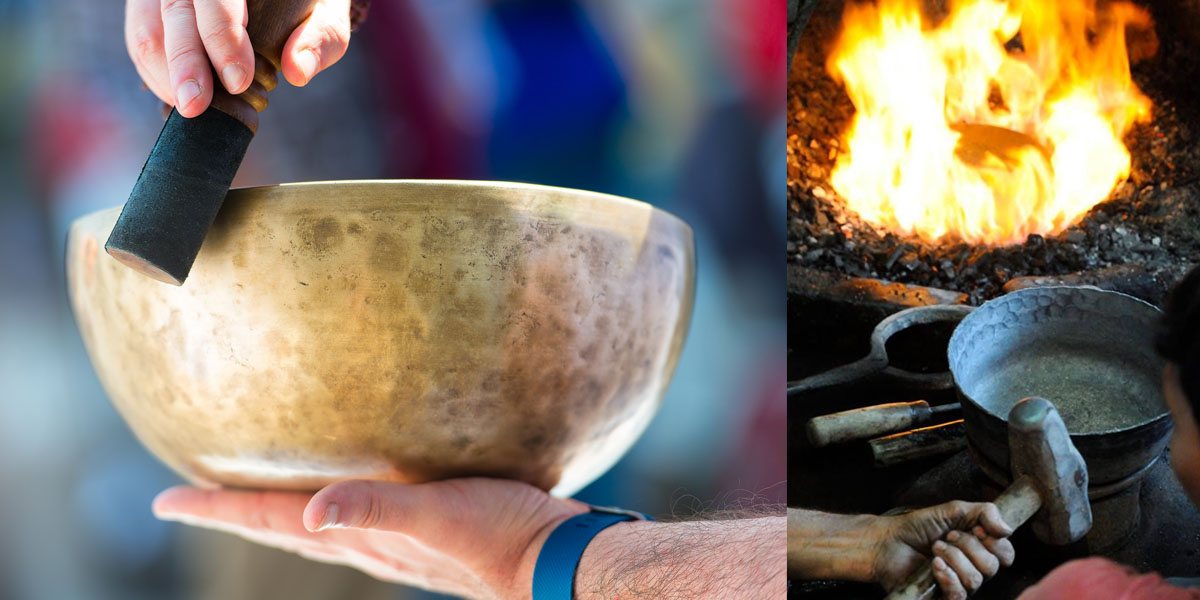
Hand-forged bowls are created through a traditional Himalayan process where artisans heat metal plates and slowly shape them with repeated hammering. This is not simply “forming” the bowl—each strike changes thickness, tension, and balance, which directly influences how the bowl vibrates. Because of these subtle variations, hand-forged bowls often feel alive in the hand, with a tone that blooms naturally and continues to evolve while it rings.
Many people describe the sound of a good hand-forged bowl as warm and layered. Instead of a single clean note, you often hear a strong fundamental tone supported by complex harmonics that shimmer around it. The response can also vary beautifully from bowl to bowl—some speak with a deep, grounded voice, while others carry more sparkle and overtone movement. What stays consistent is the organic character: no two handmade bowls truly sound identical.
Characteristics:
- Forged by hand using ancient hammering techniques
- Traditionally made with sacred metal blends
- Visible hammer marks showing true handmade work
- Deep, complex tones with rich harmonics
- Organic, evolving resonance
- Each bowl has a unique voice and vibration
Hand-Casted Singing Bowls

Hand-casted bowls are made by melting metal and pouring it into molds to create an even, consistent structure. After cooling, the bowl is refined through polishing and shaping, and many pieces are also engraved or tuned. The casting method naturally creates symmetry, which helps the bowl produce a stable, predictable voice with fewer “surprises” in the harmonic movement.
Compared to hand-forged bowls, cast bowls often sound cleaner and more direct. The fundamental note tends to stay steady, and the harmonic layers are usually simpler and easier to identify. This consistency makes them especially attractive for people who want repeatable sound behavior—where the bowl responds the same way each time you play it, with a tone that stays clear and controlled.
Characteristics:
- Symmetrical, smooth form
- Clear and stable tonal quality
- Often tuned to musical pitches
- Highly repeatable sound behavior
- Ideal for chakra sets and classroom environments
- Capable of refined decorative engravings
Crystal Singing Bowls (Quartz)

Crystal singing bowls are crafted from purified quartz, typically formed under extremely high heat to produce a dense, resonant structure. Their sound is often described as luminous and “laser-like” because the tone can feel very focused—less earthy and layered than metal, and more pure in its main frequency. When played well, the sound fills a room quickly and can feel intensely present, even at lower volume.
Where metal bowls may offer a shifting, complex harmony, crystal bowls usually create a clearer, cleaner pitch with a long, smooth sustain. Many people notice that the vibration feels very direct—almost like a wave moving straight through the air. This makes crystal bowls a popular choice for those who love clarity, long ringing tones, and a modern sound signature that is quite different from traditional Himalayan bronze.
Characteristics:
- Made from nearly pure quartz
- Glowing, ethereal sound quality
- Very long sustain
- Strong, room-filling vibration
- Often precisely tuned to chakra notes
- Available in frosted, clear, and colored variations
Aluminum Singing Bowls
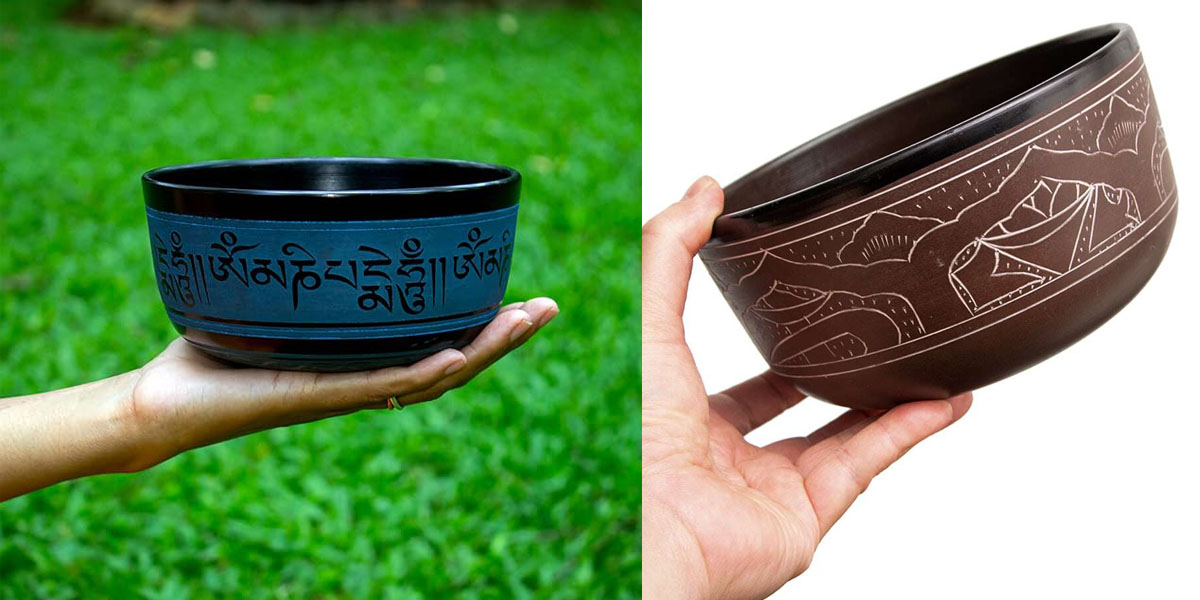
Aluminum bowls are a modern variation and are usually made through casting or machining. Because aluminum is lightweight and has different resonance behavior from bronze, these bowls tend to produce a brighter, sharper ring that feels more metallic and quick. Their sound often rises fast and fades sooner, which can be appealing for those who prefer a crisp, immediate tone rather than a long, rolling sustain.
They are not part of the traditional Tibetan bowl lineages, but they exist as an alternative material option. Some people appreciate aluminum bowls for their portability and durability, while others prefer the warmer, deeper voice that bronze or traditional metal blends typically provide. The best way to understand aluminum is to think of it as a different instrument family—similar concept, but a very different “voice.”
Characteristics:
- Very lightweight
- Bright, metallic tonal quality
- Shorter sustain compared to bronze
- Durable and resistant to tarnish
- Modern aesthetic
Traditional Himalayan Singing Bowl Families
Jambati / Jambhati Singing Bowls
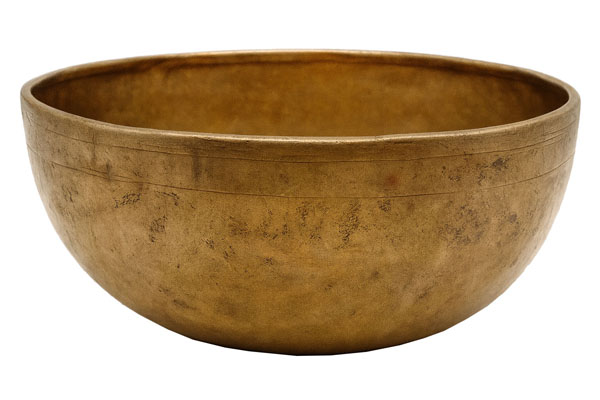
Jambati bowls are among the most recognized Himalayan bowl families, known for their taller body and elegant, open curve. A strong Jambati often carries a deep, mature voice—one that feels grounded and steady, with sound that expands outward in slow, comforting waves. When played, the tone tends to “bloom” rather than snap, creating a sense of depth and emotional warmth.
Rim thickness plays a big role in how a Jambati expresses itself. Some bowls carry a brighter edge or higher presence, while others stay deeper with rich, distinguishable overtones layered behind the fundamental. In antique examples, the balance between tone and harmonics can be truly special—clear, confident, and surprisingly alive even at low volume.
Characteristics:
- Deep, grounding resonance
- Heavy, powerful construction
- Bright overtones in thick-rim versions
- Deep masculine tone in even-rim versions
- Long, steady sustain
- Highly collectible
Ultabati Singing Bowls
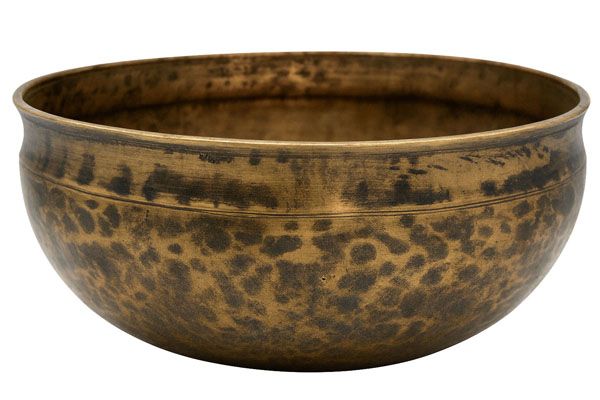
Ultabati bowls are loved for their low, bass-forward voice and the way the vibration feels broad and body-present. Their inward-leaning upper contour helps shape the sound chamber, often strengthening the fundamental tone and making the bowl feel more grounded and “weighty” in its sound. When played well, the resonance can feel like it moves slowly and steadily, rather than flickering quickly in the higher harmonics.
A good Ultabati usually carries warmth rather than sharp brightness. You may still hear overtones, but they often sit behind the main tone, supporting it rather than competing with it. This makes Ultabati bowls especially appreciated by those who want depth, calm, and a strong, steady sonic foundation.
Characteristics:
- Extremely deep bass resonance
- Slow, rolling vibrational waves
- Subtle, warm overtones
- Dominant, steady fundamental tone
- Highly valued for grounding work
Thadobati Singing Bowls
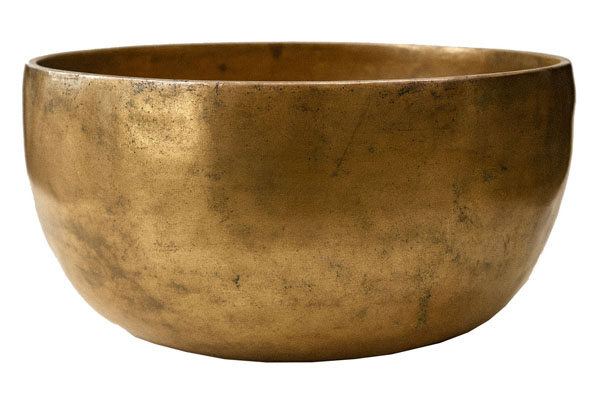
Thadobati bowls are known for their “centered” sound—clear, balanced, and stable. Their flatter base and straighter wall profile often encourages a strong, dependable fundamental tone that is easy to hear and easy to follow. Many people love Thadobati because the sound feels honest and direct: it rings with clarity, yet still carries enough harmonic texture to feel rich and satisfying.
Wall thickness and rim style can change the personality dramatically. Some Thadobati bowls sound bright and crisp with a quick response, while thicker examples develop a deeper, more powerful voice. The best ones find a beautiful middle path—clear tone, controlled overtones, and a steady vibration that feels consistent from the first strike to the final fade.
Characteristics:
- Centered, balanced vibration
- Clear fundamental tone
- Harmonic richness varies with thickness
- Stable, straightforward resonance
- Historically significant design
Thadobati Cups
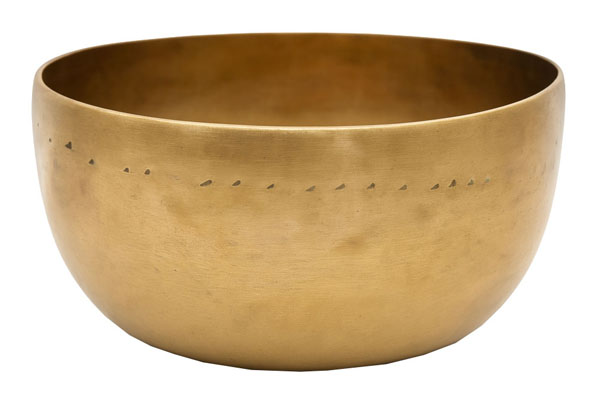
Thadobati cups are the compact members of the Thadobati family, and their smaller size often brings a brighter, bell-like tone. Because the bowl is tighter and the structure responds quickly, these cups tend to “speak” instantly—ideal for those who love crisp sound and fast response. The vibration is often more focused and localized, with a tone that feels clean and precise.
Thickness matters a lot in small bowls. Thin cups can ring brightly and lightly, while thicker cups may develop a surprisingly strong core tone with better sustain. When well-made, a Thadobati cup can be small but powerful—clear attack, stable ringing note, and harmonics that sparkle without becoming harsh.
Characteristics:
- High, bell-like tone
- Quick response
- Strong upper harmonics
- Portable and easy to play
Jhumka Singing Bowls
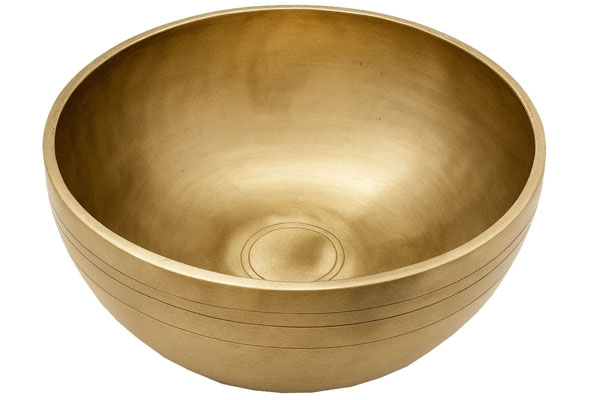
Jhumka singing bowls are recognized by their distinctive bell-like profile—often resembling a traditional hanging bell or “jhumka” ornament. This unique structure encourages a bright, clean ring with a crisp attack, while still carrying a pleasant warmth in the body of the tone. Many Jhumka bowls feel “lively” when played: the sound rises quickly, the overtones sparkle, and the vibration remains clear rather than heavy or muddy. Because of this clarity, they are especially loved by people who want a bowl that speaks instantly and stays easy to control during rim-playing.
Compared to deeper bowl families that produce slow, rolling bass, Jhumka bowls tend to sound more focused and articulated. They can still be wonderfully soothing, but their character is often lighter, more uplifting, and more “singing” in the upper harmonics. Some pieces are made in traditional metal blends and may also be engraved, but what defines a Jhumka bowl is the overall form and the way that form shapes the voice.
Characteristics:
- Bell-like profile that supports a bright, clear ring
- Quick response with strong, clean rim activation
- Shimmering upper harmonics with a focused core tone
- Less heavy bass than deep-bodied bowl families
- Often feels uplifting, crisp, and “lively” in the hand
- Great choice when you want clarity and easy control
Koprebati Singing Bowls
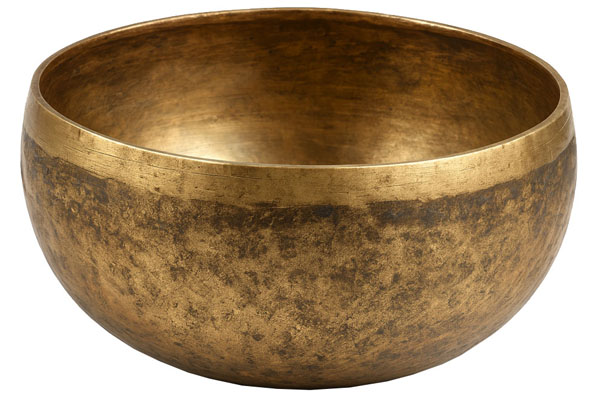
Koprebati singing bowls are appreciated for their balanced, flowing sound and their gentle yet expressive resonance. Their tone often sits between bright and deep—clear enough to feel open, yet warm enough to remain grounding. When played, a good Koprebati bowl produces a smooth, rounded voice that feels calm, natural, and easy to connect with.
What sets Koprebati bowls apart is the way their harmonics move and interact. The fundamental tone remains steady while the overtones rise and fall in a soft, wave-like manner, creating a sense of motion in the sound. Rather than sharp shimmer or heavy density, the resonance feels fluid and harmonious, making these bowls versatile for meditation, sound healing, and everyday mindfulness.
Characteristics:
- Balanced and flowing resonance
- Warm yet clear tone
- Smooth, wave-like harmonics
- Versatile for meditation and sound work
Remuna Singing Bowls
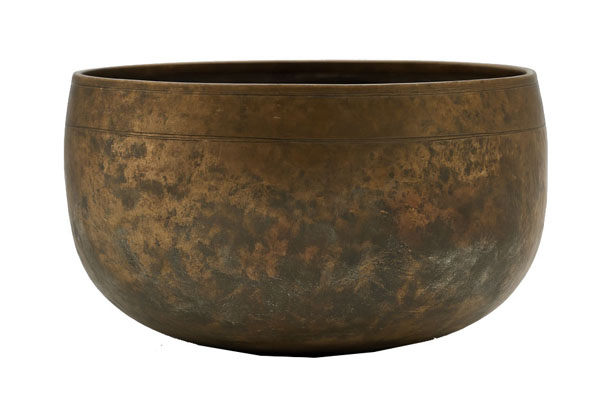
Remuna bowls have a sound that feels more concentrated and “shaped,” often due to their inward-leaning wall angle. This form can guide the vibration into a focused tone that stands out clearly, making the bowl feel articulate and refined. Instead of a wide, airy spread, Remuna bowls often carry a centered presence—like the sound knows exactly where it wants to sit.
In good Remuna bowls, the tone is clean and confident, and the harmonics are neatly organized around the main note. Some pieces feel slightly brighter; others feel more mid-toned and warm—but the defining trait is usually clarity and direction. When played with a mallet, many Remunas ring with a pleasing precision that feels stable from start to finish.
Characteristics:
- Focused, centered vibration
- Clear, articulate tone
- Medium-depth resonance
- Distinct acoustic personality
Mani / Chama Singing Bowls
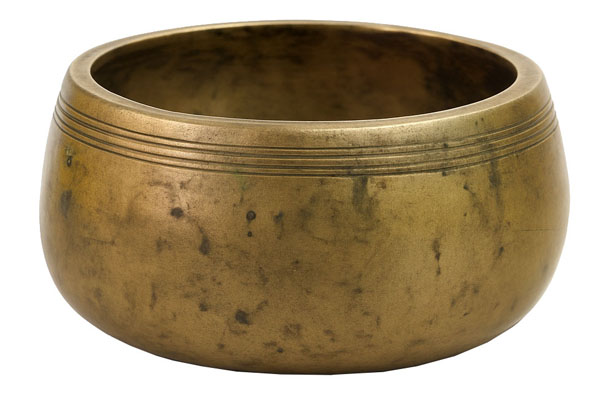
Mani bowls—often associated with monastic tradition—are known for their thick walls and weighty feel. This mass often produces a strong, stable fundamental tone that doesn’t wobble or scatter easily. When you play a Mani bowl, the sound can feel firm and centered, with less dramatic overtone movement and more emphasis on a steady ringing “core.”
Because they are built heavily, Mani bowls often respond well to rim-playing, producing an easy, controlled tone. Their sound can be simple compared to highly overtone-rich bowls, but that simplicity is part of their beauty: direct, unwavering, and deeply grounding in its steadiness.
Characteristics:
- Dense, heavy construction
- Strong, stable fundamental tone
- Easy rim activation
- Rooted in monastic tradition
Pedestal / Naga Singing Bowls
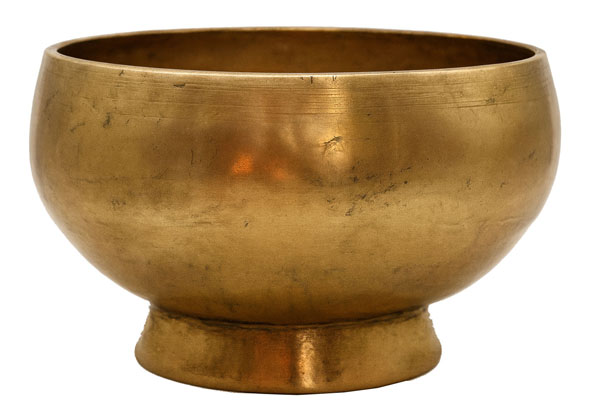
Pedestal bowls feature a raised base attached to the underside, which allows the bowl to sit elevated and resonate more freely. This small structural difference can change the playing feel—often giving the sound a slightly more open character because the bowl isn’t dampened by a flat surface. Many people also enjoy the practical comfort: the pedestal shape can make the bowl easier to hold and position.
Tonally, pedestal bowls can vary widely depending on their thickness and size, but many have a pleasant openness to the ring. When struck, the tone often feels airy and lifted. When rubbed, they can develop a clear singing tone that seems to “float” more than some flat-based designs.
Characteristics:
- Free, elevated resonance
- Clear, open tone
- Ceremonial and decorative appearance
Shiva Lingam Singing Bowls
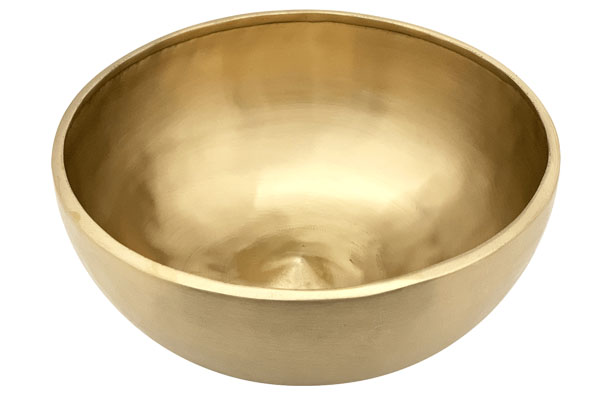
Shiva Lingam bowls are known for a raised dome (lingam) at the center, a symbolic feature that also influences how sound moves inside the bowl. This central form can contribute to a smooth, sustained resonance, often with a pleasing balance rather than overly busy overtones. Many examples ring with a calm steadiness—clear and continuous—while still retaining the warmth of traditional metal.
These bowls are often prized not only for their sound, but for their rarity and the strong identity of the design. The lingam feature becomes a visual and energetic focal point, and many collectors seek bowls where symbolism and sound quality meet at a high level—clean ring, strong sustain, and a refined harmonic structure.
Characteristics:
- Lingam dome at the center
- Extended sustain
- Balanced harmonic layering
- Spiritually symbolic and collectible
Manipuri Singing Bowls
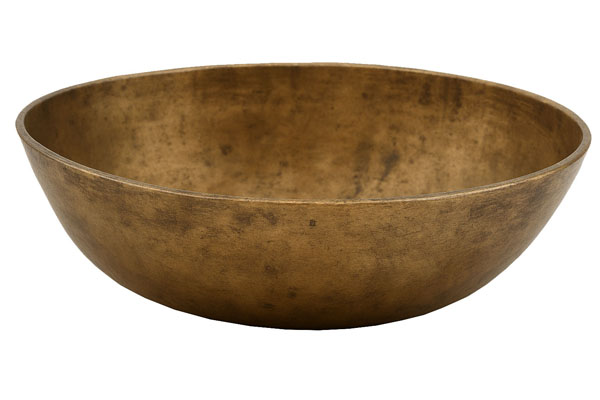
Manipuri bowls are typically wide and low, giving them a very different sound personality from taller, deeper families. Many have a lively voice—quick to respond, expressive in the upper harmonics, and often bright in character. Because the wall height is lower, the sound can spread outward rather than rolling deep, making the resonance feel open and energetic.
Thickness is the key factor here. Thin Manipuri bowls often shimmer with lightness and sparkle, while thicker ones can surprise you with a fuller, deeper tone than you’d expect from the shape. A great Manipuri strikes a sweet balance: an easy, responsive ring with enough body to feel satisfying, not sharp.
Characteristics:
- Bright or deep sound depending on thickness
- Highly responsive
- Wide harmonic range
- Lightweight and easy to use
Gulpa Singing Bowls
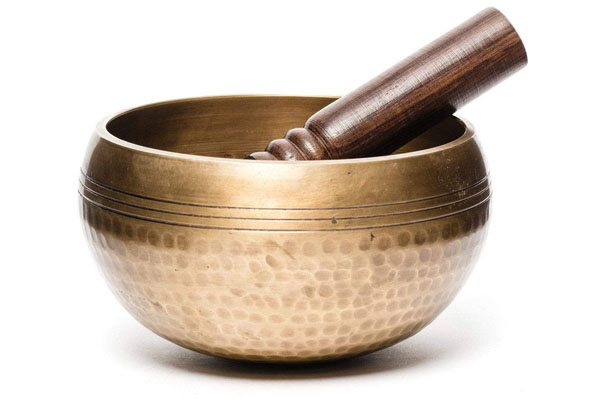
Gulpa bowls are often appreciated for their gentle warmth and calm, comforting ring. Instead of sharp brightness or heavy bass dominance, they tend to sit in a pleasing middle space—smooth, soft, and emotionally soothing. When played, many Gulpa bowls feel like the sound “unwraps” slowly, creating a relaxed atmosphere without demanding attention.
The best Gulpa examples offer a balanced voice with a stable tone and friendly harmonics that don’t feel too busy. They can be especially attractive for those who want a bowl that feels easy to listen to—one that blends naturally into a quiet space with a warm, steady presence.
Characteristics:
- Smooth, soothing tone
- Warm mid-range resonance
- Emotionally comforting sound
Goalbati Singing Bowls
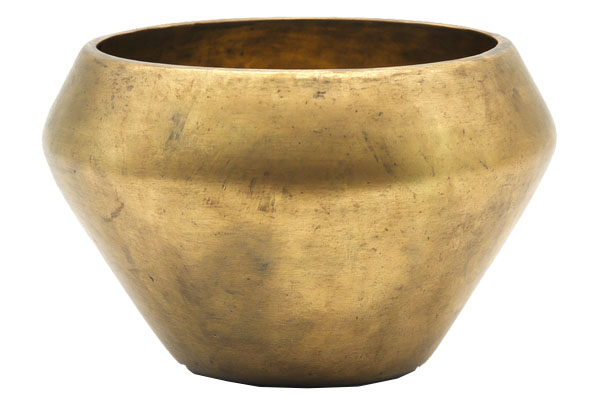
Goalbati singing bowls are known for their deep, grounding voice and their ability to create a strong sense of calm and stability. Their sound is usually warm, rounded, and steady rather than sharp or bright. When played, a good Goalbati bowl produces a rich tone that feels centered and anchoring, making it especially comforting during meditation and slow, mindful practices.
What makes Goalbati bowls distinctive is the way their harmonics unfold gradually. The fundamental tone is strong and present, while the overtones rise smoothly without becoming overwhelming. Instead of a sparkling shimmer, the sound carries a dense, soothing body that encourages relaxation and inward focus. Well-made Goalbati bowls are valued for their reliability and their ability to hold a consistent, sustained vibration.
Characteristics:
- Deep, grounding resonance
- Warm and stable tone
- Strong fundamental with smooth overtones
- Ideal for meditation and calming practices
Rare & Specialty Singing Bowl Types
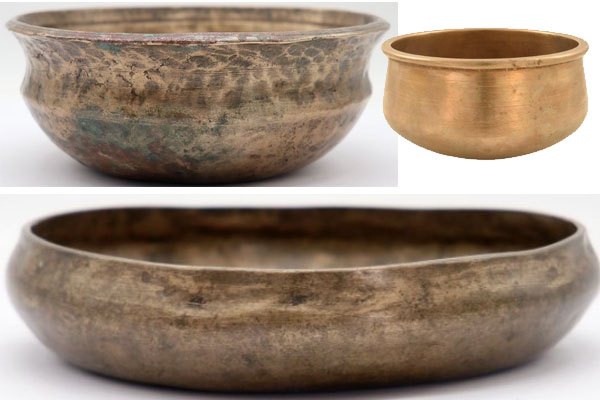
Beyond the well-known bowl families, there are rarer and more region-specific variations that collectors and sound lovers often search for. Some are defined by unusual profiles, special rim styles, or distinctive craftsmanship traditions—while others are simply uncommon versions of familiar bowl lineages. These bowls can feel exciting because they don’t sound “standard”: the resonance may have a unique texture, unusual harmonic movement, or a tone that feels instantly recognizable.
Because these types vary widely, the best approach is to listen for personality—how the bowl speaks, how the harmonics behave, and whether the sound feels balanced and clean. Many specialty bowls become treasured pieces because they offer something you don’t hear every day: a rare voice, a rare shape, or a rare quality of sustain and clarity.
- Kumbha Bowls: Deep-bodied resonance.
- Newari Bowls: Traditional Nepalese artistry.
- Lotus-Rim Bowls: Decorative, petal-like contours.
- Healing Plates: Flat resonance plates for bodywork.
Characteristics:
- Unique tonal textures
- Region-specific craftsmanship
- Highly collectible
- Diverse resonance qualities
Special Category: Full Moon (Purnima) Singing Bowls
Full Moon Singing Bowls
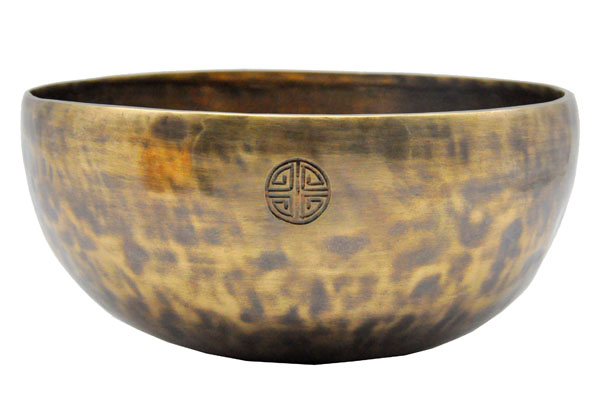
Full Moon Singing Bowls—also called Purnima Bowls—belong to a unique category that is not defined by size, material, or bowl family. Instead, they are defined by timing and intention: they are made during the full moon night, a moment traditionally associated with clarity, calm awareness, and spiritual illumination. What makes them special is not the form itself, but the ceremonial mindset behind their creation.
Artisans forge these bowls in a more mindful rhythm, often treating the process as a focused practice rather than standard production. Many people feel the resulting tone is softer and more emotionally soothing—less sharp, more rounded, and more harmonizing in the way the sound spreads. Any bowl family can have a Full Moon counterpart; the “Purnima” identity lives in the story of how and when it was made.
Characteristics:
- Forged exclusively during the full moon (Purnima)
- Not a shape, not a material type — a spiritual crafting category
- Believed to hold calming, balancing lunar energy
- Softer, emotionally soothing tonal presence
- Limited production — only one forging cycle per moon
- Preferred for intention-setting and silent meditation
Finding the Singing Bowl That Speaks to Your Soul
Each singing bowl carries its own identity, shaped by the way it is made, the materials involved, and the lineage of craftsmanship behind it. Some bowls are warm and layered, some are clear and direct, some are bright and lively, and others are deep and steady. Rather than chasing a single “best” bowl, it helps to listen for the voice that feels natural to you—the one that matches your mood, your intention, and the kind of resonance you want to live with.
Whether you are drawn to hand-forged tradition, cast consistency, crystal clarity, or specialty lineages like Jambati, Ultabati, Thadobati, Manipuri, or Full Moon bowls, the right bowl is the one that feels like a true companion. When the sound settles your mind and feels right in your body, you’ve found the bowl that belongs with you.
Explore All Tibetan Singing Bowls
Discover our full collection of handmade Tibetan singing bowls—crafted by skilled artisans with traditional methods and pure intention.
Browse Singing Bowls