

SHOP

Refine Your Tools
Your Cart

Antique & Collected Singing Bowls

Antique & Collected Singing Bowls – One of a Kind, Assessed and Played by a Sound Healer

Every bowl here already existed before we found it. These are not new bowls given an aged finish — they are genuine older Himalayan bowls, collected from households, monasteries and long-standing dealers across Nepal. Each is a single piece. When one is gone it cannot be replaced, because there is no mould and no second example. How our sound healer assesses each piece.

Antique and collected Tibetan singing bowls from Nepal in Thadobati, Jambati, Manipuri, Mani and Lingam forms
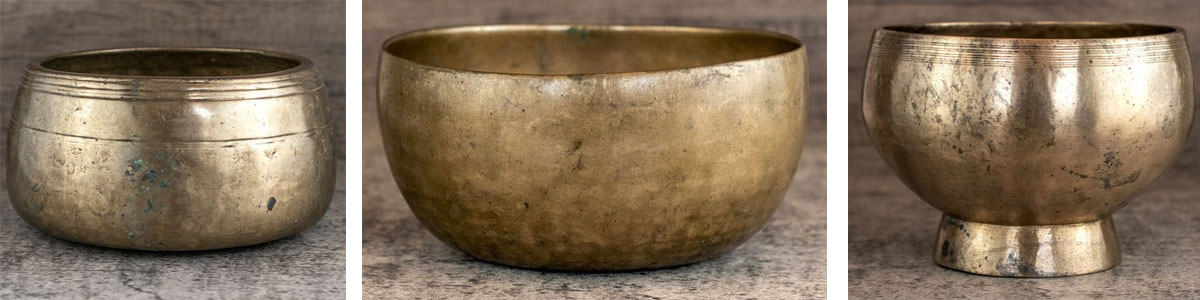
Collected bowls awaiting assessment. Each is a single piece with its own history, wear and voice.

The collection covers the classical forms — Thadobati, Jambati, Manipuri, Koprebati, Mani, Goalbati, Lingam and Naga pedestal — from small cups to full-size Jambati. Because each is unique, we record every one before it ships, so you hear the actual bowl rather than a stand-in.

Being straight about what these are

This corner of the market is full of vague language, so here is ours in plain terms.

These bowls are old and they have been used. That is the point of them. They come from Himalayan homes, temples and monasteries where they served as food bowls, offering vessels and ritual instruments, sometimes for generations, before being sold on. If you search for used singing bowls, second hand singing bowls or vintage singing bowls, this is the page you were looking for — the trade calls them antique and collected, but they are the same objects.

On age, we will not invent a century for you. Some sellers list bowls as "circa 17th century" or "circa 1500 A.D." with real confidence. Himalayan bowls carry no maker's marks, no dates and no documentation, and metal cannot be carbon dated. Any specific century is an estimate based on form, wear pattern, alloy colour and the judgement of whoever is selling it. We will tell you what we can genuinely say about a piece — the form, the condition, the depth of the wear, what the surface and the tone suggest about its working life — and we will not attach a date we cannot stand behind. If a precise provenance matters to you more than the sound does, a specialist collector's dealer will serve you better than we will, and we would rather say so.

What we can say with certainty is that these are genuinely old, genuinely used, hand-hammered bowls, and that each one has been played and assessed before it was listed.

How to tell a genuine old bowl from an aged new one

Artificially aged bowls are common, and they are convincing in photographs. A new bowl can be chemically darkened, tumbled, scratched and given a patina in an afternoon. Five things separate real age from applied age, and they are worth knowing whoever you buy from.

  • Wear is uneven, and it is where hands go. Genuine wear concentrates on the rim, the outer belly where the bowl was held, and the base where it sat. Applied ageing tends to be uniform, because it is applied uniformly. A bowl worn evenly all over has usually been treated rather than used.
  • The inside tells the truth. Decades of use leave the interior smoothed and often stained in an irregular way — food, water, offerings. Faked bowls are usually finished attractively inside because the seller is thinking about the photograph.
  • Hammer marks soften but do not disappear. On a real old bowl the hammering is still legible under the wear, blurred rather than erased. Heavy tumbling to simulate age flattens the marks in a way that looks smeared.
  • Old alloy has a different colour. Decades of oxidation produce a deep, slightly uneven tone that sits in the metal. Chemical patina sits on the surface, is more even, and often looks slightly grey or too brown.
  • The sound is the giveaway. This is the one that cannot be faked. Age and long use change the metal's grain structure, and old bowls tend to have a slower attack, a longer and more complex decay, and overtones that unfold rather than arrive all at once. A new bowl with an antique finish sounds new.

That last point is why we record every bowl on this page. You cannot judge age from a photograph, and any seller who is confident in what they have should be willing to let you hear it.

How each bowl is assessed

The healer selection that applies elsewhere on this site works differently here, and it is worth explaining why. With new bowls, Sunita Poudel — our founder and a certified sound healer — plays a group of candidates in your size and form and picks the best one for you. With an antique there is only ever one piece, so there is nothing to choose between.

Instead, the assessment happens before the bowl is listed. She plays every collected bowl that comes into the workshop and decides whether it belongs on this page at all. What she judges, from years of using these instruments in practice:

  • Whether the tone is genuinely aged — the slower attack and unfolding overtones described above, rather than a new bowl in old clothes.
  • Structural soundness. Old bowls crack, and a hairline flaw changes the decay long before it becomes visible. This is heard, not seen.
  • Whether it still plays. Some old bowls have worn or dented rims that no longer sing cleanly. They are beautiful objects and poor instruments, and we do not list them as instruments.
  • What it is actually good for. A worn Manipuri and a heavy Jambati are different tools. She notes what each piece suits so we can tell you honestly rather than let you guess.

Bowls that do not pass are not listed. Ask about any bowl here and we will send you a recording of that exact piece, struck and rim-played, before you buy — which is also why we don't publish stock sound clips.

Hear the actual bowl before you buy

Every piece here is unique, so a recording is the only honest way to judge one. Tell us which bowl you are considering and we will record it struck and rim-played, usually the same day.

Request a sound recording

The forms, and what collectors look for

Old Himalayan bowls are classified by shape, and among collectors the form matters as much as the age. Each has a recognisable voice. Our guide to singing bowl types and the terminology page cover these in more depth.

  • Thadobati — straight, high walls and a flat base. Bright, clear and focused, with strong high overtones. The most commonly found antique form and the usual entry point for a first old bowl. Small Thadobati cups are the most affordable genuine antiques we hold.
  • Jambati — large, heavy, rounded body with an inward-curving rim. Deep, slow fundamental and very long sustain. The most sought-after antique form, and the hardest to find undamaged at full size, because their weight makes them prone to rim damage over decades.
  • Manipuri — shallow, wide and thin-walled with a flattened base. Light, quick to respond, with a shimmering upper register. Often the oldest pieces in any collection, and frequently the most worn, because thin walls take the hardest life.
  • Koprebati — thicker walls and a distinctive rim profile, giving a warm middle register between Thadobati brightness and Jambati depth. Less famous than the other forms and often better value as a result.
  • Mani — small, thick-walled and heavy for their size, with a dense, concentrated tone. Named for the mantra, prized by collectors, and genuinely rare.
  • Lingam — a raised protrusion at the centre with a corresponding navel beneath. Ritually significant and acoustically distinctive, because the central mass shifts the whole overtone pattern. Among the rarest antique forms.
  • Goalbati — rounded and compact with an inward rim, sometimes carrying Buddha or deity work. Warm and rounded in tone.
  • Naga pedestal — a bowl on an integrated raised foot. Rare in any condition and unusual to find with the pedestal intact.

What age actually does to the sound

The claim that old bowls sound better gets made a lot and explained rarely. Here is the substance of it.

Bell metal is a crystalline alloy, and repeated vibration over decades gradually relieves internal stress in the metal and settles its grain structure — the same principle behind why an old violin or a long-played brass instrument responds differently from a new one. In a bowl the audible result is a slower attack, a longer and less linear decay, and overtones that emerge in sequence rather than all at once. Players describe it as the bowl opening rather than sounding.

The honest caveat: this is a real effect, but it is not magic, and a poor old bowl still sounds poor. Age improves a well-made bowl. It does not rescue a badly made one, and it does not compensate for a cracked rim. A good new hand-hammered bowl will outperform a mediocre antique, which is why we assess these by ear rather than by date. If you want the tonal character without the rarity, the hand-hammered bowls are the place to look. For the alloy itself, see the seven metals explained.

Buying an antique bowl

A few practical things worth knowing before you commit.

  • Buy for the sound, not the story. Provenance narratives are unverifiable almost without exception. The tone is the one thing you can actually evaluate.
  • Expect marks. Dents, scratches, uneven colour and worn inscriptions are evidence, not defects. A flawless antique should raise an eyebrow.
  • Ask about the rim specifically. Rim damage is the one kind of wear that genuinely affects playability, because it interrupts the rim-playing motion. We will tell you the condition of the rim on any piece.
  • These are one-off pieces. If you are deciding between two, decide quickly. There is no restock.
  • Small Thadobati cups are a sensible first antique. Genuinely old, easy to play, and a fraction of what a full-size Jambati commands.

New to bowls generally? Start with how to choose a singing bowl, and learn to play with our playing guide and the free singing bowl healing course. To measure the note of any bowl, use the live singing bowl tuner.

Looking after an old bowl

Less is more. Do not polish an antique — the patina is the record of its life and removing it destroys both the character and the value. Do not use metal polish, abrasives or dishwashers. Dust it, handle it, play it. If it needs cleaning, our guide on cleansing and charging a Tibetan singing bowl covers what is safe.

For collectors, practitioners and dealers

We supply sound therapists, collectors and retailers, and we can look for specific pieces. If you are after a particular form, size range or note — a full-size Jambati, a Lingam, a matched antique pair — tell us and we will keep it on file and contact you when something suitable comes through the workshop. It is not a fast process and we will not pretend otherwise, but it beats refreshing a category page. Tell us what you are looking for.

  • One of a kind single pieces, no restock, no identical replacement
  • Healer-assessed played and judged before listing, not just photographed
  • Recording on request hear the exact bowl before you buy
  • Honest about age no invented centuries, no unverifiable provenance
  • Ships in 2–3 days by DHL Express worldwide with tracking
  • Secure checkout Visa, Mastercard, American Express and Discover, on an SSL-encrypted connection

Common questions

What is an antique or collected singing bowl?
A genuinely old Himalayan bowl, hand-hammered decades ago and used before being sold on — usually from a household, temple or monastery in Nepal. Collected is simply the trade's word for second hand.

How old are your antique bowls?
Old enough for the wear and the tone to show it, and we will describe both honestly. We do not assign specific centuries, because Himalayan bowls carry no dates or marks and metal cannot be carbon dated. Any precise age you see quoted anywhere is an estimate.

How can I tell a real antique from an aged new bowl?
Look for wear concentrated where hands and surfaces touched rather than spread evenly, an interior smoothed and irregularly stained by use, hammer marks softened but still legible, and colour that sits in the metal rather than on it. Above all, listen — age changes the attack and decay in a way a finish cannot imitate.

Do antique bowls really sound better?
Decades of vibration settle the metal's grain structure, which produces a slower attack, longer decay and overtones that unfold in sequence. It is a real effect, but it improves a well-made bowl rather than rescuing a poor one.

Are these one-of-a-kind?
Yes. Each is a single piece and cannot be replaced with an identical one.

Can I hear the bowl before buying?
Yes, and with antiques we would encourage it. Ask and we will record that exact bowl struck and rim-played.

Do you sell used or second hand singing bowls?
Yes — that is exactly what these are. Genuinely old, genuinely used Himalayan bowls, assessed and played before listing.

Are antique bowls suitable for sound healing?
Many practitioners prefer them for the depth and complexity of the tone. Check the rim condition, since rim wear is the one flaw that affects rim-playing.

Should I polish an antique bowl?
No. The patina is the record of its life and removing it damages both character and value.

Can you find a specific bowl for me?
Yes. Tell us the form, size or note you want and we will contact you when something suitable comes in. Get in touch.

Looking for a particular piece?

A full-size Jambati, a Lingam, a matched antique pair, a specific note. Tell us what you are after and we will let you know when one comes through the workshop.

Tell us what you are looking for

Stock: In Stock
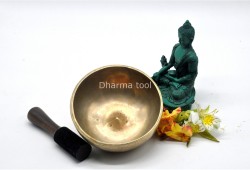
Antique Thadobati 7 Chakra Singing Bowl Set – Professionally Selected This Antique Thadobati 7 Chakra Singing Bowl Set is a professionally curated ..
from
$649.99
Ex Tax:$649.99
Add to Cart
Stock: In Stock
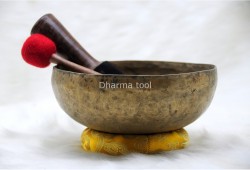
Old Collected Lingam Singing Bowl – Rare Antique Himalayan Sound Bowl This Old Collected Lingam Singing Bowl is one of the rarest and most sacred s..
from
$214.99
Ex Tax:$214.99
Add to Cart
Stock: In Stock
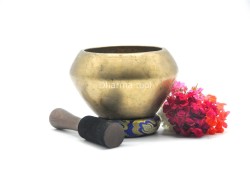
Old Collected Manipuri Singing Bowl – Antique Himalayan Sound Bowl This Old Collected Manipuri Singing Bowl is an authentic antique piece sourced f..
from
$159.99
Ex Tax:$159.99
Add to Cart
Stock: In Stock
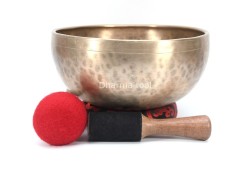
Old Collected Goalbati Buddha Singing Bowl – Antique Himalayan Sound Bowl This Old Collected Goalbati Buddha Singing Bowl is a rare antique piece s..
from
$164.99
Ex Tax:$164.99
Add to Cart
Stock: In Stock
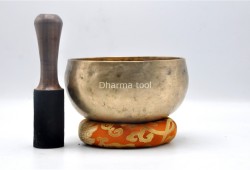
Old Collected Jambati Singing Bowl – Antique Himalayan Sound Bowl This Old Collected Jambati Singing Bowl is an authentic antique piece sourced dir..
from
$564.99
Ex Tax:$564.99
Add to Cart
Stock: In Stock
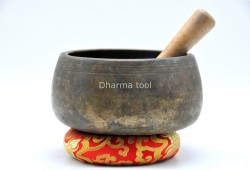
Old Collected Koprebati Singing Bowl – Antique Himalayan Sound Bowl This Old Collected Koprebati Singing Bowl is an authentic antique piece sourced..
from
$149.99
Ex Tax:$149.99
Add to Cart
Stock: In Stock
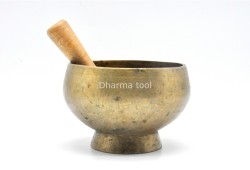
Old Collected Mani Singing Bowl – Antique Himalayan Sound Bowl This Old Collected Mani Singing Bowl is a genuine antique piece sourced from the Him..
from
$184.99
Ex Tax:$184.99
Add to Cart
Stock: In Stock
Old Collected Naga Pedestal Singing Bowl – Himalayan Antique Bowl with Stand This Old Collected Naga Pedestal Singing Bowl is a genuine antique pie..
from
$184.99
Ex Tax:$184.99
Add to Cart
Stock: In Stock
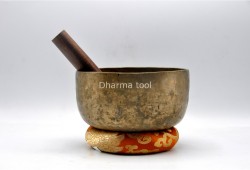
Old Collected Thadobati Cup Singing Bowl – Small Antique Himalayan Bowl This Old Collected Thadobati Cup Singing Bowl is an authentic antique piece..
from
$74.99
Ex Tax:$74.99
Add to Cart
Stock: In Stock
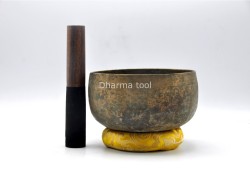
Old Collected Thadobati Singing Bowl – Antique Himalayan Sound Bowl This Old Collected Thadobati Singing Bowl is an authentic antique piece sourced..
from
$119.99
Ex Tax:$119.99
Add to Cart
Stock: In Stock
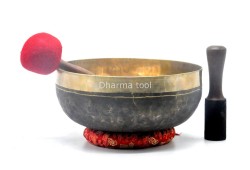
Old Collected Remuna Singing Bowl – Antique Himalayan Sound Bowl This Old Collected Remuna Singing Bowl is an authentic antique piece sourced from ..
from
$159.99
Ex Tax:$159.99
Add to Cart
Stock: In Stock
About Ultabati Singing Bowls Ultabati Singing Bowls are one of the deepest-toned and most powerful bowl types found in the Himalayan region. Known ..
from
$189.99
Ex Tax:$189.99
Showing 1 to 12 of 12 (1 Pages)
Product Filter