




Understanding the Differences Between Traditional Metal and Crystal Singing Bowls
Singing bowls have been used for generations to support meditation, prayer, yoga, stress relief, and deep relaxation. When struck or played with a mallet, they create soothing tones and gentle vibrations that many people find calming, focusing, and grounding.
Traditionally, singing bowls are associated with the Himalayan regions (including Nepal and Tibet) and are made from metal alloys, shaped by skilled artisans through hand-hammering. In more recent decades, modern crystal singing bowls—made from high-purity quartz—have become popular in sound baths, yoga studios, and wellness spaces worldwide.
This Dharma Tool guide compares traditional metal singing bowls and modern crystal bowls across origin, materials, sound, vibration, durability, cost, and best-use cases—so you can choose the bowl style that matches your intention.
Origins and Cultural Development
Traditional Metal Singing Bowls
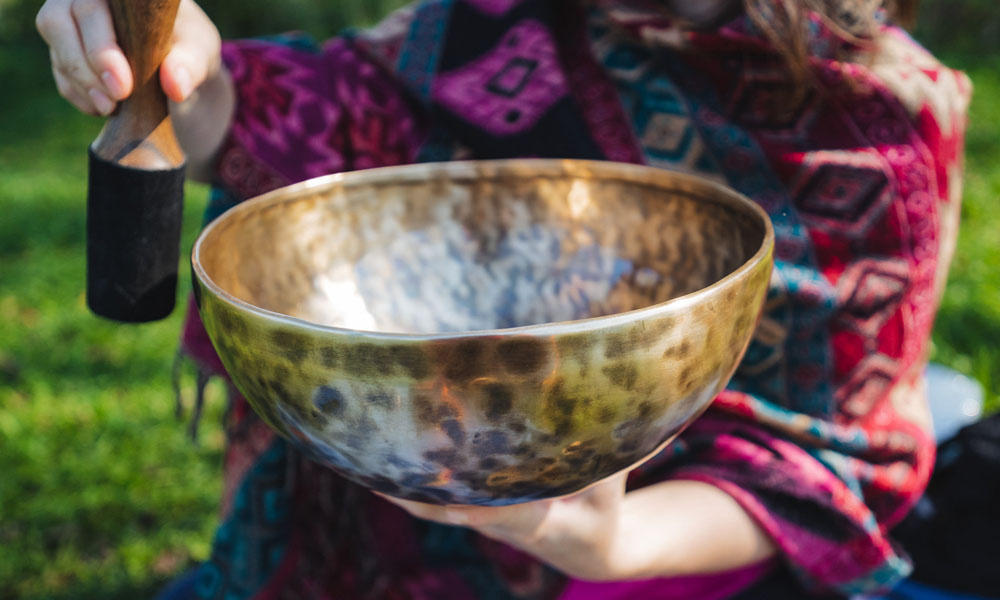
Traditional metal singing bowls are widely associated with Himalayan spiritual culture and are commonly linked with Nepal, Tibet, Bhutan, and northern India. For centuries, they have been used by monks and spiritual practitioners as supportive tools for mindfulness, ritual practice, and concentration.
Over time, their use expanded beyond temples and monasteries. Today, traditional metal singing bowls are used globally in meditation sessions, yoga studios, therapeutic practices, and personal relaxation rituals—valued for their warm tones, rich overtones, and handmade character.
Modern Crystal Singing Bowls

Crystal singing bowls are a relatively modern development that grew in popularity alongside contemporary wellness and sound therapy, especially from the 20th century onward. Made from refined quartz crystal, they are produced using industrial processes rather than traditional hand-craft methods.
They’re now widely used in sound baths, yoga and meditation spaces, and chakra-focused sessions—often chosen for their strong projection, long sustain, and consistent tuning.
Materials and Craftsmanship
Traditional Metal Singing Bowls
Traditional metal bowls are commonly made from multi-metal alloys, often combining metals such as copper, tin, zinc, iron, and sometimes small traces of precious metals depending on regional tradition and artisan practice. The bowl is formed through casting and then repeatedly hand-hammered to shape and refine thickness, tone, and resonance.
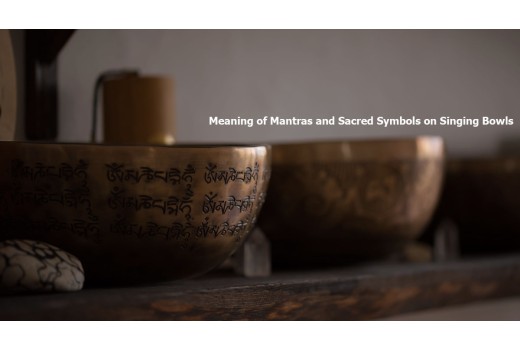
After shaping, bowls may be polished and decorated with spiritual motifs, mantras, or symbolic designs. Because each bowl is handmade, every piece develops its own voice—no two traditional metal bowls sound exactly the same.
Modern Crystal Singing Bowls
Crystal bowls are made from high-purity quartz crystal. The manufacturing process typically involves refining the quartz, melting it at very high temperature, molding it into a bowl shape, and then cooling (annealing) the bowl to reduce stress and prevent cracking.
The bowl is then trimmed and finished for precision tuning to specific notes and frequencies. Crystal bowls are known for consistent sound quality and uniform tuning—especially compared to handcrafted metal bowls.
Sound Profile and Resonance Quality
Traditional Metal Singing Bowls
Traditional metal bowls are known for warm, complex sound. When played, they often produce layered tones and multiple overtones that bloom and fade gradually. This creates an organic, textured resonance that many people describe as grounding and deeply calming.
In general, larger bowls produce deeper, lower tones, while smaller bowls tend to produce higher tones. Because each bowl is handmade, subtle differences in thickness and shape affect sustain, tone color, and overtone structure.
Modern Crystal Singing Bowls
Crystal bowls produce clear, strong, and consistent tones with long sustain. Compared to metal bowls, they typically generate fewer complex overtones and instead deliver a smoother, purer sound profile.
Many practitioners like crystal bowls for spacious sound baths and studio environments where strong projection and long-lasting resonance are desired.
Vibrational Experience and Physical Sensation
Traditional Metal Singing Bowls
Traditional Himalayan bowls produce grounding vibrations that can feel slow, deep, and gently pulsating. Because the metal is hand-hammered and the alloy resonance is complex, the vibration pattern can feel layered—often described as natural, earthy, and calming.
Many people enjoy placing a metal bowl near or on the body (when safe and appropriate) because the vibration can be felt physically as a soft hum.
Modern Crystal Singing Bowls
Crystal bowls produce clean, focused vibrations that can feel more direct and “bright.” The vibration is often perceived as fast, uniform, and expansive—especially in a quiet space where the tone can carry for a long time.
Because crystal bowls are often tuned precisely, many users experience them as energizing and uplifting, particularly during group sound baths or chakra-focused sessions.
Therapeutic and Wellness Applications
Traditional Metal Singing Bowls
Metal singing bowls are widely used to support relaxation, meditation, yoga, mindfulness, and sound therapy. Historically, they were associated with spiritual and ritual practice, but today they’re common in wellness settings and personal practice.
Their warm, layered sound is often chosen for grounding sessions, breathwork support, and general calming routines.
Modern Crystal Singing Bowls
Crystal bowls are popular in contemporary wellness practices such as sound baths, holistic therapy sessions, yoga studios, and frequency-focused practices. Their clear tone and long sustain can create an immersive sound environment, which many practitioners use to support deep rest and mindful presence.
They’re especially common in sessions that focus on specific notes or structured soundscapes.
Durability, Maintenance, and Practical Use
Traditional Metal Singing Bowls
Metal bowls are durable and travel-friendly. With basic care—regular cleaning and occasional polishing—they can last for decades and, in many cases, much longer. They’re less fragile and easier to transport for practitioners who travel between sessions.
Modern Crystal Singing Bowls
Crystal bowls are more fragile and can chip, crack, or break if dropped or struck too hard. They typically require careful handling and protective storage (such as padded cases). In studio environments, they’re often treated as delicate instruments rather than everyday tools.
Choosing the Right Bowl for Your Practice
If you want a bowl with deep cultural heritage, organic sound texture, and long-lasting durability, traditional metal singing bowls are an excellent choice. They’re versatile, portable, and suitable for almost any practice—whether you’re a beginner or an experienced practitioner.
If your priority is clear, long-sustaining tones with consistent tuning—especially for studio sound baths or chakra-themed practice—modern crystal bowls may be a better fit. They offer strong projection and a sleek, modern aesthetic, but require careful handling.
Ultimately, your choice depends on your intention: grounding and tradition versus precision and modern sound design. Both can be valuable tools for meditation, relaxation, and mindful living when used consistently and with realistic expectations.
Explore Our Handmade Tibetan Singing Bowls
Experience the authentic sound of traditional Himalayan craftsmanship. Our handmade Tibetan singing bowls are carefully crafted by skilled artisans using time-honored techniques, producing warm, grounding tones ideal for meditation, relaxation, yoga, and sound healing.
Each bowl carries its own unique resonance and character, making it a meaningful addition to your spiritual or wellness practice.
Shop Handmade Singing BowlsCreate Your Custom Singing Bowl
Looking for a personalized singing bowl? We offer custom engraving options, size selection, and sound preferences to help you create a bowl that reflects your intention and spiritual journey.
Whether for meditation, gifting, or ceremonial use, our custom singing bowls are handcrafted with care and attention to detail.
Request a Custom Singing Bowl