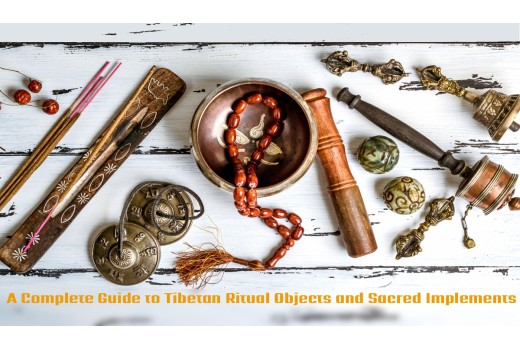





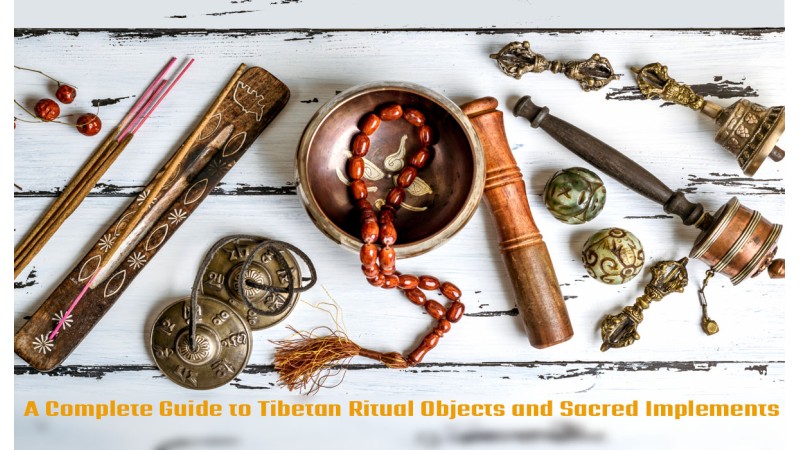
What Are Dharma Tools? A Complete Guide to Tibetan Ritual Objects and Sacred Implements

Dharma tools are traditional ritual objects used in Tibetan Buddhism, Vajrayana practice, and Bon traditions to support meditation, devotion, offerings, sound, and ceremonial life. These tools are not symbolic decorations or cultural curiosities. They are functional spiritual instruments developed over centuries to help practitioners cultivate awareness, compassion, wisdom, and discipline.
In Tibetan culture, spiritual practice is woven into daily life. Dharma tools bring structure, intention, and sacred meaning to both formal rituals and everyday moments. Understanding what these tools are—and how they are traditionally used—allows practitioners to engage with them respectfully and authentically.
The Meaning of Dharma and the Role of Ritual Tools
The word Dharma broadly means truth, natural law, or the path that leads away from suffering. In Buddhism, Dharma refers to the teachings of the Buddha and the practical methods used to realize wisdom and compassion.
Dharma tools do not replace meditation or ethical living. Instead, they serve as physical supports that help focus the mind, mark sacred time, and transform ordinary actions—such as lighting a lamp, offering water, or striking a bell—into conscious spiritual practice.
I. Tantric & Meditative Implements
These implements are used directly in meditation, mantra recitation, deity visualization, and Vajrayana rituals. Many carry deep symbolic meaning and should be approached with understanding.
Vajra & Bell (Dorje & Drilbu)
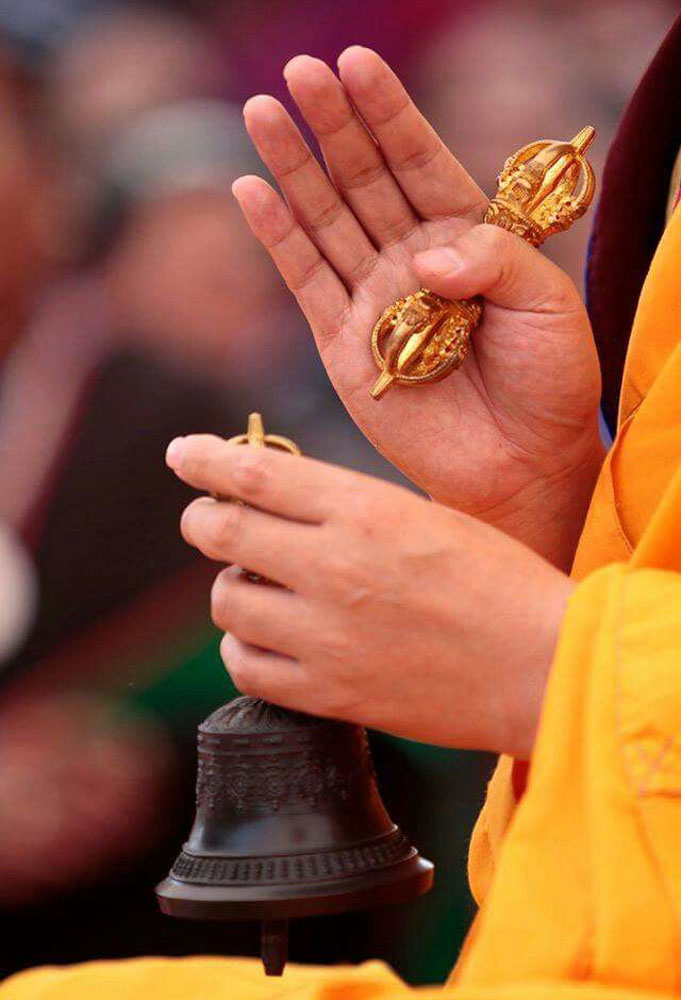
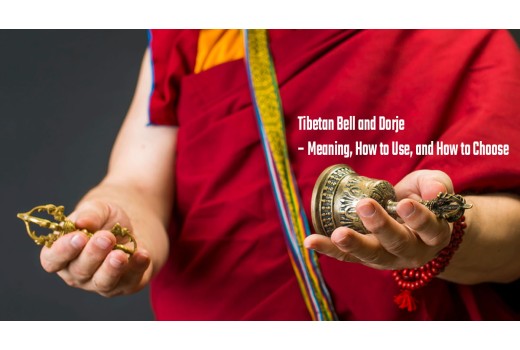
The vajra and bell are the most essential ritual implements in Vajrayana Buddhism, used together in tantric ceremonies, deity yoga, and advanced meditation practices. The vajra, traditionally held in the right hand, represents skillful means, active compassion, focused intention, and the indestructible clarity of awakened awareness. Its diamond-like symbolism reflects a mind that cannot be broken by ignorance, fear, or illusion.
The bell, held in the left hand, symbolizes wisdom, emptiness, and the direct realization of ultimate truth. Its hollow form and resonant sound remind the practitioner that all phenomena are empty of inherent existence, yet vividly present. The sound of the bell is not merely auditory; it serves as a contemplative tool that draws awareness into the present moment and dissolves conceptual thought.
When used together in ritual movement, mantra recitation, and mudra, the vajra and bell express the inseparable union of compassion and wisdom—considered the very foundation of enlightenment in Vajrayana tradition. Their synchronized use teaches that compassion without wisdom becomes attachment, while wisdom without compassion becomes detachment. True realization arises only when both are perfectly balanced and unified.
In ceremonial practice, the coordinated motion of the vajra and bell trains the practitioner to embody this unity in both meditation and daily life. They are not symbolic objects alone, but functional instruments designed to align body, speech, and mind with awakened awareness, guiding the practitioner toward insight, ethical action, and spiritual maturity.
Phurba (Kīla) / Phurbu – Often Called Khanjara
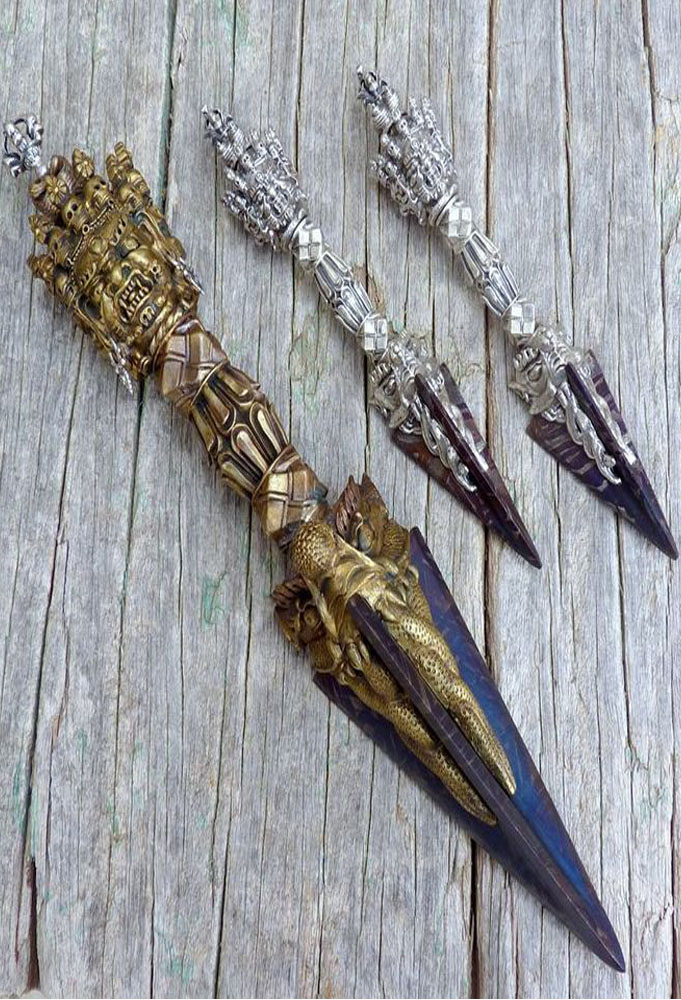
The phurba is a three-sided ritual dagger deeply associated with Vajrakilaya practices in Vajrayana Buddhism. It is a sacred implement used symbolically to “pin down” obstacles such as ignorance, fear, harmful emotions, ego fixation, and negative influences that obstruct spiritual realization. Each of its three blades represents the transformation of the three root poisons—ignorance, attachment, and aversion—into enlightened awareness.
Despite its dagger-like appearance, the phurba is not a weapon and is never intended for physical use. Its sharp, pointed form symbolizes decisive clarity, unwavering focus, and the penetrating insight required to cut through delusion. Rather than harming, the phurba represents the power to stabilize the mind, subdue inner disturbances, and establish a firm foundation for awakened understanding.
Traditionally, the phurba is placed on an altar, used in ritual visualization, or employed under the guidance of a qualified teacher during specific ceremonies. Its function is entirely inward, emphasizing transformation of mental patterns rather than external action. Through its presence and ritual use, the phurba reminds practitioners that liberation comes from mastering the mind, confronting obstacles directly, and transforming destructive tendencies into wisdom and compassion.
Kapala & Kartika (Skull Cup and Flaying Knife)
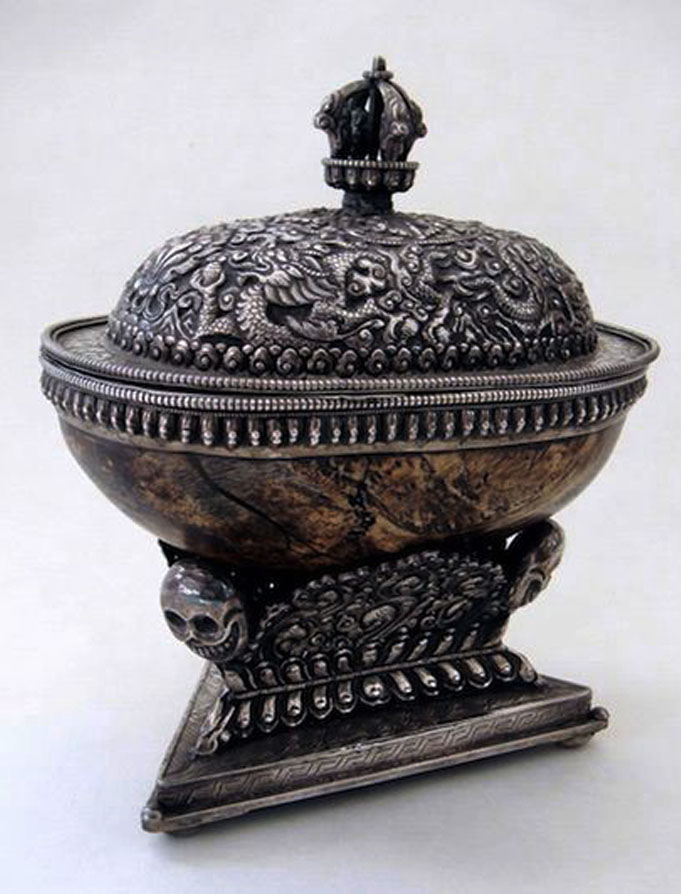
The kapala is a ritual offering vessel that symbolizes impermanence, non-attachment, and the profound transformation of desire into wisdom. Traditionally associated with advanced Vajrayana practices, the kapala serves as a reminder that all conditioned existence is transient, and that liberation arises when attachment to form, identity, and craving is fully released. In ritual symbolism, it represents the offering of the ego itself—transformed rather than rejected.
The kartika, a curved ritual knife often depicted with a vajra handle, represents the decisive cutting away of ego, ignorance, and self-clinging. Its inward-curving blade signifies the turning of awareness back upon itself, severing delusion at its root. Rather than an instrument of harm, the kartika embodies sharp insight, fearless clarity, and the uncompromising nature of awakened wisdom.
These implements frequently appear together in wrathful deity iconography, emphasizing that compassion in Vajrayana Buddhism is not always gentle in appearance. When confronting deep-seated delusion and habitual patterns, compassionate action may take fierce and transformative forms. As part of advanced Vajrayana symbolism, the kapala and kartika are treated with great reverence, serving as powerful reminders that true liberation requires both wisdom and the courage to confront the self directly.
Damaru
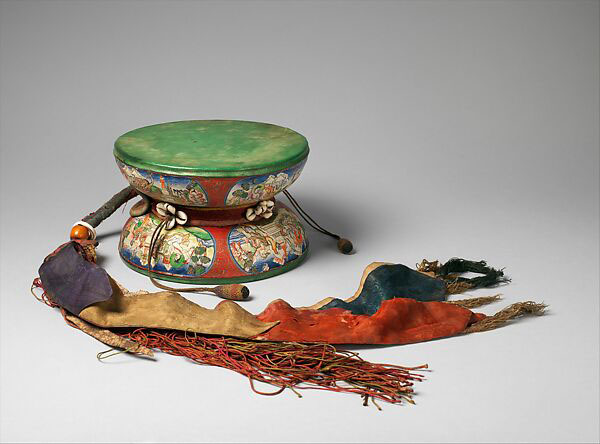
The damaru is a small hourglass-shaped ritual drum used in Vajrayana chanting, ceremony, and mantra recitation. Its rhythmic sound supports concentration, helping practitioners maintain steady awareness while coordinating breath, visualization, and spoken mantra during ritual practice.
Symbolically, the damaru represents impermanence and the dynamic flow of experience. The alternating beats reflect the arising and dissolving of phenomena, reminding the practitioner that nothing remains fixed and that clarity is strengthened through mindful engagement with change. In many lineages, the damaru is also understood as an offering of sound—one of the most subtle offerings—given with devotion and pure intention.
Used respectfully and with purpose, the damaru trains the mind to stay present within rhythm, transforming sound from a sensory event into a direct support for meditation and spiritual stability.
Mala Beads (Trengwa)
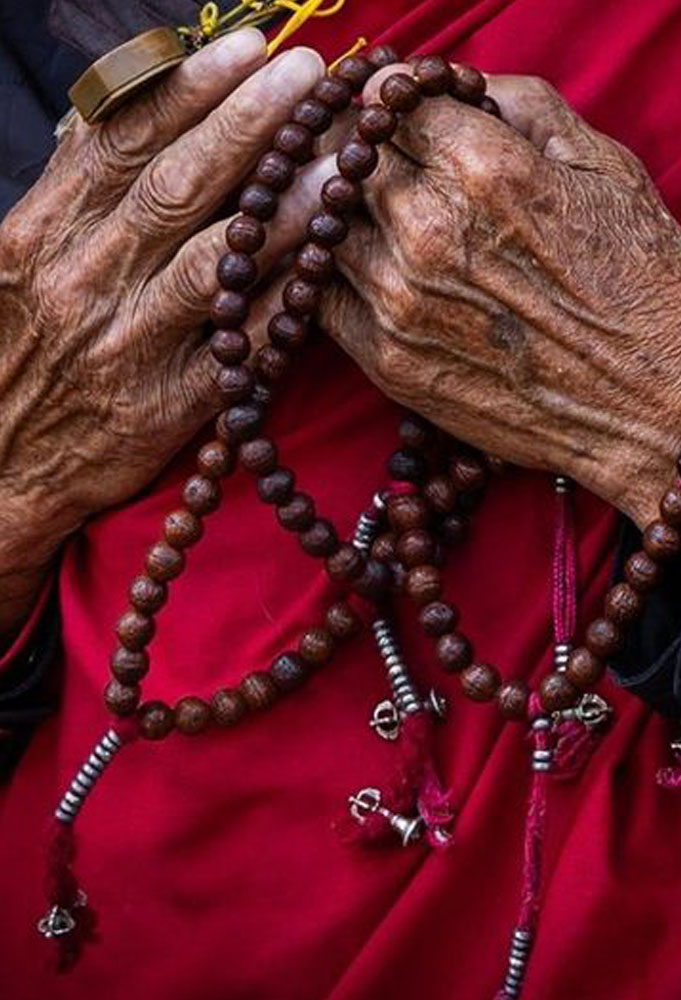
Mala beads, traditionally consisting of 108 beads, are used to count mantra recitations and prayer cycles. They provide structure and rhythm, allowing the practitioner to focus fully on intention and awareness without becoming distracted by keeping track of numbers.
Beyond counting, malas serve as tactile anchors that steady attention. Moving bead by bead reinforces discipline, patience, and continuity, turning repeated recitation into a consistent spiritual training. The circular form of the mala also symbolizes the unbroken continuity of the path—practice returning again and again to clarity and compassion.
Over time, mala beads become deeply personal spiritual companions. When treated with respect and used regularly, they carry accumulated intention, devotion, and steady effort rather than serving as decorative accessories.
Tingsha Cymbals
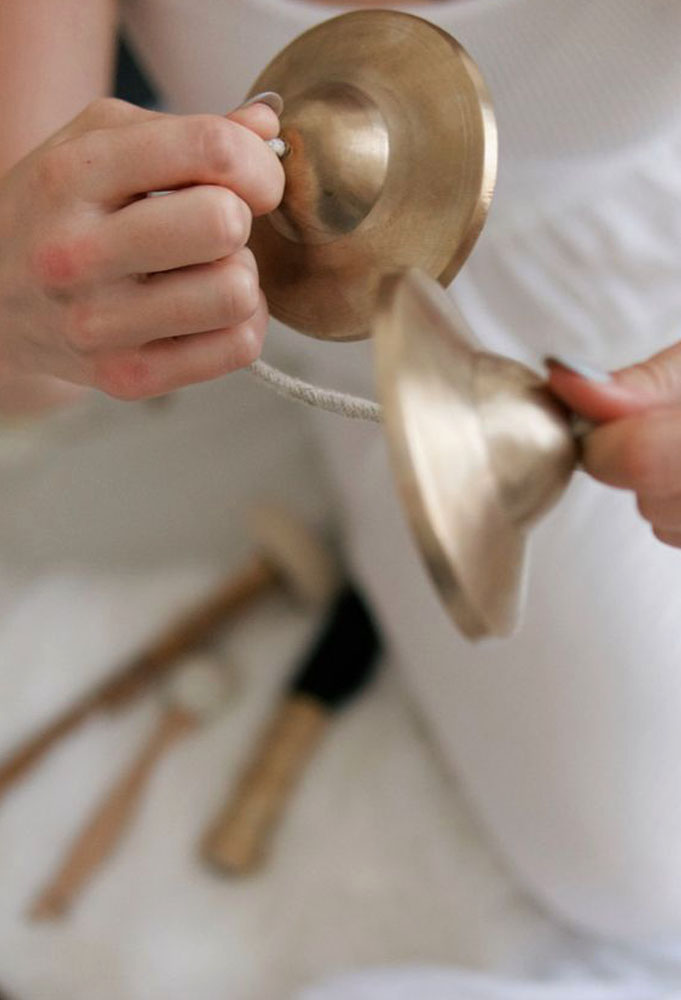
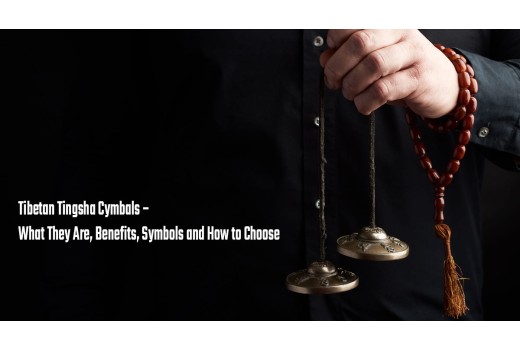
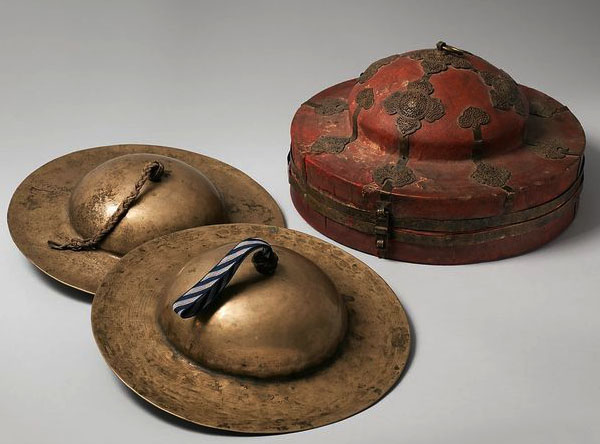
Tingsha are small hand-held cymbals connected by a strap and struck together to produce a clear, focused tone. They are commonly used to mark the beginning and end of meditation sessions, prayer cycles, or ritual sequences, helping establish a sense of sacred timing and mindful transition.
Their sharp, penetrating sound cuts through mental noise and brings attention into the present moment. Unlike musical cymbals, tingsha are not meant for performance. Their function is to interrupt distraction and reestablish clarity, acting as a sound cue that resets awareness.
In many traditions, tingsha are also used to prepare a space energetically before practice begins. Their tone encourages stillness and focus, creating an atmosphere that supports calm attention rather than scattered thought.
Singing Bowls
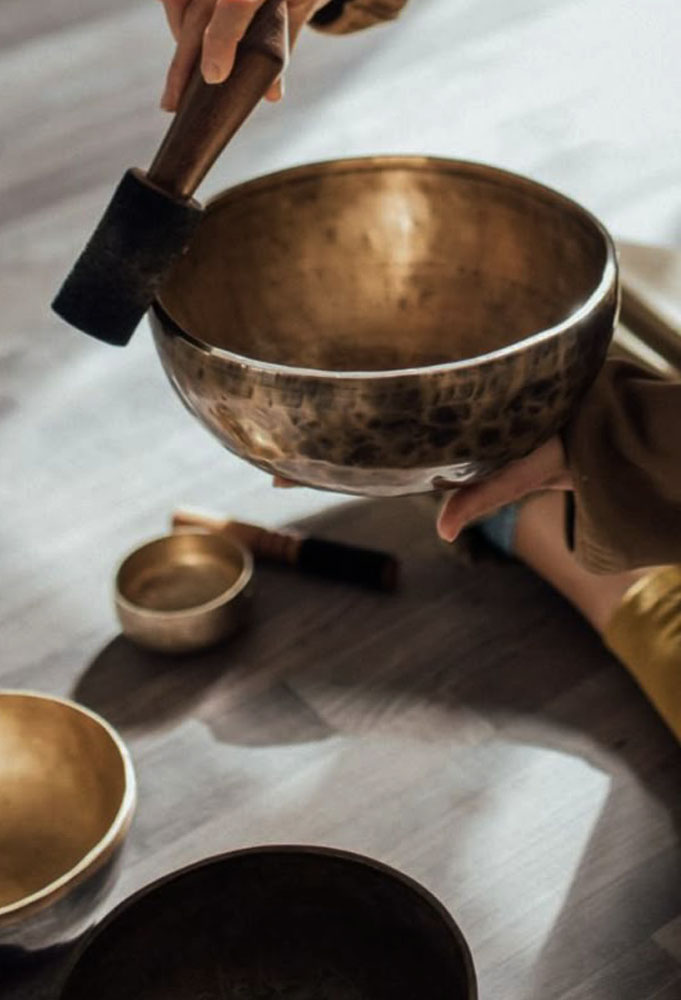
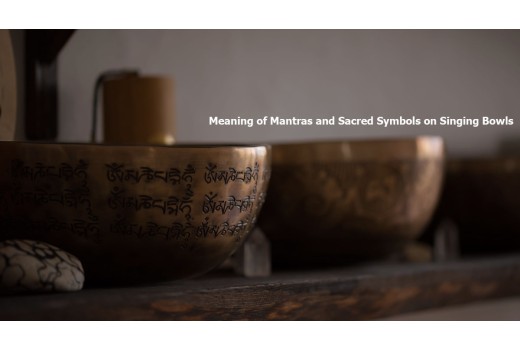
Singing bowls are widely used in modern meditation, mindfulness, and sound-based practices across the Himalayan cultural world. When struck or played by circling the rim with a mallet, they produce sustained tones and layered overtones that help settle attention, slow the breath, and encourage a calm, grounded state of mind.
Although not central to all classical monastic rituals, singing bowls are part of broader Tibetan and Himalayan spiritual culture. They are valued for their ability to support contemplative awareness by providing a steady sonic focus—something the mind can rest on without strain or forcing.
Used mindfully, singing bowls function as sound supports rather than entertainment instruments. Their purpose is to guide awareness inward, soften mental agitation, and create an environment where stillness and presence can arise naturally.
Gau (Prayer Box / Portable Shrine)
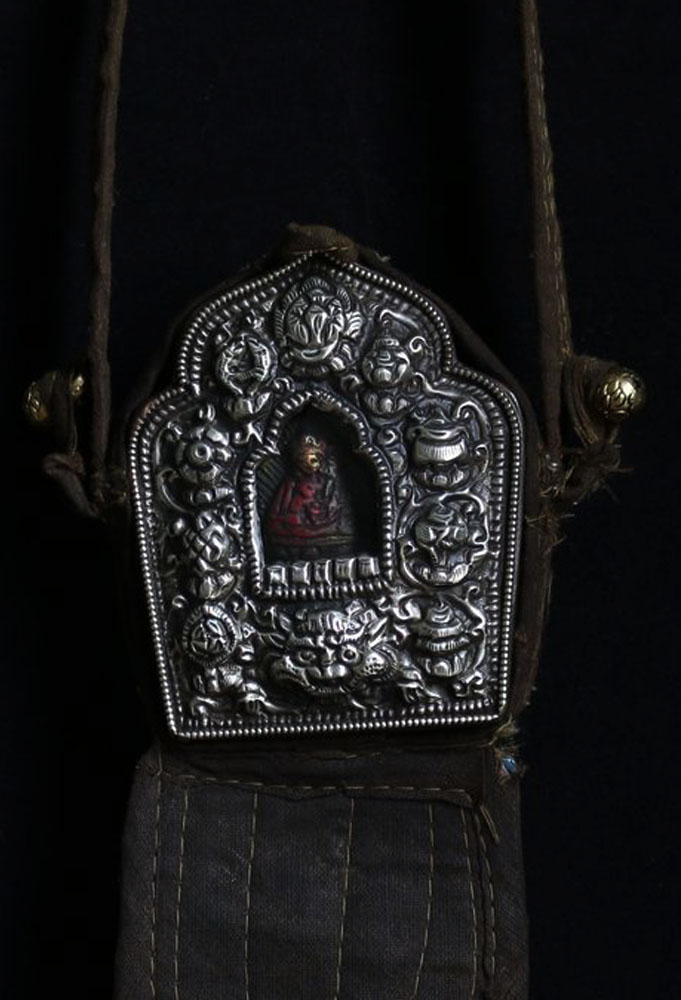
A Gau is a sacred container worn as a pendant or placed on an altar, serving as a portable shrine. It may hold mantras, relics, sacred images, blessed substances, or protective prayers, carried close to the body as a constant reminder of refuge and spiritual commitment.
Traditionally, the gau represents protection, devotion, and the continuity of practice beyond formal rituals. Its purpose is not decoration, but remembrance—keeping the practitioner aligned with intention, ethical living, and reverence for the teachings.
Because of its spiritual role, a gau is treated with respect and kept clean, stored thoughtfully, and handled mindfully. In this way, it becomes a living object of practice, supporting awareness wherever the practitioner goes.
Temple Chimes
Temple chimes are hanging metal chimes commonly placed at entrances, near altars, or within meditation spaces. Their gentle sound may be activated by movement, a soft strike, or natural airflow, producing tones that feel calm, spacious, and unobtrusive.
Rather than calling attention loudly, temple chimes function as subtle reminders of presence and impermanence. Their sound marks transitions—entering a sacred space, shifting from ordinary activity into practice, or returning attention to the present moment when the mind drifts.
In this way, temple chimes support continuous mindfulness without disrupting silence. They help shape the atmosphere of a space into one that naturally encourages calm awareness and respectful intention.
II. Shrine & Offering Items
Offering practices cultivate generosity, humility, and gratitude. These tools form the foundation of daily altar practice in homes and monasteries.
Offering Bowls (Ting)
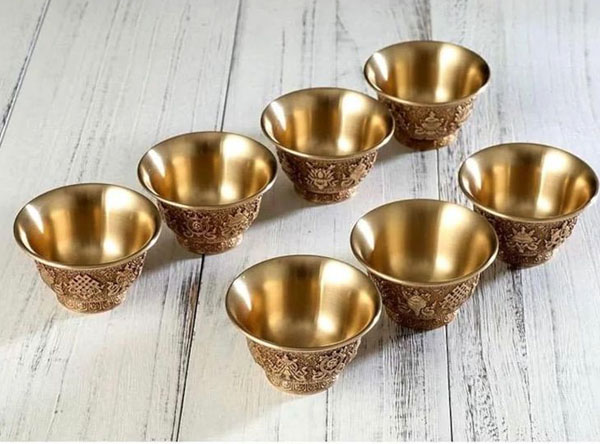
Offering bowls are typically arranged in sets of seven or eight on an altar, representing traditional offerings such as water, flowers, incense, light, perfume, food, and music. This daily practice is common in Tibetan Buddhist homes and monasteries, creating a consistent structure for devotion and mindful living.
Filled each day with care and intention, offering bowls train the practitioner in generosity without expectation. The offering is not about the material value of water or objects, but the inner act of giving—releasing grasping and cultivating gratitude and openness.
Over time, this simple ritual becomes a powerful discipline. It transforms ordinary actions into sacred practice and reinforces the mindset that spiritual growth is supported by humility, consistency, and sincere aspiration.
Butter Lamps (Chöme)
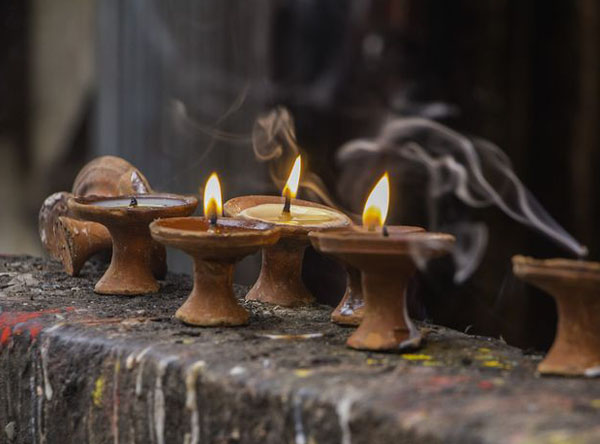
Butter lamps or oil lamps are light offerings symbolizing wisdom dispelling ignorance. Lighting a lamp is considered a meaningful act of devotion and aspiration, representing the wish that clarity, compassion, and understanding increase within oneself and throughout the world.
In Tibetan culture, the steady flame represents continuity and stable awareness. The lamp becomes a reminder to keep the “light of mindfulness” alive—especially when the mind is pulled toward distraction, fear, or negativity.
As a ritual action, the offering of light also encourages humility and dedication. It turns a simple flame into a symbol of awakening, reinforcing the intention to live with clarity and ethical responsibility.
Incense Burners & Sang Tools
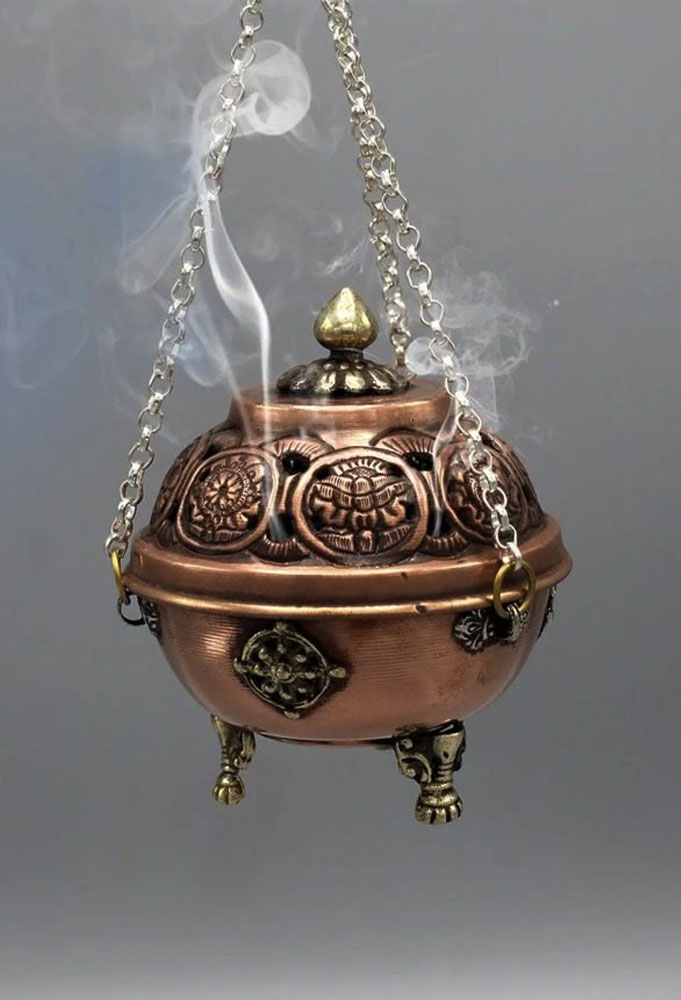
Incense burners are used to purify the environment and mind before meditation, prayer, or ritual practice. The act of lighting incense is traditionally approached as a mindful offering—creating a clean, respectful atmosphere while signaling a transition from ordinary activity into sacred attention.
Sang offerings often involve burning herbs, resins, or traditional aromatic materials as an act of cleansing and reverence. The rising smoke symbolizes the transformation of intention into subtle offering, carrying prayers outward while also helping the practitioner settle inwardly.
Used with calm awareness, incense and sang practices support clarity, devotion, and a sense of sacred space—reminding practitioners that spiritual practice begins with intention, respect, and inner steadiness.
Mandala Offering Set
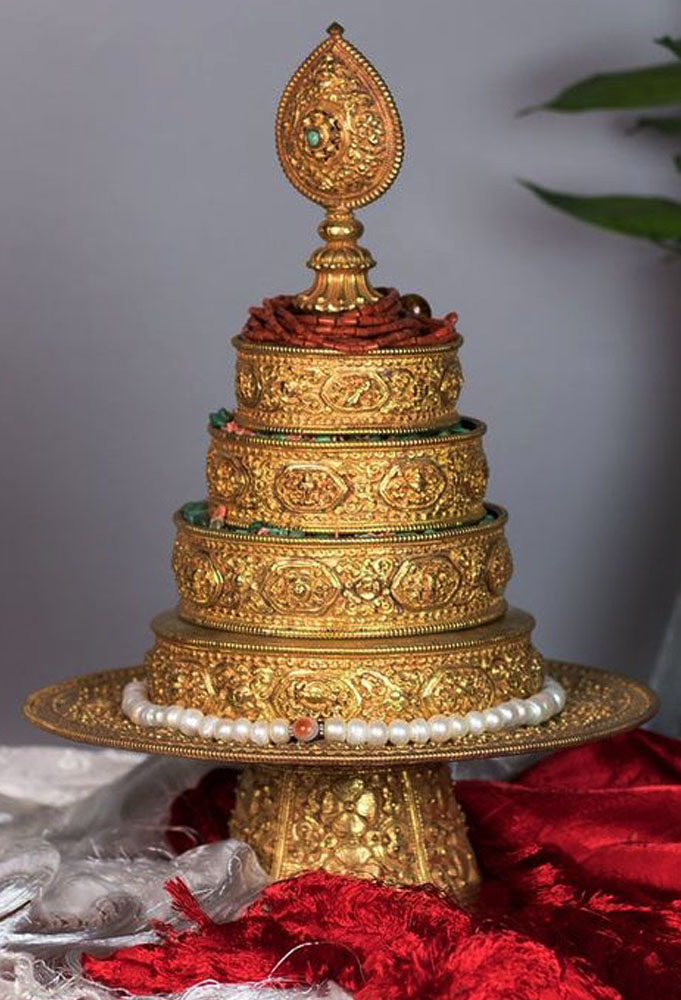
The mandala offering set represents the entire universe symbolically offered to the Three Jewels or to a spiritual teacher. Rather than offering only small objects, the practitioner trains the mind to offer everything—beauty, resources, success, and even personal identity—without grasping or resistance.
This practice cultivates deep generosity and non-attachment. By imagining the universe as an offering, the practitioner weakens possessiveness and strengthens dedication to awakening for the benefit of all beings.
Over time, mandala offering becomes a method of transforming desire into devotion. It trains the heart to release clinging and develop the spacious mindset that supports both compassion and wisdom.
Bumpa Vase
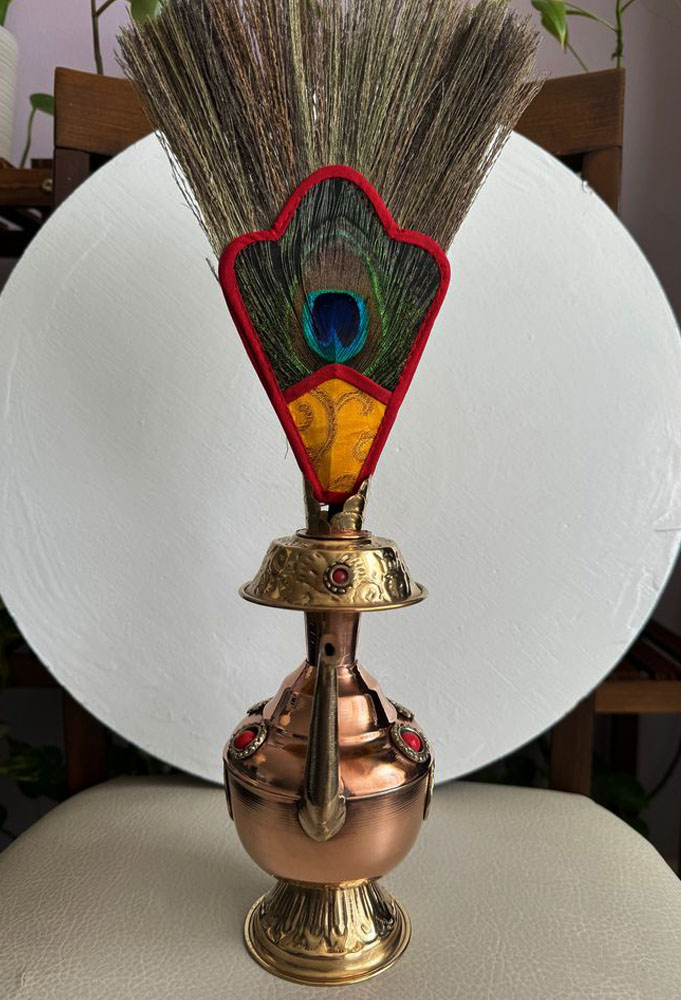
The bumpa is a sacred ritual vase filled with blessed water and used in empowerments, purification rites, healing ceremonies, and blessing practices. It functions as a ritual support for transmitting auspiciousness, cleansing obstacles, and reinforcing spiritual protection and well-being.
Symbolically, the bumpa represents abundance, vitality, and the “nectar of wisdom” that sustains spiritual life. The water is not treated as ordinary—it represents purity and the potential for renewal, both inwardly and outwardly.
In practice, the bumpa reminds practitioners that spiritual development is nourished by cleansing, ethical intention, and continued blessing. It stands as a ritual symbol of spiritual richness and life-supporting clarity.
Khata (Ceremonial Scarf)
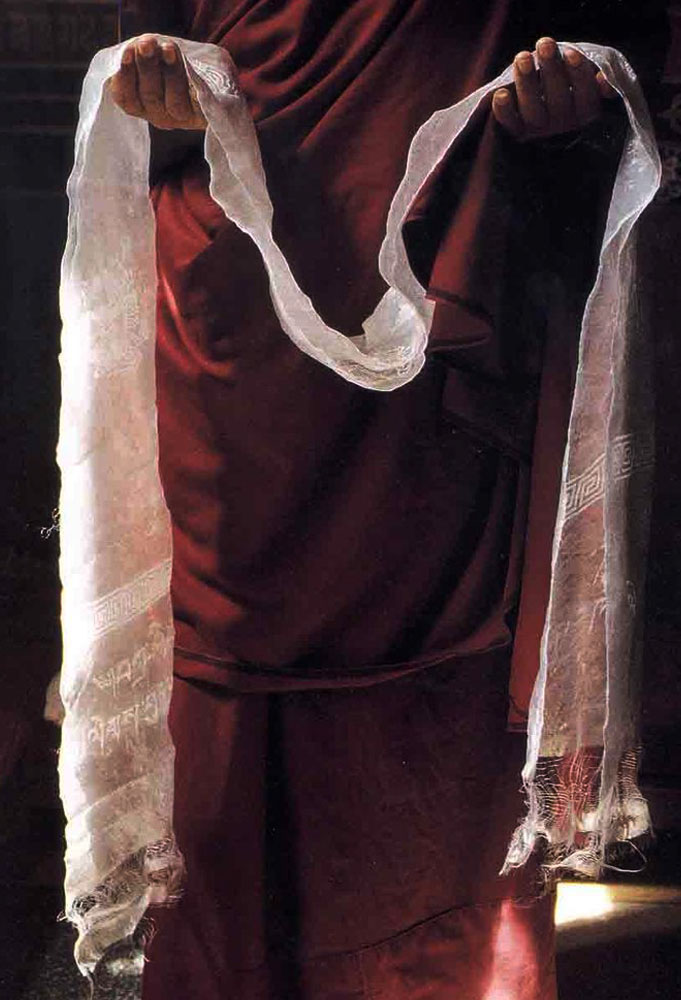
The khata is a ceremonial scarf offered as a gesture of respect, purity, and sincere intention. It is commonly presented during blessings, sacred meetings, ceremonies, and moments of gratitude—especially when approaching a teacher, receiving guidance, or honoring an important occasion.
Offering a khata expresses goodwill and openness, reinforcing harmonious relationships rooted in humility rather than ego. The act is not about formality, but about creating a respectful state of mind and acknowledging spiritual connection.
Because its meaning is devotional, the khata is treated thoughtfully and offered with calm presence. It becomes a simple but powerful practice of respect, generosity, and mindful relationship.
III. Community & Architectural Objects
Prayer Wheels (Khorlo)

Prayer wheels contain tightly rolled mantra scrolls, most commonly associated with compassion mantras such as Om Mani Padme Hum. Spinning them clockwise is traditionally understood as a way of continuously releasing prayers, blessings, and compassionate intention into the world.
Beyond symbolism, prayer wheels encourage steady remembrance of Dharma. The physical act of turning the wheel becomes a form of embodied practice—linking movement to intention and transforming daily life into spiritual continuity.
Used respectfully, prayer wheels are not shortcuts, but supports. They remind practitioners to cultivate compassion, generate merit through sincere aspiration, and return again and again to mindful intention.
Prayer Flags (Lungta)

Prayer flags are printed with mantras, symbols, and auspicious prayers, then hung outdoors so the wind carries blessings across the land. Their purpose is not decoration, but benefit—extending compassionate intention beyond oneself and into the environment.
As the flags fade over time, they also serve as visible teachings on impermanence. The gradual wear of the fabric symbolizes how everything changes, encouraging humility and non-attachment while reinforcing the aspiration that goodness continues to spread.
Traditionally, prayer flags represent the wish that all beings receive peace, health, protection, and clarity. Their presence in open air reflects the idea that compassion is meant to move outward, touching the world continuously.
Mani Stones
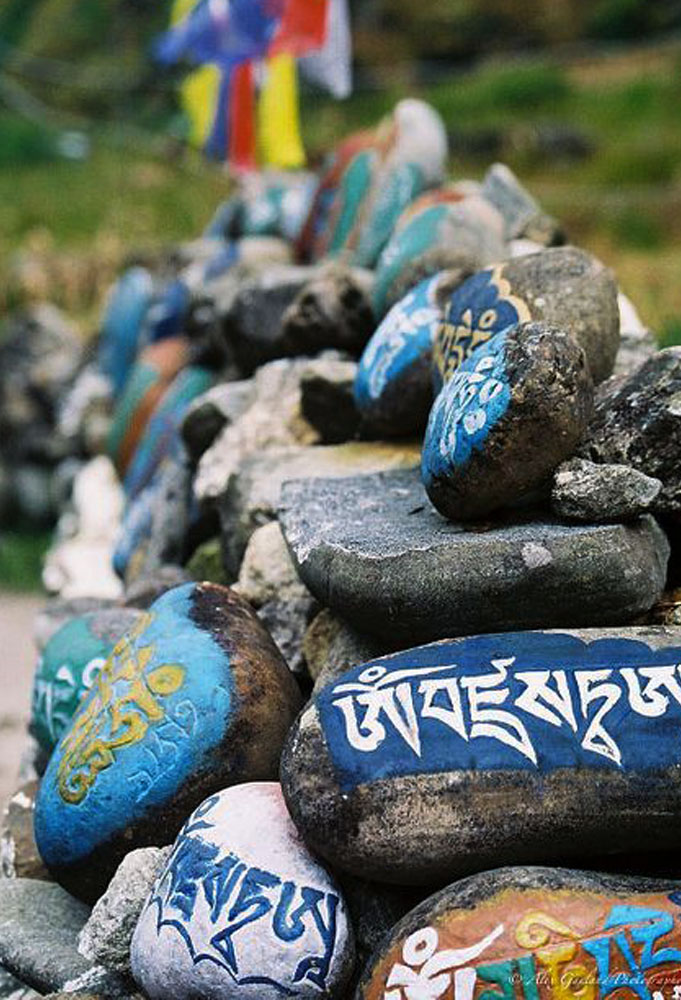
Mani stones are stones carved or inscribed with sacred mantras—most famously Om Mani Padme Hum—and placed along paths, rivers, stupas, and holy sites. They function as offerings embedded into the landscape, turning ordinary travel routes into spiritual reminders.
For practitioners and communities, mani stones represent compassion made visible. Seeing them encourages remembrance of the teachings, gentle reflection on intention, and the aspiration to benefit others in daily life.
Often arranged into mani walls, these stones also reflect collective devotion—many individuals contributing effort over time. In this way, mani stones symbolize both personal practice and communal continuity of compassion.
Stupas (Chortens)
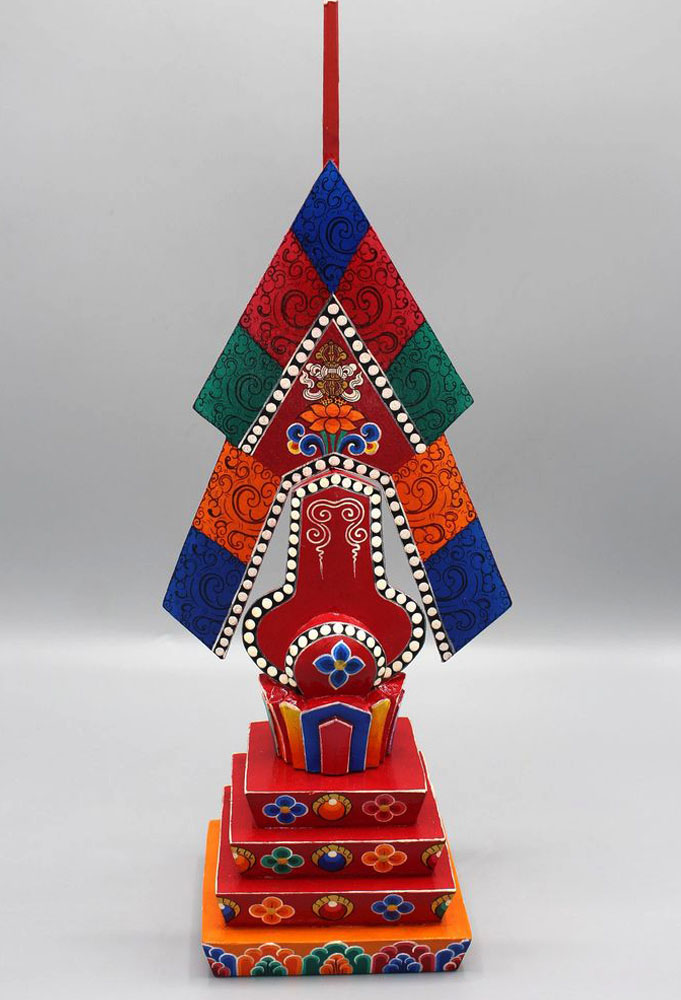
Stupas, also called chortens, are reliquary monuments that may contain sacred substances, relics, texts, or consecrated objects. They are not simply architectural structures—they represent the enlightened mind of the Buddha and the path to awakening expressed in physical form.
Walking around a stupa mindfully is traditionally considered a powerful practice. The circumambulation becomes moving meditation, strengthening devotion, reflection, and the accumulation of merit through respectful presence and intention.
Stupas also serve as communal centers of remembrance. They remind practitioners that enlightenment is a lived reality within tradition, preserved through devotion, ethical life, and continual aspiration toward wisdom and compassion.
Conch Shell (Dungkar)
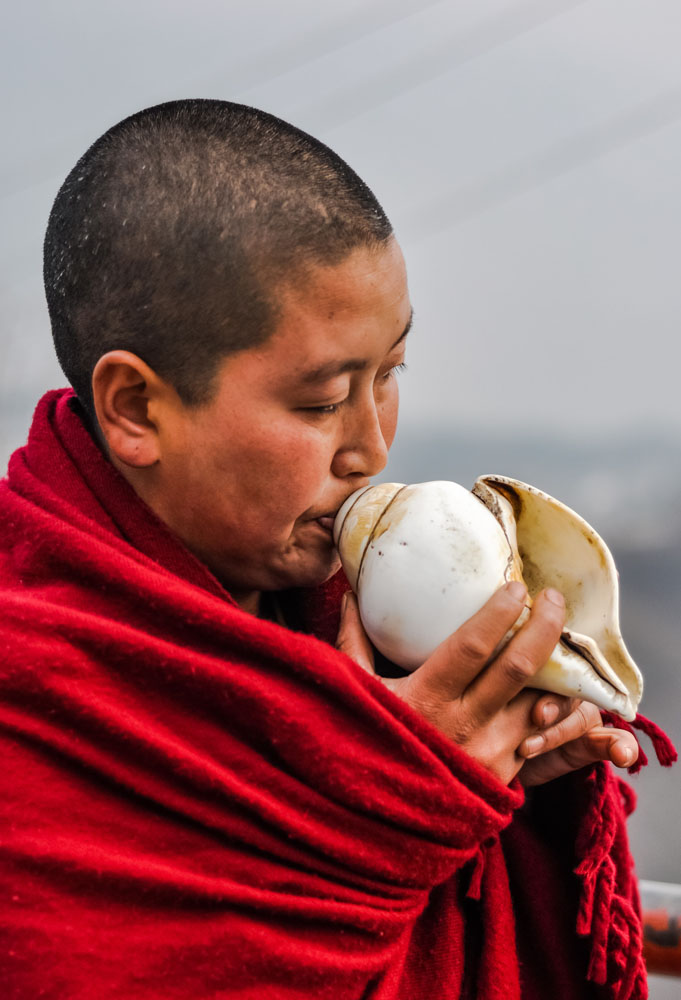
The right-spiraling conch shell is used as a trumpet in Buddhist ceremonial settings to summon assemblies and mark the beginning of ritual activity. Its powerful sound is traditionally understood as the “voice” that announces Dharma—awakening attention and gathering the community into shared purpose.
Symbolically, the conch represents the far-reaching call of truth, spreading in all directions without discrimination. Its resonance is associated with clarity, fearlessness, and the willingness to respond to the path rather than remain asleep in ignorance.
As a ritual instrument, the conch is treated with respect and used intentionally. Its sound is not meant to entertain, but to establish sacred time and remind practitioners that the teachings are meant to be heard, lived, and carried outward.
IV. The Eight Auspicious Symbols (Ashtamangala)
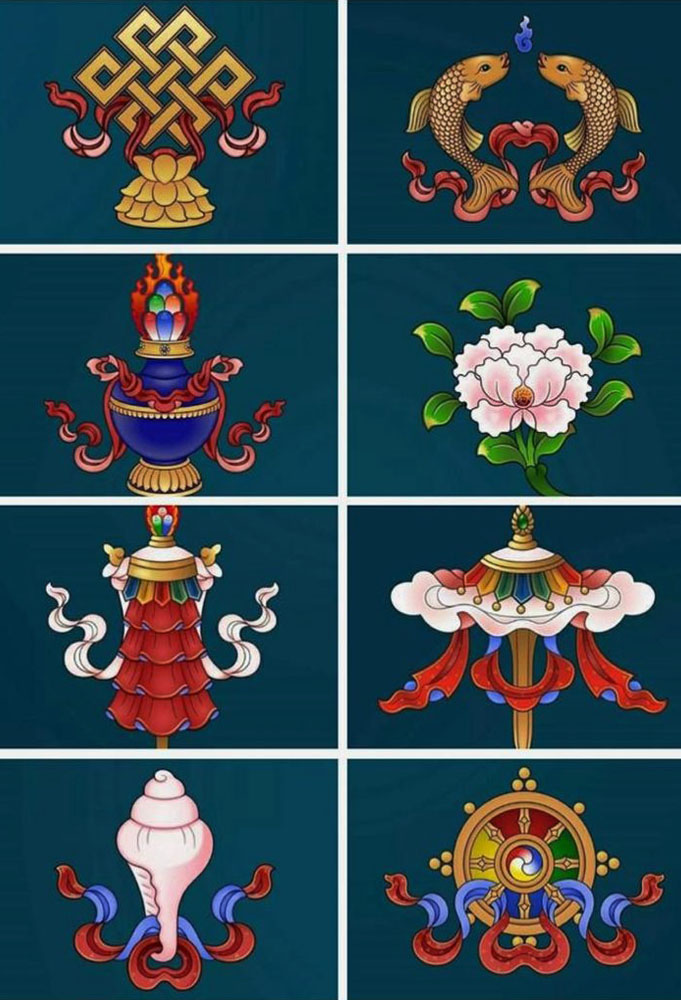
The Eight Auspicious Symbols appear throughout Tibetan art and ritual objects as visual teachings:
- Precious Parasol – protection and dignity
- Two Golden Fish – freedom and abundance
- Treasure Vase – spiritual and material fulfillment
- Lotus Flower – purity rising above attachment
- White Conch Shell – the sound of Dharma
- Endless Knot – interdependence of wisdom and compassion
- Victory Banner – triumph over ignorance
- Dharma Wheel – the Buddha’s teachings in motion
Final Reflection
Dharma tools are living expressions of spiritual tradition. Whether simple or elaborate, each tool exists to guide awareness inward and support ethical, mindful living.
Used with understanding and respect, Tibetan ritual objects become more than physical items—they become companions on the path of wisdom, compassion, and awakening.