




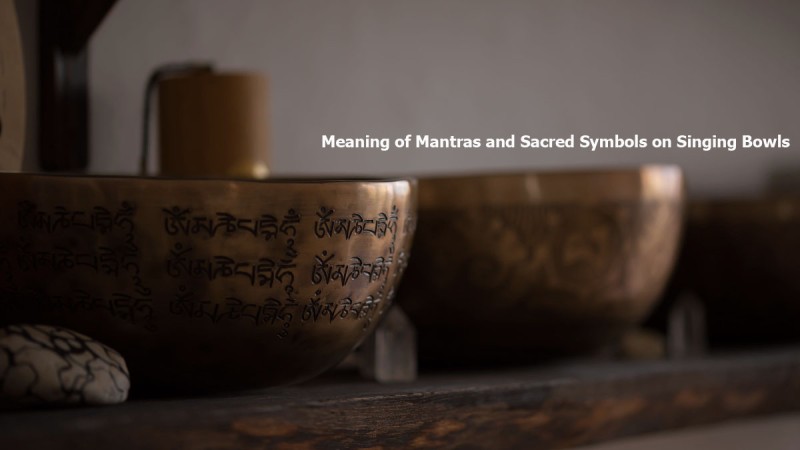
Meaning of Mantras and Sacred Symbols on Tibetan Singing Bowls
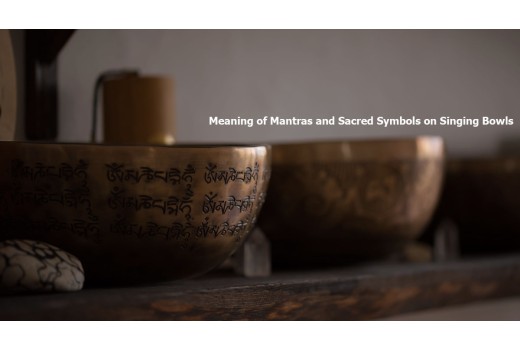
Tibetan singing bowls are known for their calming tone, deep vibration, and spiritual presence. But when you look closely at a handmade Tibetan singing bowl, you will notice more than just metal and sound. Many bowls feature mantras, mandalas, Buddha images, lotus patterns, Buddha footprints, Eyes of Buddha, fire motifs, and other sacred symbols engraved or etched into the surface.
These details are not there only for decoration. They carry meaning, intention, and spiritual identity. A Himalayan singing bowl already works through sound, but when combined with mantra and sacred symbols, it becomes something deeper. It becomes a meditation tool that connects sound, symbolism, and personal awareness.
Why Mantras and Symbols Matter on a Tibetan Singing Bowl
In Himalayan spiritual tradition, sound has long been connected with meditation, prayer, ritual, and inner focus. A Tibetan singing bowl creates vibration that helps calm the mind and settle attention. When sacred symbols or mantras are added, they bring visual meaning to that same experience.
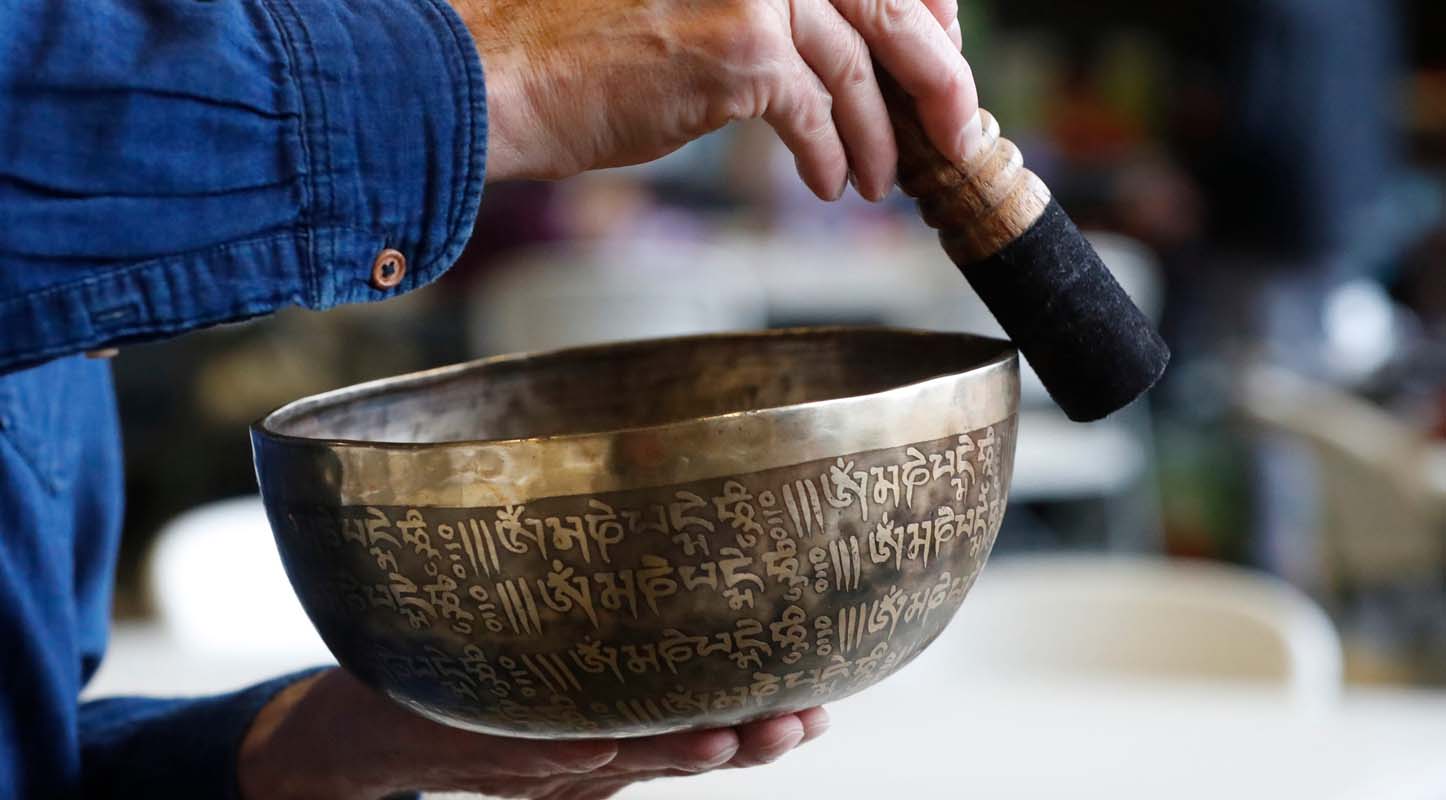
A singing bowl can therefore work in two ways. First, it works through sound and vibration. Second, it works through the symbol or mantra that the user sees and connects with. Together, these two elements create a more complete meditation experience.
This is why many people choose a Tibetan singing bowl not only for its note or sound quality, but also for the sacred meaning engraved on it.
What Is a Mantra on a Tibetan Singing Bowl?
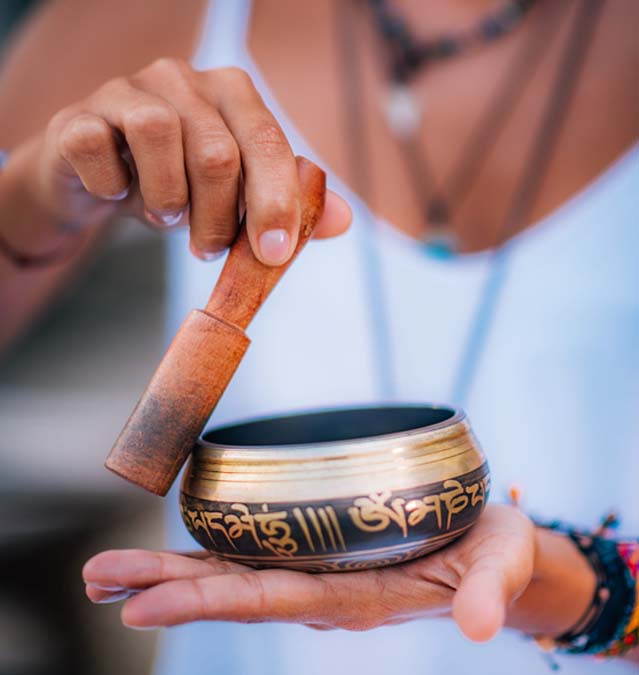
A mantra is a sacred word, phrase, or sound used in meditation and spiritual practice. In Buddhist and Himalayan traditions, mantras are repeated to focus the mind, support prayer, and bring intention into the present moment.
When a mantra is engraved on a Tibetan singing bowl, it becomes part of the bowl’s identity. It does not physically change the tone of the bowl, but it adds symbolic and spiritual meaning to the experience.
Om Mani Padme Hum
One of the most common mantras found on a Tibetan singing bowl is Om Mani Padme Hum. This mantra is deeply respected in Tibetan Buddhism and is often associated with compassion, wisdom, and inner transformation. That is why it appears so often on mantra carved singing bowls and Himalayan meditation bowls.
Looking for traditional mantra engraved bowls?
Browse bowls with Om, mandala, Buddha, and sacred symbol artwork in our carved collection.
Do Mantras Change the Sound?
No. The sound of a Tibetan singing bowl depends on its size, thickness, shape, metal composition, and craftsmanship. A mantra or symbol does not physically change the frequency or pitch of the bowl.
However, it does change something important: your connection to the bowl. When you understand the meaning of the mantra, the bowl feels more intentional and personal. It gives your attention somewhere to rest, which can deepen the meditation experience.
Common Sacred Symbols Found on Tibetan Singing Bowls
Not every Tibetan singing bowl features a written mantra. Many bowls instead include sacred symbols. These can represent peace, spiritual path, awareness, healing, balance, purity, transformation, and harmony. Some bowls feature one central symbol, while others combine several meaningful designs around the inside wall, outer wall, or base.
Buddha Image
A Buddha image on a Tibetan singing bowl represents peace, stillness, awareness, and spiritual awakening. A Buddha engraved singing bowl often feels calm and grounding, which is why many people choose this design for meditation and quiet spiritual practice.
Buddha Footprints
Buddha footprints symbolize the spiritual path, sacred presence, and the journey toward awareness. This design speaks of direction, growth, and devotion. It is especially meaningful for those who see meditation as a path they continue walking throughout life.
Eyes of Buddha
The Eyes of Buddha are a powerful Himalayan symbol associated with wisdom, mindfulness, and awakened awareness. On a Tibetan singing bowl, this design can remind the user to stay present, observant, and inwardly aware.
Mandala Designs
A mandala is a sacred geometric pattern that represents balance, harmony, wholeness, and the structure of the universe. Mandala carved singing bowls are popular because the design naturally draws the eye toward the center and supports meditation focus.
Fire Symbol
Fire on a singing bowl often represents transformation, energy, purification, and inner strength. A fire motif can make the bowl feel more dynamic and powerful, especially for people going through inner change, healing, or personal growth.
Om Symbol
The Om symbol is one of the most recognized sacred symbols in spiritual practice. It is often described as the universal sound or primordial vibration. Because a Tibetan singing bowl itself works through vibration, Om is one of the most natural and meaningful symbols to engrave on it.
Lotus Symbol
The lotus represents purity, spiritual growth, and rising above difficulty. A lotus singing bowl often feels soft, healing, and uplifting, making it a meaningful choice for meditation, emotional support, and mindful daily practice.
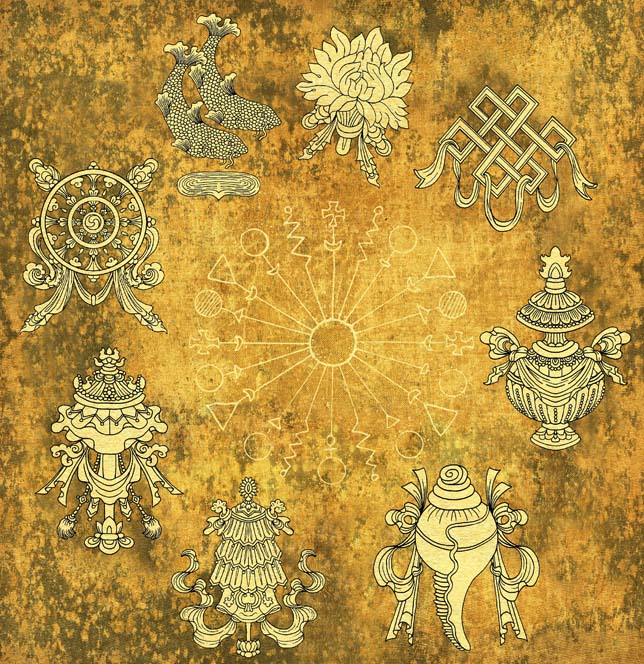
Eight Auspicious Symbols
Some Tibetan singing bowls feature the Eight Auspicious Symbols, also known as the Ashtamangala. These traditional Buddhist symbols represent blessings, protection, wisdom, harmony, and spiritual progress. Bowls with these symbols often feel richly traditional and spiritually complete.
Want to explore more handmade Tibetan singing bowls?
See the full collection of meditation bowls, Himalayan singing bowls, and spiritually inspired designs.
Why Symbols Matter as Much as Sound
When people first shop for a Tibetan singing bowl, they often focus only on the sound. That makes sense, because the bowl is meant to be played. But over time, many people realize that the design matters just as much.
A bowl with Buddha may feel peaceful. A bowl with mandala may feel centering. A bowl with lotus may feel healing. A bowl with mantra may feel devotional. A bowl with fire may feel transformative. This emotional and spiritual connection affects how deeply you relate to the bowl and how often you return to it.
That is why the best singing bowl is not only the one with the right tone. It is also the one whose meaning resonates with you.
Traditional Design or Personal Design
Many people think a Tibetan singing bowl must always be engraved with a traditional Tibetan mantra or standard sacred symbol. But that is not your only option. A singing bowl can also be made personal.
You may want your own mantra in your own language, a meaningful spiritual saying, a sacred symbol that matters to you, or even a family symbol. This transforms the bowl from a beautiful meditation tool into something deeply personal and unique.
Request Your Own Custom Singing Bowl
A custom singing bowl is ideal if you want a personal meditation bowl, a healing gift, a memorial piece, or a spiritual object designed around your own meaning. It does not have to be engraved only with a Tibetan mantra. You can request your own words, your own symbol, or a combination of traditional and personal elements.
Create a singing bowl with your own mantra or symbol
Request a custom Tibetan singing bowl engraved with your personal mantra, your sacred symbol, a family symbol, or a meaningful phrase in your own language.
More Than Sound – Feel Bliss
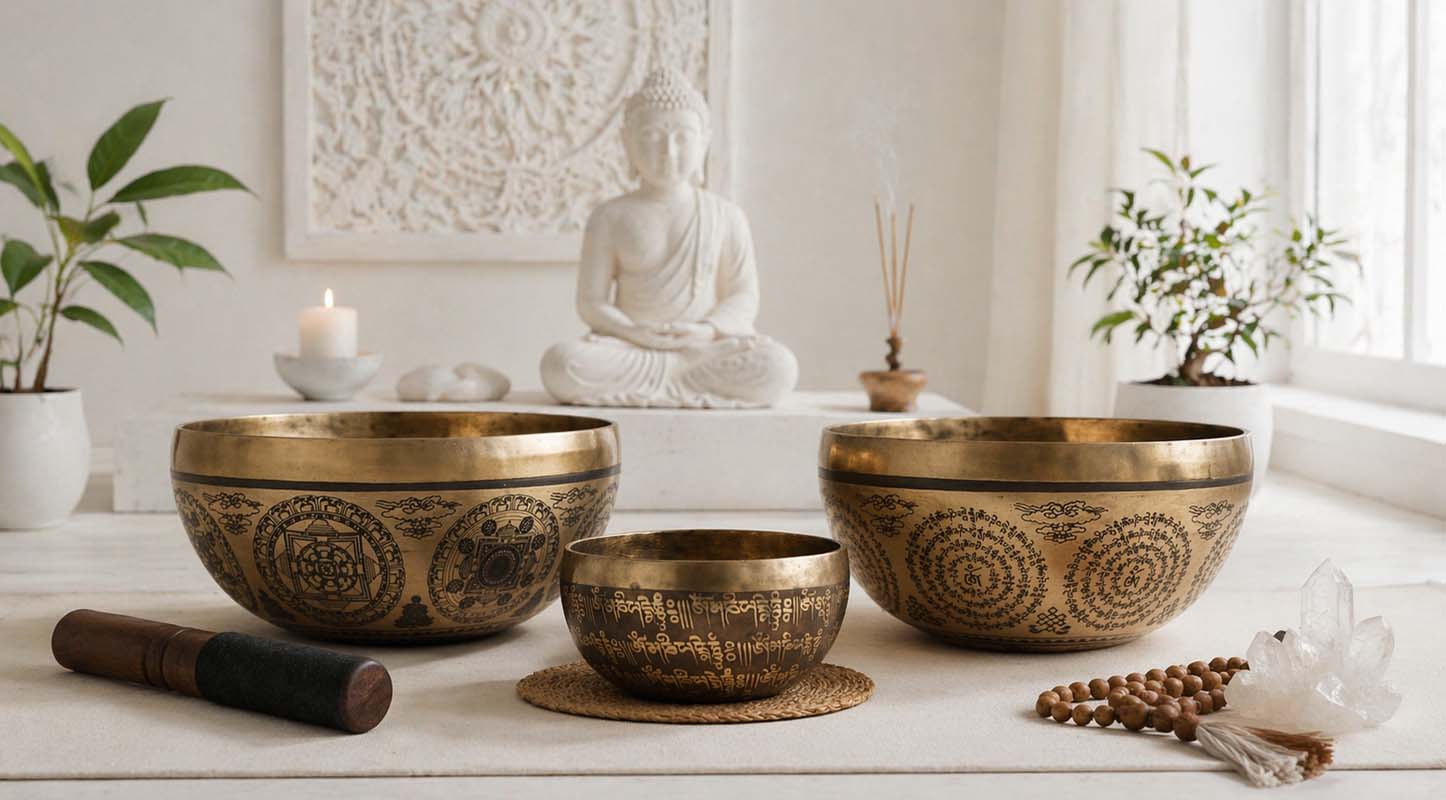
Tibetan singing bowls are not just instruments. They are tools for awareness, meditation, and personal connection.
When you combine the vibration of a handmade Himalayan singing bowl with the meaning of sacred mantras and symbols, the experience becomes deeper and more personal.
The sound helps calm the mind.
The symbols give direction to your focus.
The mantra adds intention to your practice.
Together, they create something beyond simple sound.
That is why a mantra carved singing bowl or sacred symbol singing bowl is not just something you hear. It is something you feel.
Frequently Asked Questions
What do mantras on Tibetan singing bowls mean?
Mantras on Tibetan singing bowls carry spiritual meaning, intention, and symbolic value. They are often used to represent compassion, mindfulness, healing, wisdom, or devotion.
Does a mantra change the sound of a singing bowl?
No. The mantra does not physically change the pitch or frequency of the bowl. The sound depends on the bowl’s size, shape, thickness, metal, and craftsmanship.
What is the most common mantra on Tibetan singing bowls?
One of the most common mantras is Om Mani Padme Hum, a sacred Buddhist mantra associated with compassion, wisdom, and inner transformation.
What do sacred symbols on singing bowls represent?
Sacred symbols can represent peace, awareness, harmony, healing, transformation, purity, spiritual path, and protection. Common symbols include Buddha, mandala, lotus, Om, Buddha footprints, and the Eyes of Buddha.
Can I request my own mantra or symbol on a singing bowl?
Yes. A custom singing bowl can be made with your own mantra, meaningful saying, personal sacred symbol, or family symbol, making the bowl more personal and unique.
Where can I buy mantra carved or symbol etched Tibetan singing bowls?
You can explore carved and etched Tibetan singing bowls in the dedicated collection, or request a fully custom singing bowl based on your own design idea.