




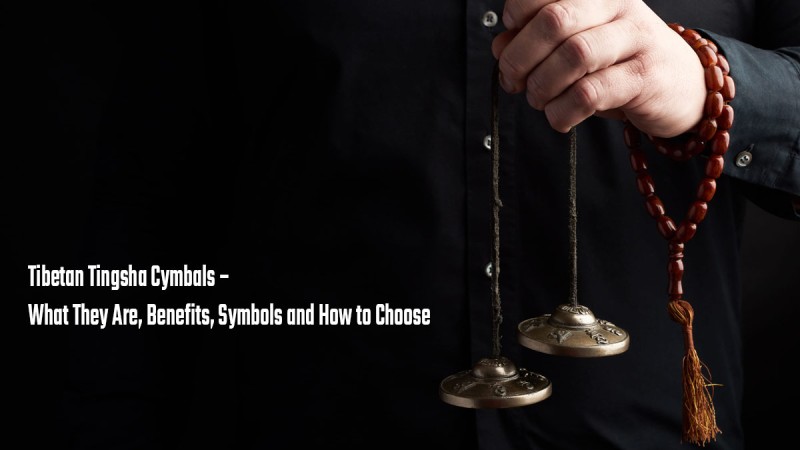
What Are Tibetan Tingsha Cymbals – And Why Do They Sound the Way They Do
If you have ever been in a meditation class or yoga session and heard a single, bright, piercing tone cut through the silence — that was almost certainly a pair of Tibetan Tingsha cymbals. The sound is unmistakable. Clean, clear, and sustained in a way that seems to hang in the air far longer than it should. It does not ask you to relax. It simply creates a space in which relaxation becomes natural.
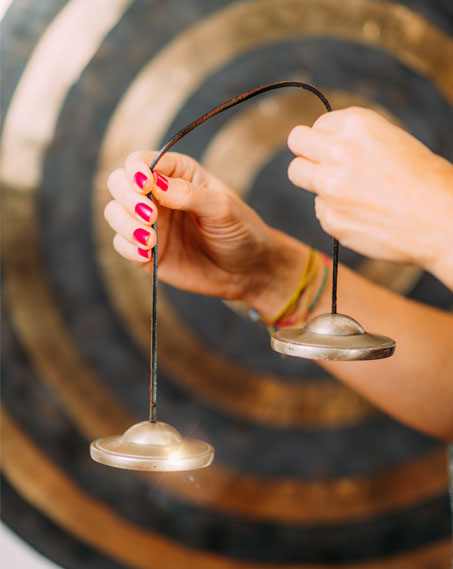
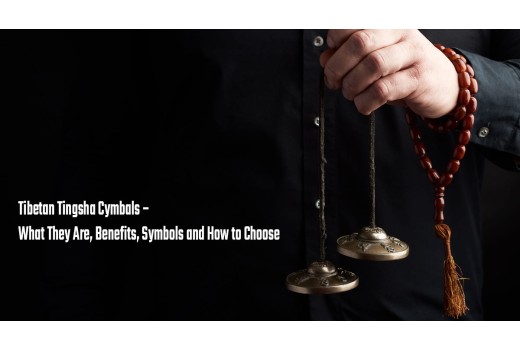
Tibetan Tingsha — also called Tingsha bells, Tibetan cymbals, Tibetan chimes, or Ting-sha — are two small metal cymbals joined by a leather cord. You hold one in each hand and strike the edges together, letting them ring freely. The result is a tone of remarkable purity, typically above 2000 Hz, bright and high with overtones that gradually unfold as the sound sustains. Unlike a Tibetan singing bowl which builds slowly through sustained playing, the Tingsha delivers its full character in a single strike. It is an instrument of the moment, not the journey.
In Tibetan Buddhist practice, Tingsha cymbals have been used for centuries to mark the beginning and end of meditation, to call in presence at the start of a ritual, and to clear a space of energetic residue after a healing session. The sound is understood to cut through distraction and mental noise in a way that lower-frequency instruments cannot. It does not ease you into stillness. It wakes you up to it.
This guide covers everything you need to know about Tibetan Tingsha — what they are, how they differ from Tibetan chimes, their benefits for meditation and healing, what the symbols mean, how to use them for space clearing, and how to choose the right pair for your practice or as a gift.
Tibetan Tingsha vs Tibetan Chimes — What Is the Difference
This is one of the most common questions people ask, and the answer is simpler than most sources make it.
Tingsha bells and Tibetan chimes are essentially the same instrument — two small struck cymbals joined by a cord — but the name used depends on size, metal finish, and tradition. In the Dharma Tool collection, the smaller 2.5 inch pairs are referred to as Tingsha bells, while the larger 3 inch pairs with premium bronze or black bronze finishes are referred to as Tibetan chimes. The playing method is identical. The practical difference is in tone depth and sustain — larger cymbals produce a fuller, longer-lasting sound with more resonance in the lower register.
You may also see them referred to as Kartals or Tibetan hand cymbals in some traditions. All names refer to the same type of instrument. Neither size is better — they simply serve different purposes, which the section on sizing below covers in full.
Benefits of Tibetan Tingsha Cymbals
The benefits of Tibetan Tingsha go beyond their obvious use as a meditation timer. Here is what makes them genuinely useful across a range of practices and contexts.
Instant Mental Focus
The sharp, high-frequency tone of Tibetan Tingsha cymbals cuts through mental chatter with a directness that lower-frequency instruments cannot match. The brain cannot ignore it — which is precisely the point. A single strike immediately draws attention back to the present moment. This makes Tingsha cymbals one of the most effective focus tools available to a meditator, yoga teacher, or therapist.
Stress and Anxiety Reduction
Like all authentic Himalayan sound instruments, Tibetan Tingsha produce vibrations that encourage the nervous system to shift from a state of high alert toward calm. The sustained tone after the strike creates a moment of genuine stillness — a pause in the mental stream that the body uses as an opportunity to release held tension. Regular use as part of a daily practice has a cumulative effect on baseline stress levels.
Space Clearing and Energy Work
The high-frequency vibration of Tingsha cymbals is traditionally understood to disperse dense or stagnant energy in a space — energy that accumulates through argument, illness, emotional difficulty, or simply the buildup of everyday mental residue. This is one of their most practical and widely used applications, and one that many people who are entirely new to sound healing find immediately and genuinely useful.
Marking Transitions in Practice
In yoga and meditation, transitions matter. The sound of Tibetan Tingsha bells signals a shift — from ordinary time into practice, from one pose to the next, from activity into Savasana, from session into integration. This simple function creates a container for practice that the wandering mind finds much easier to work within than an undefined stretch of time.
Supporting Sound Healing Sessions
Sound healers use Tibetan Tingsha cymbals at specific points within a session — at the opening to establish clarity and presence, and at the close to signal return and integration. When used alongside a Tibetan singing bowl or gong, the Tingsha's sharp, cutting tone creates contrast and definition within the sonic landscape of the session.
Accessible Daily Mindfulness Anchor
Keep a pair of Tingsha bells on your desk or beside your meditation cushion. Strike them once before anything that calls for focus — before writing, before a difficult conversation, before sitting to work. The sound is a pattern interrupt. It brings you into the present moment with no technique required. Of all the Himalayan sound instruments, Tingsha are the most immediate and the most accessible to a complete beginner.
How to Use Tibetan Tingsha Cymbals

For Opening and Closing Meditation
Strike the Tingsha once clearly at the start of a session to signal the transition from ordinary time into practice. Let the tone fade completely before you begin. Strike again at the close to mark the return. This simple ritual gives practice a container — a beginning and an end that the mind can work within.
For Yoga and Group Classes
Tibetan Tingsha cymbals travel across a room cleanly and without effort. Use them to signal transitions between postures, to call the class into stillness before Savasana, or to open and close the session. The sound communicates without words — which in a practice where silence matters, is genuinely valuable.
For Space Clearing
Walk slowly through the room you want to clear, striking the Tibetan Tingsha at intervals. Let each tone fade fully before striking again — do not rush. Pay attention to corners, doorways, and areas where the energy feels heavy or stagnant. In Himalayan tradition, three strikes in each corner while holding a clear intention for what you want to release is the traditional method. Many people find this practice genuinely effective after an argument, illness, a period of difficulty, or when moving into a new space.
For Sound Healing Practice
Use Tingsha bells to open your sound healing session before the deeper instruments begin, and to close it once the main practice is complete. The contrast between the sharp clarity of the Tingsha and the sustained warmth of a Tibetan singing bowl or gong creates a natural arc for the session — clear beginning, deep middle, clear return.
For Daily Mindfulness
Strike once. Breathe. Begin. It is genuinely that simple. No technique, no learning curve. The Tingsha bell is the most accessible entry point into sound-based mindfulness practice that exists.
The Symbols on Tibetan Tingsha — What Each One Means
Every pair of Tibetan Tingsha and chimes in the Dharma Tool collection carries an embossed or engraved symbol on its surface. These are not decorative choices — each symbol carries a specific meaning and energetic quality that traditionally aligns with the instrument's purpose.
Austamangal — The Eight Auspicious Symbols
The Austamangal (also called Ashtamangala) is a set of eight sacred symbols that together represent the full path to enlightenment in Tibetan Buddhism — the parasol, the golden fish, the treasure vase, the lotus, the conch shell, the endless knot, the victory banner, and the dharma wheel. Together they carry the energies of protection, abundance, purity, awakening, truth, interconnection, overcoming obstacles, and the path itself.
Austamangal Tingsha are the most traditionally complete choice for Buddhist meditation and ritual practice. They are the most commonly found symbol on Tibetan Tingsha cymbals used in formal practice contexts.
✦ Eight Auspicious Symbols · Most Traditional
Austamangal Tibetan Tingsha & Chimes
Available in 2.5 inch Tingsha bell and 3 inch premium chime versions. The most traditionally complete choice for Buddhist meditation and ritual use.
Shop Austamangal Tingsha →Dragon — Strength, Protection and Auspicious Energy
The Himalayan dragon is one of the most powerful auspicious symbols in Tibetan and Nepalese tradition — representing strength, good fortune, elemental energy, and protection. Dragon Tibetan Tingsha are particularly popular for space clearing and energy work, where the protective quality of the symbol combines naturally with the instrument's clarifying tone.
✦ Protection · Strength · Space Clearing
Dragon Embossed Tibetan Tingsha & Chimes
Available in 2.5 inch and 3 inch premium versions. Strong and clarifying — the natural choice for space clearing and energy work.
Shop Dragon Tingsha →Mantra — Om Mani Padme Hum and Sacred Text
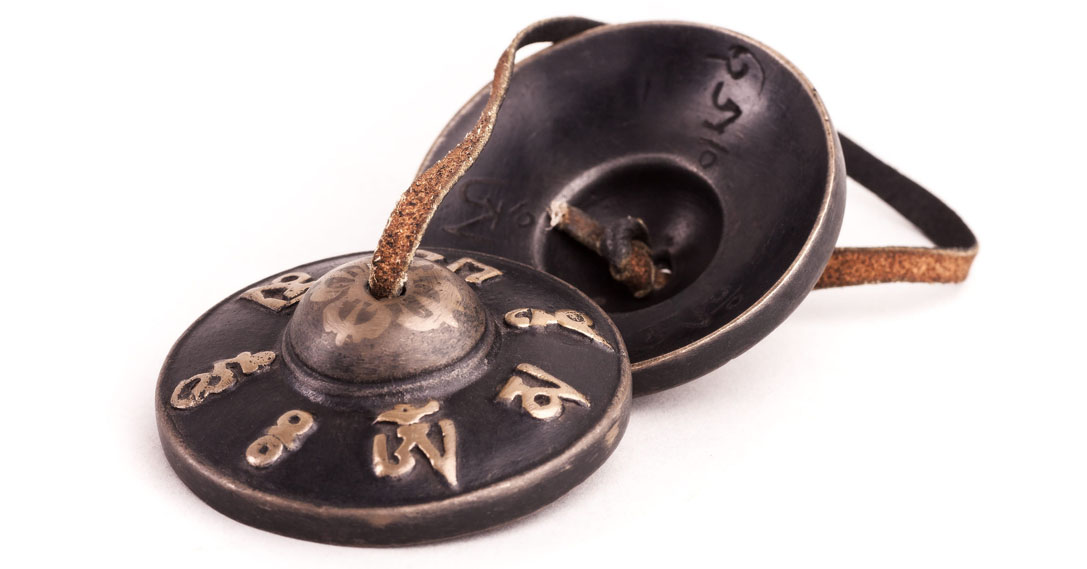
Mantra embossed Tibetan Tingsha carry Om Mani Padme Hum, the six-syllable mantra of Avalokiteshvara, the bodhisattva of compassion, inscribed directly into the metal. In Himalayan tradition, engraving a mantra onto metal embeds that mantra's energy permanently into the object. Every time the Tingsha bells are struck, the mantra vibrates outward with the sound. A deeply meaningful choice for practitioners who work specifically with compassion and emotional healing.
✦ Om Mani Padme Hum · Compassion
Mantra Embossed Tingsha & Chimes
The mantra of compassion carried in every strike. Available in 2.5 inch and 2.75 inch premium versions.
Shop Mantra Tingsha →Full Moon — Lunar Energy and Receptive Clarity
Full Moon Tingsha follow the same tradition as the full moon singing bowl — completed under lunar light by Nepalese artisans who understand the full moon as a time of amplified receptivity, release, and clarity. These make a natural companion to a full moon singing bowl for practitioners who build their practice around the lunar cycle.
✦ Completed Under Lunar Light · Releasing Energy
Full Moon Tingsha
Finished under the full moon. A natural companion to a full moon singing bowl and ideal for lunar practice and emotional healing work.
Shop Full Moon Tingsha →Om Namah Shivaya — Purification and Devotion
Om Namah Shivaya is one of the most important mantras in the Hindu tradition — a five-syllable salutation to Shiva representing the purification of all five elements within the body. Each syllable — Na, Ma, Shi, Va, Ya — corresponds to earth, water, fire, air, and space. A meaningful choice for yoga teachers and practitioners with a devotional connection to Hindu philosophy or Shaivite tradition.
✦ Five Elements · Hindu Mantra · Devotional
Om Namah Shivaya Tingsha
Engraved with Om Namah Shivaya — the mantra of purification, five elements, and devotional surrender. Ideal for yoga teachers with a Hindu devotional practice.
Shop Om Namah Shivaya Tingsha →Tibetan Zodiac Animals — Personal and Meaningful
The Tibetan zodiac follows a twelve-year cycle governed by twelve animals — Rat, Ox, Tiger, Rabbit, Dragon, Snake, Horse, Sheep, Monkey, Rooster, Dog, and Pig — each carrying its own energetic quality. Tibetan Tingsha bearing the zodiac animals are a particularly personal choice as a talisman or gift. Choosing a pair connected to your birth year animal — or that of the person you are gifting — creates a connection that goes far beyond the generic.
✦ Personal Talisman · Meaningful Gift
Tibetan Zodiac Animal Tingsha
All twelve Tibetan zodiac animals embossed on a 3 inch premium chime. A deeply personal choice for yourself or as a gift tied to someone's birth year animal.
Shop Zodiac Tingsha →Plain Bronze and Black Bronze — Pure Tone, No Symbol
Not every practitioner wants a symbol. For those who find that any specific image pulls attention away from the practice itself, or who simply prefer a clean aesthetic, the plain bronze and black bronze Tibetan Tingsha are the right choice. The black bronze finish is particularly striking — darker, more refined, and visually distinctive in a way the natural bronze cannot replicate. Both produce the same clear, sustained tone from the same premium alloy.
✦ Pure Tone · No Symbol · Premium Finish
Premium Bronze & Black Bronze Tibetan Chimes
For those who want the tone without the symbol. Natural bronze and black bronze — both 3 inch premium quality, handmade in Nepal.
Shop Premium Bronze Chimes →2.5 Inch vs 3 Inch Tingsha — Which Size Is Right for You
Size is the most practical factor when choosing Tibetan Tingsha cymbals and worth understanding before you decide.
The 2.5 inch Tingsha bells produce a higher, brighter, more piercing tone above 2000 Hz with a shorter sustain. This makes them ideal for personal meditation, yoga class transitions, travel, and everyday mindfulness use. Their lighter weight makes them easy to hold for extended periods and their sound cuts through ambient noise cleanly.
The 3 inch premium Tibetan chimes produce a deeper, fuller tone with significantly longer sustain and richer overtones. This quality makes them better suited to larger rooms, group sound healing sessions, and situations where you want the sound to fill and hold a space. The larger size also gives the strike a more grounded, substantial feel.
If you are starting out and want one pair for personal daily use — 2.5 inch. If you are building a professional kit or working in group settings — 3 inch premium. Many experienced practitioners own both.
How to Play Tibetan Tingsha Correctly

The technique is simple but worth understanding, because a poorly struck Tingsha produces a dull, muted tone rather than the full, clear ring it is capable of.
Hold one cymbal in each hand by the cord — not gripping the metal directly, which dampens the vibration. Keep your hands relaxed. Bring the edges of the two cymbals together at a slight angle — not flat face to face, which also dampens the tone — and strike gently but decisively. Immediately allow both cymbals to move apart freely after contact. Release any grip on the cord in the moment after the strike and let the vibration happen without interference.
The most common mistake is gripping too tightly or striking too flat. A light, glancing strike at the rim edge with an immediate release gives you the full, clear, sustained tone that makes Tibetan Tingsha cymbals so distinctive.
Let each tone fade completely before striking again. The silence after the Tingsha is as important as the sound — it is the space the sound creates that carries the practice.
Tibetan Tingsha as a Gift
Tingsha bells are one of the most underrated gifts in the Dharma Tool collection. Compact, visually beautiful, and carrying genuine spiritual meaning — and unlike a Tibetan singing bowl which requires some technique to play well, Tingsha are immediately usable by anyone. You strike them and they ring. No learning curve required.
They work as a gift for meditators, yoga teachers, sound healers, therapists, and anyone who values a mindful daily practice. At under $60 for most pairs, they are also one of the most accessible entry points into authentic Himalayan sound instruments — significant meaning at a thoughtful price point.
The mantra embossed and full moon versions carry enough symbolic depth to feel genuinely considered. The zodiac animal version, matched to the recipient's birth year, becomes something truly personal.
✦ Handmade in Nepal · Healer Selected · DHL Express Delivery
Browse the Full Tibetan Tingsha Collection
Every pair of Tingsha and Tibetan chimes in our collection is handcrafted in Kathmandu, Nepal — cast from a sacred metal alloy, tuned by hand, and selected by experienced practitioners. From personal meditation bells to premium 3 inch chimes for professional practice.
Shop All Tibetan Tingsha → Explore All Dharma Tools →Frequently Asked Questions
What are Tibetan Tingsha cymbals used for?
Tibetan Tingsha cymbals are used to open and close meditation sessions, mark transitions in yoga practice, clear a space of stagnant or negative energy, and anchor daily mindfulness rituals. In Tibetan Buddhist tradition they are also used in ritual and ceremony to invoke presence and clarity. Their sharp, pure tone above 2000 Hz cuts through mental distraction in a way that lower-frequency instruments cannot.
What is the difference between Tingsha and Tibetan chimes?
They are the same instrument — two small struck cymbals joined by a leather cord — sometimes called Tibetan cymbals, Tingsha bells, or Kartals depending on the tradition. Tingsha bells are typically 2.5 inches and produce a high, bright tone ideal for personal practice. Tibetan chimes are typically 3 inches with a premium finish, producing a deeper, more sustained tone better suited to larger rooms and group settings.
How do you play Tibetan Tingsha correctly?
Hold one cymbal in each hand by the cord rather than gripping the metal. Bring the edges together at a slight angle — not flat — and strike gently but decisively. Immediately release both hands to let the vibration ring freely. Let the full tone fade before striking again. The most common mistake is dampening the tone by gripping too tightly or striking face to face.
What do the symbols on Tibetan Tingsha mean?
The Austamangal (Eight Auspicious Symbols) represents the full Buddhist path and is the most traditionally complete choice. The Dragon represents strength and protection. Mantra versions carry Om Mani Padme Hum, the mantra of compassion. The Full Moon version carries lunar releasing energy. Om Namah Shivaya carries the Hindu mantra of five-element purification. The Zodiac bears the twelve sacred animals of the Himalayan calendar.
Which size Tingsha should I choose — 2.5 inch or 3 inch?
For personal meditation and everyday use, 2.5 inch Tingsha bells are ideal — lighter, more portable, and producing a bright clear tone above 2000 Hz. For professional sound healing, group yoga sessions, or larger spaces, 3 inch premium Tibetan chimes produce a deeper, richer, more sustained tone that holds a room more effectively.
Can Tibetan Tingsha be used to clear negative energy from a room?
Yes — this is one of their most practical everyday uses. Walk slowly through the space striking the Tingsha bells at intervals, letting each tone fade fully before striking again. Pay attention to corners and doorways. Three strikes in each corner while holding a clear intention for what you want to release is the traditional Himalayan method. Many people find this immediately and genuinely effective after argument, illness, or emotional difficulty in a space.
Are Tibetan Tingsha a good meditation gift?
Yes — one of the most accessible and immediately usable gifts in the Dharma Tool collection. No technique required, compact, and visually beautiful. They work for meditators, yoga teachers, sound healers, and anyone with a mindful daily practice. The mantra, full moon, and zodiac animal versions carry enough personal meaning to feel genuinely considered rather than generic.