




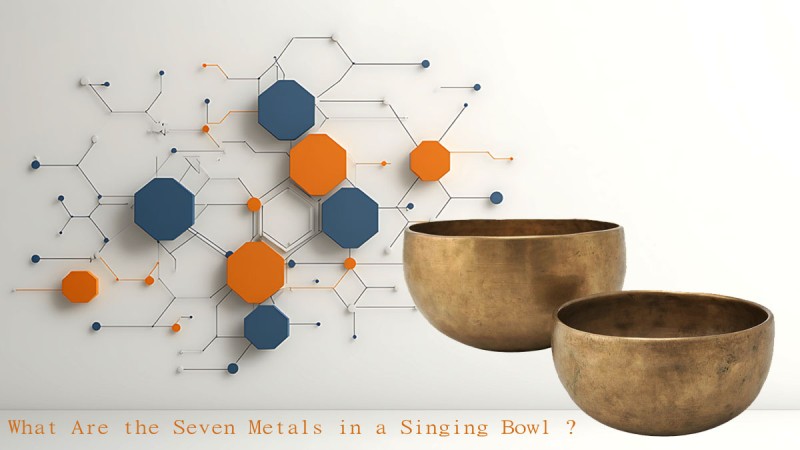
Seven Metals in a Singing Bowl: Meaning, Science, and Safety
Singing bowls have been used for centuries across the Himalayan region for meditation, ritual, and sound-based practices. One of the most defining characteristics of a traditional singing bowl is its seven-metal composition—a carefully balanced alloy that gives the bowl its distinctive resonance, tonal complexity, and sustained vibration.
This article presents a clear and educational explanation of the seven metals traditionally associated with singing bowls. Each metal is examined through three perspectives: its traditional symbolism, its role in material science, and its contribution to sound and resonance. Modern safety considerations, including the frequently asked question about lead, are also addressed to help readers make informed and confident decisions.
What Are the Seven Metals in a Singing Bowl?
Traditional Himalayan singing bowls are formed from a multi-metal alloy commonly referred to as the seven metals, historically associated with the concept of Ashta Dhatu. Rather than being cast from a single metal, these bowls are shaped through repeated hand-hammering, a process that encourages complex vibrational behavior within the material.
This multi-metal structure allows a singing bowl to produce:
- a strong and stable fundamental tone,
- multiple layers of overlapping overtones, and
- a long, immersive sustain.
While traditional explanations often reference planetary symbolism, the effects of the seven-metal alloy can also be understood through acoustics, resonance, and vibration physics.
The Seven Metals Explained
1. Gold — Metal of the Sun
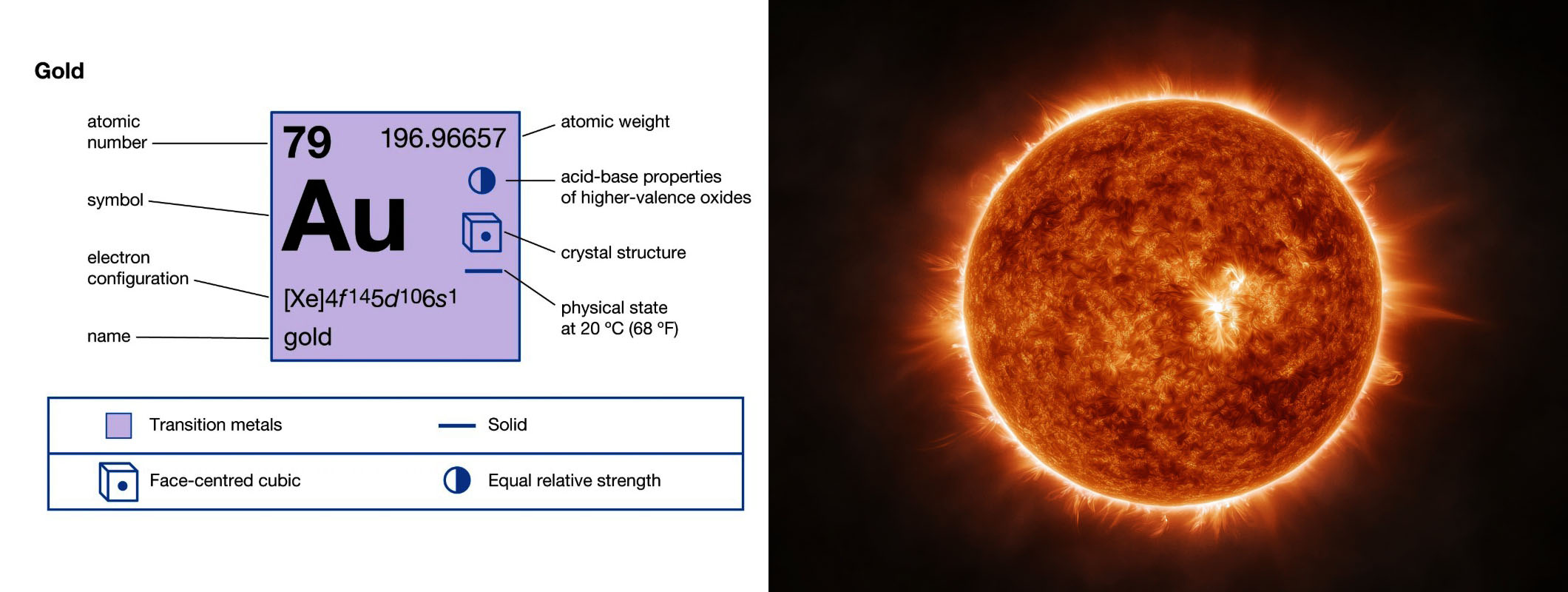
Traditional meaning: Gold is associated with the Sun and symbolizes vitality, illumination, and higher awareness. Across many ancient cultures, gold represented purity and the sustaining force of life.
Scientific and material role: Gold is highly dense and resistant to corrosion. Even in small amounts, it can contribute to long-term material stability and support consistent vibrational behavior across the bowl’s surface.
Acoustic contribution: Gold is often associated with tonal refinement, helping soften sharp high frequencies and supporting a warm, smooth sound profile.
2. Silver — Metal of the Moon
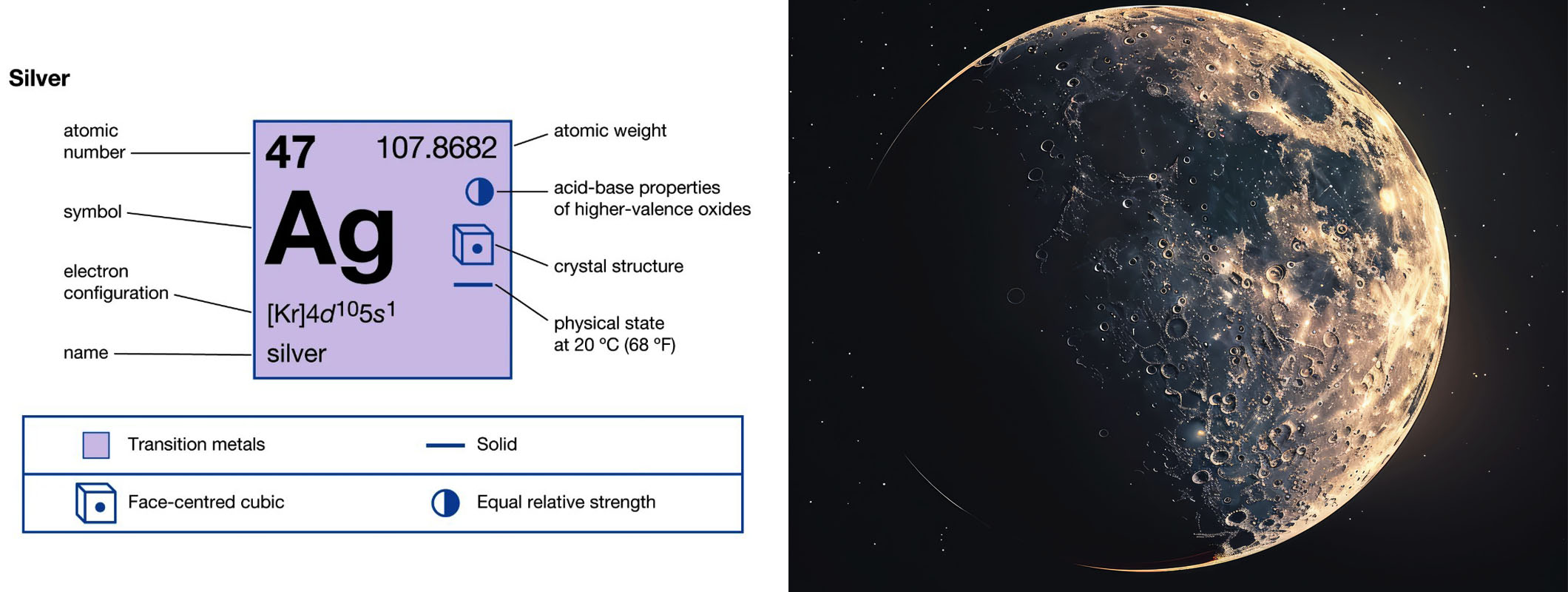
Traditional meaning: Silver corresponds to the Moon and represents calmness, intuition, and emotional balance. It is traditionally linked with reflection and mental clarity.
Scientific and material role: Silver is an excellent conductor. Within an alloy, conductive metals help distribute vibrational energy evenly, supporting a balanced and stable resonance pattern.
Acoustic contribution: Silver is commonly associated with gentle resonance, contributing to a soothing tonal quality as overtones blend smoothly.
3. Copper — Metal of Venus

Traditional meaning: Copper is associated with Venus and symbolizes harmony, balance, and restorative energy. It has been widely used in vessels and tools across traditional cultures.
Scientific and material role: Copper typically forms the primary base metal in traditional singing bowl alloys. Its malleability and resilience make it well suited for hand-hammering, allowing artisans to shape bowls through repeated strikes without cracking.
Acoustic contribution: Copper contributes strongly to resonance and sustain, supporting volume, depth, and the overall vibrational presence of the bowl.
4. Iron — Metal of Mars

Traditional meaning: Iron corresponds to Mars and symbolizes strength, courage, grounding, and protection. Historically, iron represented endurance and resilience.
Scientific and material role: Iron adds structural strength to the alloy and helps control excessive flexibility, improving durability and shape retention over time.
Acoustic contribution: Iron is often associated with deeper, weightier resonance, reinforcing lower frequencies and giving the sound a grounded foundation.
5. Tin — Metal of Jupiter
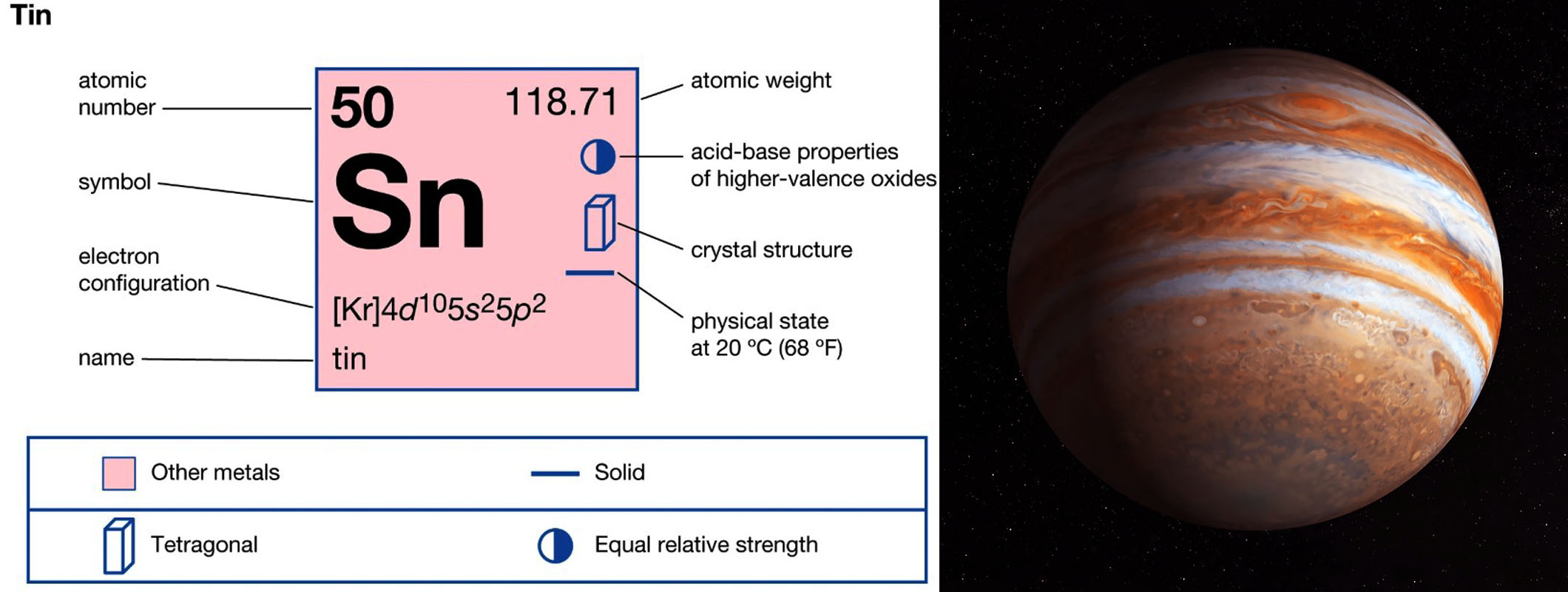
Traditional meaning: Tin is linked to Jupiter and symbolizes wisdom, expansion, and spiritual growth.
Scientific and material role: Tin is commonly used in alloys to influence hardness and elasticity. In a multi-metal composition, it helps balance firmness with responsiveness, supporting tonal consistency.
Acoustic contribution: Tin contributes to harmonic richness, helping the sound feel open, layered, and expansive rather than narrow or flat.
6. Mercury — Metal of Communication (Symbolic)
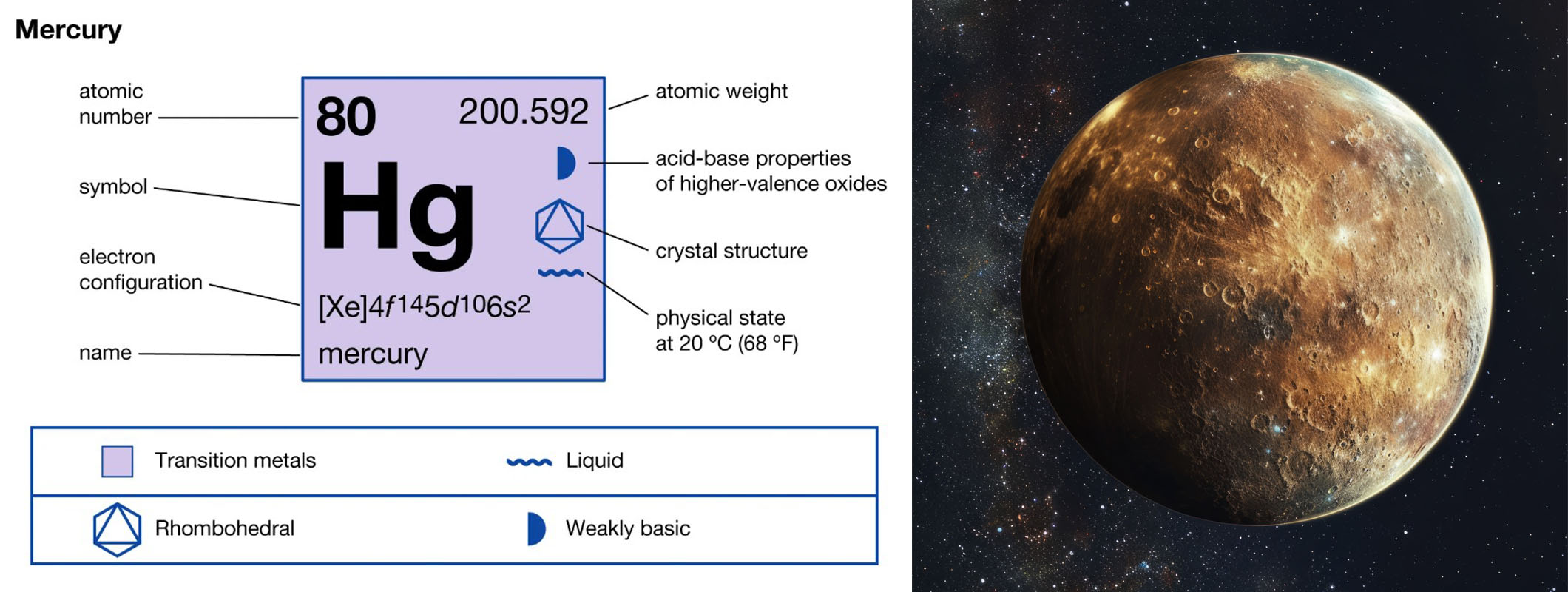
Traditional meaning: Mercury symbolizes intelligence, communication, adaptability, and clarity of thought in classical planetary systems.
Scientific clarification: Modern handmade singing bowls do not contain liquid or free mercury. In traditional descriptions, mercury is understood as a symbolic reference, reflecting ancient conceptual models rather than modern chemical composition.
Acoustic interpretation: Symbolically, mercury is associated with tonal clarity and smooth transitions between frequencies. In practice, this clarity arises from overall alloy behavior and skilled craftsmanship.
7. Lead — Metal of Saturn
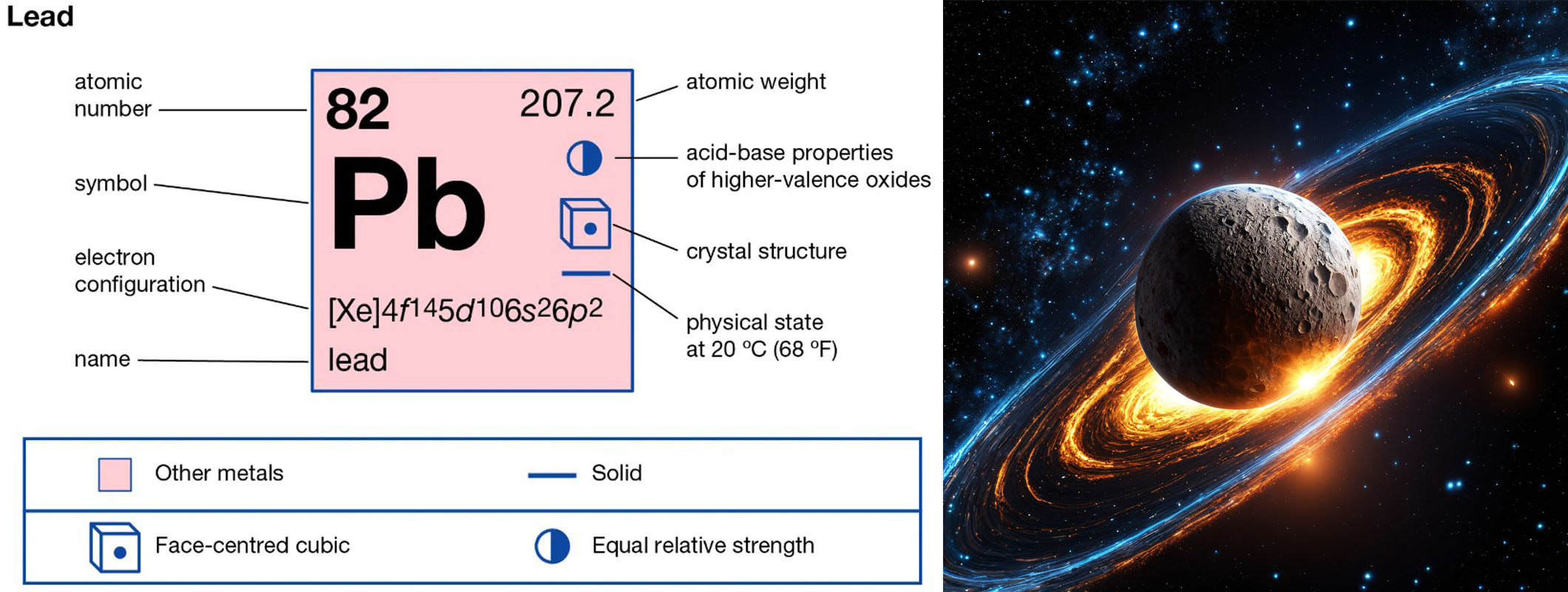
Traditional meaning: Lead corresponds to Saturn and symbolizes discipline, grounding, patience, and transformation over time.
Scientific and material role: Heavier elements can influence mass and vibration damping in metallurgy. In responsibly made singing bowls, any trace elements are bound within a stable alloy rather than existing in free or reactive form.
Acoustic contribution: Lead is traditionally associated with deep, grounding tones. In practical listening, this grounded sensation is strongly influenced by bowl size, thickness, and overall alloy structure.
Is Lead in Singing Bowls Harmful? (Safety Clarification)
Lead is a toxic metal when it enters the body through ingestion, inhalation, or prolonged exposure. Because of this, questions about safety are both valid and important.
The key clarification: responsibly made singing bowls are solid alloy instruments. Sound is mechanical vibration and does not transfer metal particles into the body. Playing or listening to a singing bowl does not create lead exposure.
Traditional references to lead arise from symbolic planetary associations and historical terminology rather than unsafe material practices. Safety ultimately depends on responsible sourcing and quality craftsmanship.
Why Seven Metals Matter (Scientific Perspective)
From a physics and acoustics standpoint, multi-metal alloys produce more complex resonance than uniform metals. Differences in density and elasticity influence how vibration spreads across the bowl’s surface.
This acoustic complexity explains why traditional hand-hammered singing bowls often produce richer overtone layers, subtle beating patterns between close frequencies, and longer, more immersive sustain.
Bringing Belief and Science Together
The tradition of seven-metal singing bowls reflects a deep cultural understanding of sound, material, and human perception. While ancient explanations often relied on symbolic language, modern science helps clarify why these instruments remain effective: complex resonance patterns, sustained vibration, and acoustic richness naturally support relaxation and focused awareness.
Rather than standing in opposition, belief and science complement one another. Traditional knowledge identified what worked through experience, while modern research explains how and why it works. Together, they provide a complete understanding of singing bowls as both cultural artifacts and functional sound instruments.
At Dharma Tool, we honor this balance by offering singing bowls that respect tradition, meet modern safety expectations, and are crafted for genuine meditative and sound-based practice.
Explore Authentic Seven-Metal Tibetan Singing Bowls
Discover our curated collection of seven-metal Tibetan singing bowls, traditionally hand-crafted using multi-metal alloys known for their rich resonance, harmonic depth, and sustained vibration. Each bowl reflects the balance of traditional belief and material science, making it suitable for meditation, sound therapy, yoga, and mindful practice.
At Dharma Tool, we focus on responsible sourcing, traditional craftsmanship, and transparent education—offering singing bowls that honor Himalayan heritage while meeting modern expectations for quality and safety.