




Sound Healing Is Growing Fast — And Not Everyone Offering It Is Ready to Hold That Space
More people are booking sound healing sessions and sound baths than ever before. Tibetan singing bowl therapy, gong baths, vibroacoustic sound healing, chakra sound sessions — these are no longer niche wellness experiences. They are mainstream. And with that mainstream growth comes a problem that nobody talks about loudly enough: the quality of practitioners varies enormously, and most first-time clients have no idea what to look for before they book.
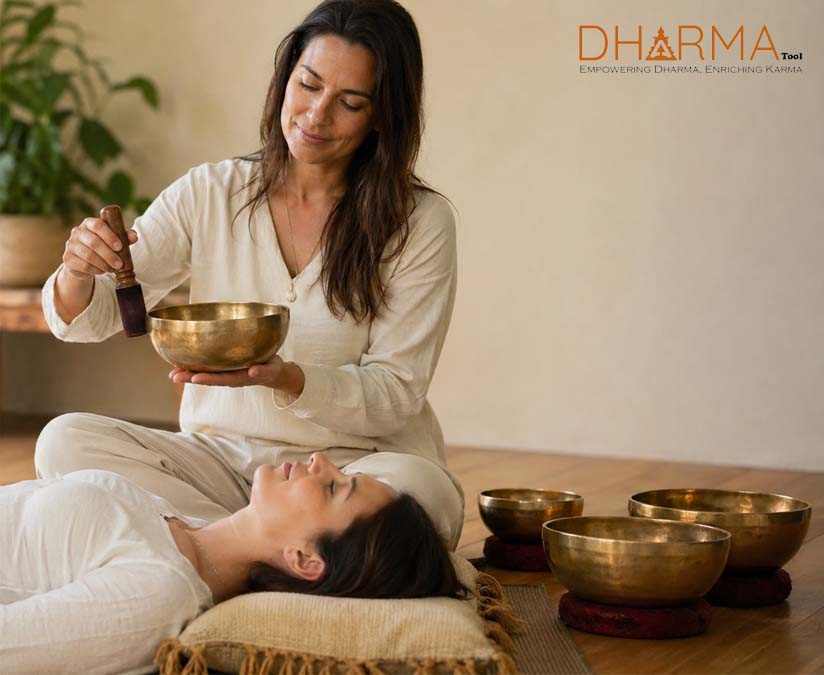
A singing bowl sound healing session is not a spa treatment. It is a real physiological experience — one that activates the vagus nerve, shifts brainwave states from beta to alpha and theta, stimulates the parasympathetic nervous system, and opens the body's energy field to vibrational influence in ways that ordinary music or relaxation cannot replicate. This is exactly why it works. It is also exactly why the person holding the space for that experience needs to know what they are doing.
This guide covers the ten most important things to check before booking any sound healing session, sound bath, gong bath, or singing bowl therapy appointment. Whether you are booking your very first session or evaluating a new practitioner for your ongoing practice — these are the questions that separate a safe, genuinely transformative experience from one that falls flat or, in rare cases, causes unnecessary distress.
Read it fully. Your nervous system deserves the best practitioner available to you.
1. Start With the Healer — Their Background Is Everything
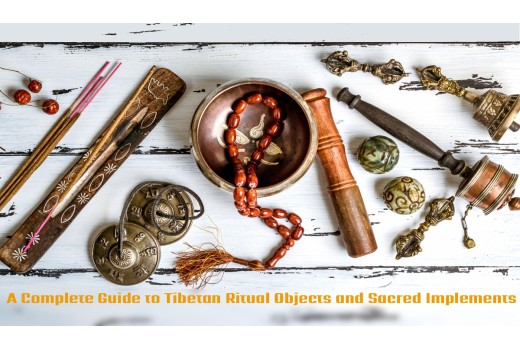
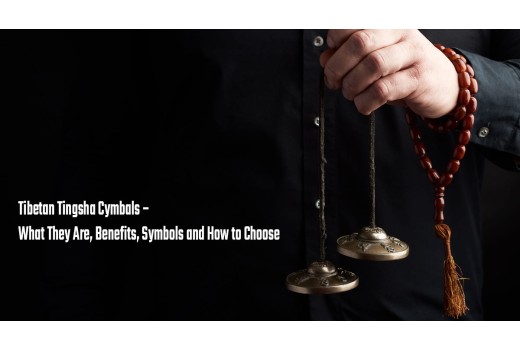
The single most important factor in a sound healing session or sound bath is the person facilitating it. The instruments matter — whether they use genuine handmade Tibetan singing bowls, quality Tibetan gongs, authentic tingshas, or traditional bell and dorje sets. The space matters. But the practitioner — their training, their experience, their personal relationship with the practice, and the quality of presence they bring to the room — determines everything else.
Before booking any sound healing session, sound bath or gong bath, find out where the practitioner's knowledge actually comes from. Not just whether they have a certificate — but whether that certificate represents genuine depth of understanding, supervised practice, and a real connection to the Himalayan tradition from which these instruments originate.
The best sound healing practitioners combine two things: formal training from a recognised certification programme and direct experiential knowledge of the instruments they work with — ideally including time spent in Nepal, India or Tibet where the tradition of Tibetan singing bowl healing is still alive in its original form. A practitioner who learned sound healing entirely online and has never held a quality handmade Himalayan singing bowl is operating at a fundamentally different level from one who has spent years building a genuine relationship with these instruments from the source.
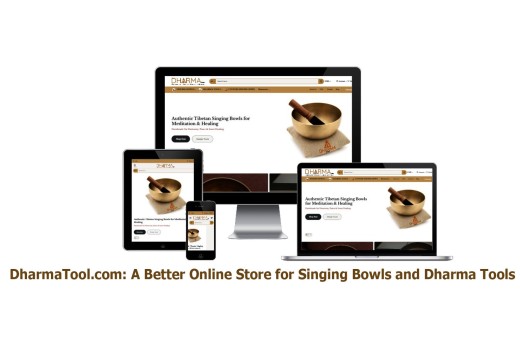
At Dharma Tool, every singing bowl, gong, tingsha and bell and dorje in the collection is personally selected by Sunita — a dedicated professional sound healer and meditation practitioner born in the heart of the Himalayas, with years of direct client experience in sound therapy, chakra balancing and Tibetan healing practice. Understanding what healer-led instrument selection looks like in practice is itself a useful reference point for evaluating any practitioner you are considering booking with. You can read more about Sunita's background, training, certifications and healing philosophy on the Dharma Tool healer-selected page.
Questions to Ask About Background
- Where did you train and who were your teachers?
- Is your training rooted in a Himalayan, Tibetan Buddhist or Indian lineage — or purely in modern Western wellness?
- How many years have you been actively working with clients in sound healing sessions and sound baths?
- Do you maintain a personal daily practice with your singing bowls, gongs and other instruments?
- Can you describe the instruments you use and where they came from?
✅ Green Flag
Clear, specific, confident answers. A practitioner who can name their teachers, describe their training lineage, explain their instruments in detail, and speak from genuine lived experience of both personal practice and client work.
Red Flag
Vague answers. Learning primarily from YouTube. Offering paid sessions after less than a year of practice. Being unable to explain what type of singing bowls they use, whether they are handmade or machine-made, or where they come from.
2. Verify Their Sound Healing Certification — What to Look For and What to Ask
Sound healing and sound therapy are unregulated professions in most countries. There is no legal requirement to hold any certification before offering sound healing sessions, gong baths or singing bowl therapy to paying clients. This makes certification one of the most important voluntary signals of professional commitment — and one of the first things to verify before booking.
A recognised sound healing certification requires not just theoretical knowledge but supervised practical hours with real clients, demonstrated understanding of contraindications, anatomy basics relevant to sound therapy, instrument selection, and session structure. A weekend workshop certificate and a 200-hour supervised certification programme both technically "certify" someone as a sound healer. They are not equivalent.
Recognised Sound Healing Certification Bodies
- Vibrational Sound Association (VSA): The most respected Himalayan singing bowl specific certification body. VSA Level 1 and Level 2 programmes are the gold standard for Tibetan singing bowl practitioners — covering anatomy, contraindications, instrument selection, one-to-one session structure, group sound bath facilitation and clinical application. Look for VSA certification specifically when booking any Tibetan singing bowl sound healing session.
- International Sound Therapy Association (ISTA): Internationally recognised accreditation body for sound healing training programmes. ISTA-accredited courses meet defined standards of curriculum depth, practical hours and clinical competence.
- International Institute for Complementary Therapists (IICT): Approves training providers whose graduates can obtain professional indemnity insurance — a meaningful quality threshold that protects both practitioner and client.
- Sound Healers Association (SHA): Recognised membership and certification body covering multiple sound healing modalities including Tibetan singing bowls, gong therapy and voice work.
- Yoga Alliance CEUs: Relevant for yoga teachers who have integrated sound healing and sound bath facilitation into their yoga teaching practice. Continuing education credits from recognised sound healing programmes signal ongoing professional development.
Certification Questions to Ask Before Booking
- What sound healing certification do you hold and who issued it?
- How many training hours did the certification require?
- Did it include supervised practical client hours — and how many?
- Do you hold professional indemnity insurance for sound healing and sound bath sessions?
- Do you continue your education in sound therapy — what have you studied most recently?
✅ Green Flag
A named certification from a recognised body, minimum 50 hours of training including practical client hours, current professional indemnity insurance, and evidence of ongoing continuing education in sound healing.
Red Flag
A two-day weekend workshop certificate with no practical component. No professional indemnity insurance. Inability to name the issuing organisation or describe what the certification required. An online certificate purchased without any assessment, supervised practice or examination.
3. Ask About Their Specific Experience — Sessions and Sound Baths Are Not the Same
Sound healing is not one thing. It encompasses one-to-one therapeutic sessions, group sound baths, gong baths, vibroacoustic body work, chakra sound healing sessions, sound meditation, and specialised applications for trauma, sleep, anxiety and specific health conditions. A practitioner who is genuinely skilled in one format may not be the right choice for another. Ask specifically about experience with the type of session you are booking.
One-to-One Sound Healing Session
Individual sound healing sessions — where the sound healer works directly with a single client using body placement of singing bowls, targeted chakra work, head therapy bowl placement, and a personalised session structure — require the practitioner to read a single client's nervous system state in real time and adjust their instrument selection, placement and intensity accordingly. Ask: how many individual sound healing sessions have you given? Describe what a typical one-to-one session with you looks like from beginning to end.
Group Sound Bath
A group sound bath — where multiple participants lie on mats while the practitioner creates a sustained immersive acoustic environment using singing bowls, gongs, tingshas and other instruments — requires skill in acoustic management across a larger space, reading a group's collective nervous system state, sequencing instruments across a 45 to 75-minute arc without overwhelming any individual participant. Ask: how many people typically attend your sound baths? What instruments do you use and in what sequence? How do you handle a participant who becomes distressed during the session?
Gong Bath
A gong bath is a specific and intense form of sound bath where the primary instrument is a Tibetan gong — producing broad-spectrum, room-filling vibration that is significantly more intense than a singing bowl sound bath. Gong baths require specific gong training that goes beyond general sound healing certification. A practitioner offering gong baths should have specific training in gong facilitation, acoustic intensity management, and the contraindications that apply specifically to high-intensity gong work.
Specialised Sound Healing Sessions
Some sound healers offer specialised formats — trauma-informed sound healing, sessions for anxiety and nervous system regulation, sound healing for grief, vibroacoustic body work using body-placement singing bowls, and sessions integrating Reiki, breathwork or other modalities. For any specialised format, ask specifically about the additional training and experience behind that particular application.
4. The Instruments Tell You Everything — Quality Is Non-Negotiable
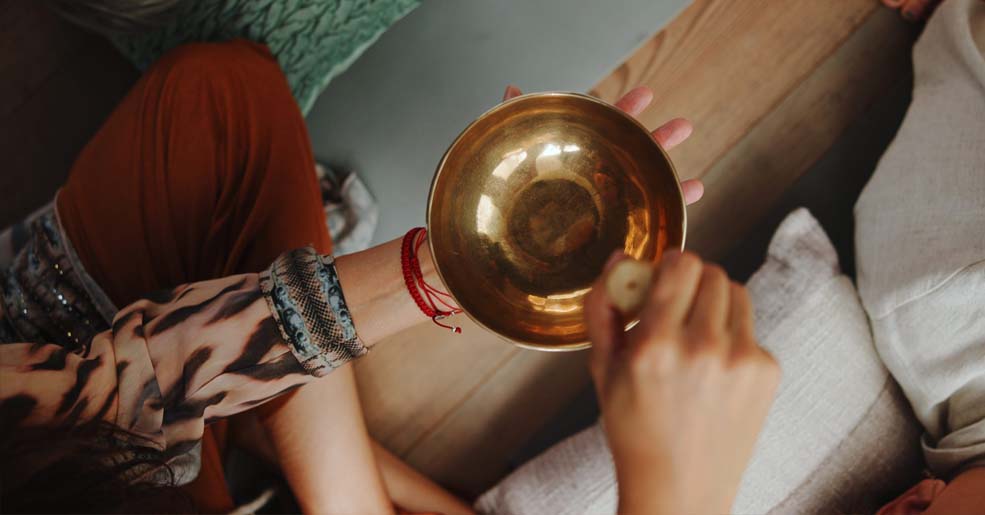
Here is something most sound healing guides never tell you: the quality of the instruments used in a session directly determines the therapeutic quality of the experience — regardless of how skilled the practitioner is. A genuinely experienced sound healer using cheap, machine-made or mass-produced bowls will produce a fundamentally inferior session compared to a practitioner using quality handmade Himalayan instruments. The acoustic complexity that drives the neurological and physiological effects of sound healing simply cannot be produced by a machine-pressed bowl.
Understanding instrument quality is not about being elitist. It is about understanding the mechanism by which sound healing actually works — and ensuring the practitioner you are booking has invested in instruments capable of producing those effects.
Handmade vs Machine-Made Singing Bowls
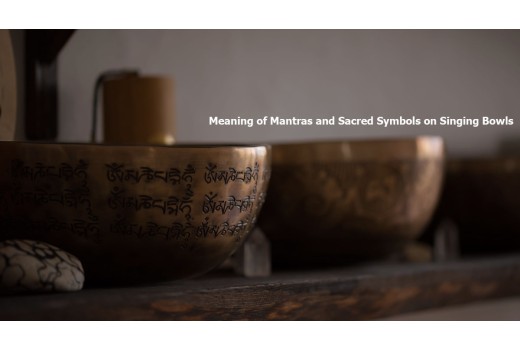
A genuine handmade Himalayan singing bowl is shaped through hundreds of individual hammer strikes on heated seven-metal alloy. Each strike introduces a slight asymmetry into the metal's structure — and these accumulated asymmetries produce the complex, continuously evolving overtone series that gives a quality singing bowl its therapeutic acoustic character. The brain's auditory cortex tracks these complex, unpredictable overtones — suppressing the Default Mode Network (the neural system responsible for rumination and anxiety) and activating the parasympathetic nervous system in the process.
A machine-made or cast bowl produces a simpler, more uniform tone. The brain resolves it quickly and moves on. The sustained acoustic engagement that drives the deepest therapeutic effects of sound healing simply does not occur with uniform, mass-produced instruments — regardless of how pleasantly they sound to the untrained ear.
Instrument Questions to Ask Your Sound Healer
- Are your singing bowls handmade or machine-made?
- Where do your singing bowls, gongs and tingshas come from — Nepal, India, or a wholesale catalogue?
- Are any of your bowls antique? If so, how were they sourced?
- Do you use Full Moon singing bowls? If so, where were they forged?
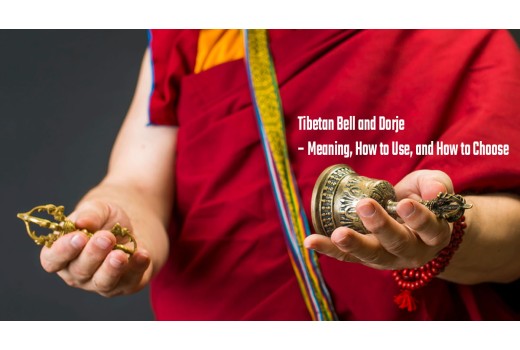
- What other instruments do you use — tingshas, gongs, bell and dorje?
- Can you describe the difference between your different bowls and why you chose each one?
✅ Green Flag
The practitioner speaks specifically and knowledgeably about their instruments — type, size, origin, provenance and acoustic character. They source from Nepal-based suppliers with known artisan provenance. They can explain why each instrument in their collection was chosen for the specific work they do.
Red Flag
Unable to say where their bowls came from or whether they are handmade. Instruments that look too uniform, too identical, or too perfect — clear signs of machine production. No knowledge of instrument types, acoustic properties or provenance.
Every instrument at Dharma Tool is personally selected by Sunita — certified sound healer, meditation practitioner and founder — born in the Himalayas
Sunita has spent years working directly with clients in sound therapy, chakra balancing and Tibetan healing practice. She selects every singing bowl, gong, tingsha and bell and dorje at Dharma Tool with the same knowledge and intention she brings to her own healing sessions. Her certifications, training background and healing philosophy are available in full on the healer-selected page — the transparency you should expect from every sound healing practitioner you consider booking.
5. Contraindications — A Responsible Sound Healer Always Screens Before the Session
One of the clearest signs of a professional, properly trained sound healer is that they ask about your health history before your first session. This health screening is not optional — it is fundamental to the safe practice of sound healing therapy. Sound healing produces real physiological effects and certain medical conditions require significantly modified approaches or make specific types of sound work contraindicated entirely.
If a sound healer or sound bath facilitator does not ask about your health history before beginning — do not proceed.
Medical Conditions to Disclose Before Any Sound Healing Session or Sound Bath
- Epilepsy or seizure disorders: Strong vibrational stimulation — particularly from large gongs, large standing singing bowls, or head therapy bowl placement — can in rare cases trigger neurological responses in individuals with seizure disorders. A responsible sound healer will significantly modify their approach for any client with this history.
- Recent head injury or concussion: Direct bowl placement near the head is contraindicated for a minimum of six to eight weeks following any head injury. The cranial structures are still healing and additional vibrational stimulation is inappropriate during this period.
- Pregnancy: Sound bath work at a distance is generally considered safe during pregnancy. However, direct body placement of large bowls should be avoided, and certain high-intensity instruments — particularly large gongs — should be used with caution or not at all in proximity to pregnant clients. For a complete guide to sound healing during pregnancy, see Sound Medicine & Singing Bowl Healing During Pregnancy.
- Metal implants in the head or neck: Surgical plates, screws or other implants in the cranial or cervical region are a contraindication for direct bowl placement near those areas. Sound bath work at a safe distance remains appropriate.
- Pacemaker or implanted cardiac device: The vibroacoustic effects of direct bowl placement on the chest are contraindicated for clients with pacemakers or other implanted cardiac devices. Distance sound bath work requires careful acoustic intensity management.
- Severe tinnitus: The volume and physical vibration of a large singing bowl near the ear can temporarily exacerbate tinnitus in sensitive individuals. The sound healer should ask about this and adjust positioning and intensity accordingly.
- Active mental health crisis: Working with clients in acute mental health distress — including active psychosis, severe dissociation, or acute trauma — requires specific trauma-informed sound healing training that goes beyond standard certification. Ask specifically about trauma-informed practice if this is relevant to your situation.
- Recent surgery: Surgical sites — particularly abdominal, thoracic or cranial — should not receive direct vibrational stimulation for at least six to eight weeks following surgery. A responsible sound healer will ask about recent surgeries and avoid those areas entirely.
- Heavy medications affecting consciousness: Strong sedatives, pain medications, or other drugs that significantly alter cognitive function can interact unpredictably with the deep altered states sound healing produces. The sound healer should know about all medications before beginning.
- Active chemotherapy or radiation treatment: While sound healing can be supportive during cancer treatment, the intensity and placement must be carefully managed. A sound healer working with clients undergoing active treatment needs specific training in oncology support practices.
Common Questions About Sound Healing Safety
Can I bring my child to a sound bath or sound healing session?
Some practitioners welcome children in their sound baths, while others run age-restricted sessions. More importantly, children respond very differently to sound and vibration than adults — and working safely with children requires specific understanding of their developing nervous systems. Before bringing a child to any session, read the complete guide: Are Singing Bowls Safe for Children? Safety, Sensitivity, and What Parents Should Know.
Can I bring my pet to a sound healing session?
Dogs, cats and other pets are extremely sensitive to sound and vibration — far more sensitive than humans in many cases. While some practitioners offer pet-friendly sessions, most standard sound baths are too intense for animals and their presence can be disruptive to other participants. Before considering bringing a pet to any session, read the full guide: Singing Bowls and Pets: How Dogs and Cats React to Sound and Vibration.
✅ Green Flag
A health intake form sent before your first appointment, or detailed verbal health screening before the session begins. Demonstrated knowledge of contraindications. Willingness to modify or postpone a session based on your health history.
Red Flag
No health screening whatsoever. Bowl placement directly on the body without any health history questions. Dismissing contraindication concerns with "sound is always safe for everyone." These are not signs of wisdom — they are signs of insufficient training.
6. The Session Space — Environment Is Part of the Therapy
The physical environment of a sound healing session or sound bath directly affects the quality of the acoustic experience, the safety of the container, and the degree to which you can genuinely surrender to the practice. A quality sound healer takes their space as seriously as their singing bowls, gongs and tingshas.
- Acoustic quality: Bare walls and hard floors create harsh reverb that diminishes the quality of singing bowl and gong tones. Look for spaces with some degree of acoustic softening — rugs, fabric hangings, plants and cushions that allow sound to resonate cleanly.
- Privacy and noise isolation: External noise — traffic, neighbouring businesses, other clients — interrupts the deep nervous system relaxation that effective sound healing requires. A professional sound healing space takes acoustic isolation seriously.
- Temperature: Body temperature drops during deep parasympathetic relaxation. A responsible sound healer ensures the space is warm and provides blankets. A cold session space works directly against the state the session is designed to create.
- Hygiene of shared items: In group sound baths, mats, blankets and props are shared between clients. Ask how frequently these are cleaned. This is a basic professional standard of any therapeutic practice.
- Instrument arrangement: A thoughtfully arranged instrument setup — gong at the correct distance from participants, singing bowls within easy practitioner reach, tingshas and bell and dorje positioned for ceremonial opening and closing, space to move freely between instruments — reflects a practitioner who has planned their session structure carefully.
7. Know What to Expect — Before, During and After
A professional sound healer prepares their clients thoroughly before the session, supports them attentively during it, and guides them clearly through integration afterward. If a practitioner cannot explain what you will experience and what to do after the session, they have not yet developed the full professional competency that sound healing therapy requires.
Before Your Sound Healing Session or Sound Bath
- Wear loose, comfortable clothing — nothing that restricts breathing or circulation. Sound healing works best when the body is completely at physical ease.
- Avoid a heavy meal for at least two hours — active digestion competes with the parasympathetic state the session is designed to produce.
- Limit caffeine on the day of the session — caffeine keeps the sympathetic nervous system activated and significantly reduces the depth of relaxation achievable in a sound bath or sound healing session.
- Arrive five to ten minutes early — settling quietly before the session begins allows the nervous system to start its transition from the activity of the day to the receptivity the session requires.
- Set a simple open intention — not a specific outcome or expectation, but a quality of experience you would like to invite. The practitioner may ask about this at the opening of the session.
During the Session
- You do not need to do anything except receive — sound healing requires no technique, focus or effort on your part. The sound does the work. Your role is simply to allow it.
- Emotional responses are completely normal — tears, laughter, involuntary movements, vivid imagery, strong physical sensations and unexpected emotions are all within the normal range of sound healing responses. They are signs of release, not signs of something going wrong.
- Falling asleep is acceptable — the body continues to receive and process vibrational input even during sleep. Many clients report that their most significant integration happens in sessions where they fell asleep.
- You can stop at any time — a responsible sound healer makes this explicit before beginning. You are always in control of your experience.
After Your Sound Healing Session or Sound Bath
- Drink water — sound healing mobilises the body's natural detoxification processes. Adequate hydration after a session supports this and reduces the mild fatigue some clients experience.
- Allow integration time — avoid demanding commitments immediately after a session. A quiet walk, gentle rest or journalling supports the integration process.
- Effects may continue for 24 to 72 hours — many clients report that the most significant shifts occur in the days following a session, not immediately. This is the integration period — when the body and nervous system process and incorporate the work at a deeper level.
8. Sound Bath vs Sound Healing Session vs Gong Bath — Know What You Are Booking
These terms are used interchangeably across the wellness industry — but they describe meaningfully different experiences. Knowing exactly what you are booking helps ensure you get what you are actually looking for.
Sound Bath
A group sound healing experience where participants lie on mats while a practitioner plays singing bowls, tingshas and other instruments to create an immersive acoustic environment. Passive, accessible to most people, excellent for stress reduction, nervous system regulation and general relaxation. The most widely available format of sound healing experience.
Sound Healing Session (One-to-One)
A specifically therapeutic individual session where the sound healer assesses your state, uses targeted chakra-tuned singing bowls, may place instruments on or near your body, and structures the entire session around your specific presenting needs. More personalised and therapeutically precise than a group sound bath. Appropriate for those working with specific physical, emotional or energetic challenges.
Gong Bath
A sound bath where the primary instrument is a large Tibetan gong — producing broad-spectrum, expanding acoustic waves that fill the room more completely and at greater intensity than singing bowls alone. More intense and immersive than a singing bowl sound bath. Requires a practitioner with specific gong training beyond general sound healing certification.
Vibroacoustic Sound Therapy
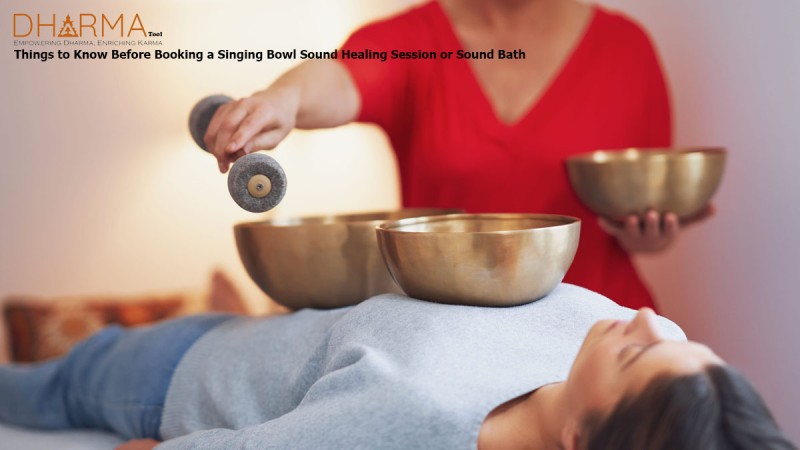
A specialised format where singing bowls — particularly large, thick-walled Jhumka bowls or large standing singing bowls — are placed directly on or near the body to deliver physical vibration through tissue. The most directly physiological format of singing bowl therapy, requiring specific training in body placement, contraindications and vibroacoustic technique.
9. The Complete Pre-Booking Checklist
Use these questions when evaluating any sound healer, sound bath facilitator, gong bath practitioner, or singing bowl therapy provider. A practitioner who cannot answer them clearly is not yet ready to hold your healing experience.
- Where did you train in sound healing and who were your teachers?
- What sound healing certification do you hold and which body issued it?
- How many training hours and supervised client hours did your certification require?
- Do you hold professional indemnity insurance for sound healing sessions and sound baths?
- How many sessions and sound baths have you facilitated?
- What instruments do you use — singing bowls, gongs, tingshas, bell and dorje — and where do they come from?
- Are your singing bowls handmade or machine-made?
- Do you conduct a health intake or screening before the first session?
- What contraindications would prevent you from working with a client?
- What happens if a client becomes distressed during a session?
- How do you structure a sound healing session or sound bath from beginning to end?
- What do you advise clients to do in the hours after a session?
10. Trust Your Own Response — The Final Indicator
After all the research, all the questions and all the checklist items — trust your own felt response to the practitioner as a human being. A genuinely skilled, trustworthy sound healer makes you feel safe, informed and cared for before the session begins. They answer your questions without defensiveness. They make it clear you are always in control. They treat your health history with appropriate discretion and care.
If a sound healer makes your questions feel unwelcome, suggests you should simply trust them without understanding what you are agreeing to, or implies their approach is too sacred or specialised to explain clearly — these are not signs of depth or mystery. They are signs of a practitioner who has not yet developed the professional transparency that genuine healing work requires.
The best sound healers — the ones whose sessions produce real, lasting shifts in their clients' nervous systems and lives — are not mysterious. They are deeply knowledgeable, completely transparent, and absolutely confident in the value of what they offer because they understand it well enough to explain it clearly to anyone who asks. That combination of depth and clarity is what you are looking for. When you find it, the session will be worth every penny.
If you are a practitioner yourself — looking for quality singing bowls, gongs, tingshas or bell and dorje sets selected with the same standard of knowledge and intention — see the Dharma Tool healer-selected page to understand how Sunita approaches the selection of every instrument in the collection.
Building your sound healing practice? Start with instruments selected by a certified healer who understands exactly what they need to do
Every singing bowl, gong, tingsha and bell and dorje at Dharma Tool is personally selected by Sunita — certified sound healer and meditation practitioner — with the same care and knowledge she brings to her own client work. Handmade singing bowls, Full Moon bowls, antique old collected bowls, Jhumka thick-walled bowls, chakra sets, large standing singing bowls and Tibetan gongs — all sourced directly from artisan workshops in Thamel, Kathmandu. View Sunita's full credentials and healing philosophy on the healer-selected page.
Frequently Asked Questions
What should I look for when booking a sound healing session or sound bath?
Look for a practitioner with formal training from a recognised body such as the Vibrational Sound Association (VSA), International Sound Therapy Association (ISTA) or International Institute for Complementary Therapists (IICT), minimum two to three years of active client experience, professional indemnity insurance, genuine handmade Himalayan singing bowls sourced from Nepal, quality Tibetan gongs and tingshas, and a thorough health screening process before sessions. A sound healer who answers specific questions about their training, instruments, certification and approach with clarity and confidence is demonstrating the professional standard that sound healing therapy deserves. See how Sunita of Dharma Tool approaches instrument selection as a certified healer at the healer-selected page.
Do sound healers and sound bath facilitators need to be certified?
Sound healing and sound therapy are legally unregulated in most countries — no certification is legally required to offer sessions or sound baths. This makes recognised certification one of the most important voluntary indicators of professional commitment and training depth. Certification programmes from the Vibrational Sound Association, ISTA or IICT that include supervised client practice hours, contraindication training, and anatomy basics produce significantly safer and more effective practitioners than those with no formal training. Always ask about certification before booking any sound healing session, sound bath or gong bath.
What is the difference between a sound bath, sound healing session and gong bath?
A sound bath is a group experience where participants lie on mats while a practitioner creates an immersive acoustic environment with singing bowls, tingshas and other instruments — passive, accessible and excellent for stress reduction and nervous system regulation. A sound healing session is a specifically therapeutic one-to-one experience where the sound healer structures the session around your individual needs, using chakra-specific singing bowls and potentially body placement. A gong bath is a specific format of sound bath where the primary instrument is a Tibetan gong — more intense and immersive than singing bowl-focused sessions, requiring specific gong training from the facilitator.
What should I do to prepare for a sound healing session or sound bath?
Wear loose comfortable clothing, avoid a heavy meal for at least two hours beforehand, limit caffeine on the day of the session, arrive five to ten minutes early to settle, and set a simple open intention. Bring a blanket if the venue does not provide one — body temperature drops during deep relaxation and staying warm supports the parasympathetic nervous system state that effective sound healing creates.
What are the contraindications for sound healing and sound baths?
Contraindications for sound healing sessions and sound baths include epilepsy or seizure disorders, recent head injury or concussion within six to eight weeks, metal implants in the head or neck, pacemakers or implanted cardiac devices, severe tinnitus, recent surgery (particularly abdominal, thoracic or cranial within 6 to 8 weeks), heavy medications affecting consciousness, active chemotherapy or radiation treatment, and acute mental health crisis requiring trauma-informed specialist care. Pregnancy requires a modified approach — sound bath work at distance is generally safe but direct body placement with large bowls and exposure to high-intensity gong work should be avoided. Children and pets have unique sensitivities covered in dedicated guides. Always disclose your complete health history to the sound healer before your first session.
How do I know if the singing bowls and gongs being used in a session are good quality?
Ask directly: are your singing bowls and gongs handmade or machine-made? Where do they come from? A quality sound healer uses genuine handmade Himalayan singing bowls and Tibetan gongs — hand-forged from the traditional seven-metal alloy by skilled artisans in Nepal, India or Tibet. These produce the complex, continuously evolving overtone series that drives the neurological and physiological effects of sound healing. Machine-made or cast instruments produce a simpler, more uniform tone that lacks this acoustic complexity. A practitioner who cannot answer this question is not selecting their instruments with the care that quality sound healing requires. Dharma Tool's entire collection of singing bowls, gongs, tingshas and bell and dorje sets is selected by certified sound healer Sunita with precisely this standard of knowledge — view her selection criteria and credentials at the healer-selected page.