




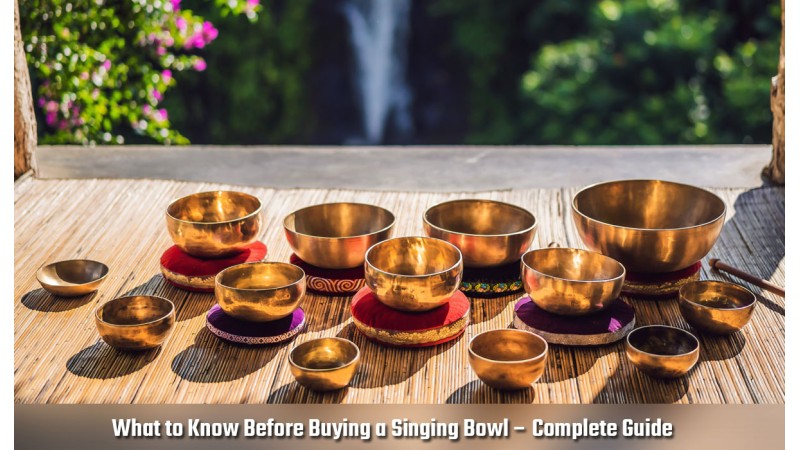
Choosing a Singing Bowl for Meditation, Wellness, and Daily Practice
Buying a singing bowl—whether a traditional Tibetan singing bowl or a handmade singing bowl—is a thoughtful process that goes beyond appearance or description. When you buy a singing bowl online, you are choosing a tool meant to support meditation, mindfulness, and wellness practice over time.
This guide explains what truly matters before buying a singing bowl, including purpose, bowl types, chakra association, spiritual symbolism, and how to recognize a quality Tibetan singing bowl suited to your practice. You will also find a practical size guide that explains which bowl sizes are commonly chosen for personal practice, therapy settings, massage work, and larger standing bowls.
Quick Overview: What This Guide Covers
| Topic | Focus |
|---|---|
| Purpose & Intention | Choosing a bowl based on how you practice |
| Singing Bowl Types | Handmade, hand-casted, and crystal bowls |
| Sound & Vibration | How bowls support meditation through presence |
| Symbols & Chakras | Meaning, focus, and personal connection |
| Size & Use | Which bowl sizes are chosen for meditation, therapy, massage, and standing practice |
| Buying Online | How to identify a quality Tibetan singing bowl |
| Why Dharma Tool | Guidance, customization, and responsible sourcing |
Understanding Your Purpose Before Buying a Singing Bowl
The most important step before choosing a singing bowl is understanding why you want one. Singing bowls are used across meditation, yoga, spiritual ritual, wellness sessions, and personal mindfulness practices. Each purpose places different demands on the bowl.
A bowl chosen for quiet daily meditation may differ from one intended for group practice or a wellness setting. When purpose is clear, other decisions—such as size, style, and symbolism—become much easier.
If you are new to the tradition, learning about the cultural and spiritual background of Tibetan singing bowls can help ground your choice. Our Tibetan Singing Bowl Information page offers a deeper understanding of their traditional role.
Types of Singing Bowls and How They Are Made
Singing bowls are made using different methods, and understanding these differences is essential when buying online.
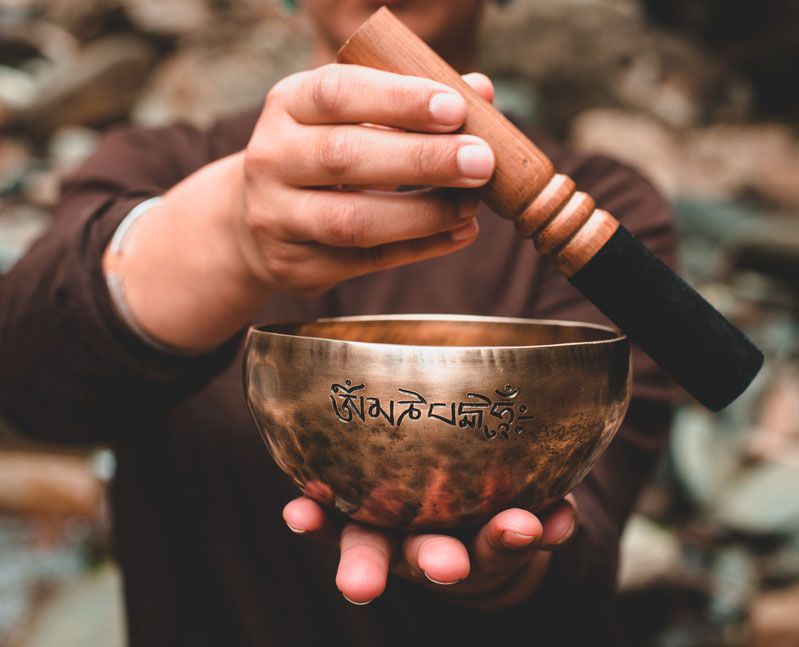
Handmade Tibetan singing bowls are traditionally hand-hammered by artisans in Nepal and the Himalayan region. Each bowl is shaped gradually, resulting in natural variation and a form suited for long-term meditation and ritual use.
Hand-casted singing bowls are produced using molds. They tend to have a uniform appearance and are often chosen for decorative or light-use purposes rather than traditional practice.
Crystal singing bowls are a modern instrument made from quartz crystal. They are commonly used in contemporary wellness environments but require careful handling and controlled spaces due to their fragility.
For a detailed explanation of these differences, visit our guide on Types of Singing Bowls.
Handmade Tibetan Singing Bowls Compared to Crystal Bowls
Many buyers compare Tibetan singing bowls with crystal bowls when exploring sound-based meditation tools. Both are used in wellness settings, but they serve different needs.
Handmade Tibetan singing bowls are valued for their durability, versatility, and historical use across spiritual traditions. They are well suited for daily practice, travel, and varied environments.
Crystal bowls, while visually striking, are more fragile and typically used in controlled indoor settings. For practitioners seeking a flexible and long-lasting meditation tool, a quality Tibetan singing bowl is often the preferred choice.
Handmade vs Hand-Casted Singing Bowls
The distinction between handmade and hand-casted singing bowls lies in the crafting process. Handmade bowls are shaped individually through repeated hammering, while hand-casted bowls are formed using molds.
For spiritual and wellness practice, handmade singing bowls are generally chosen for their traditional craftsmanship and practical reliability. Hand-casted bowls may suit decorative or introductory purposes but are less commonly used for long-term practice.
The Role of Sound and Vibration in Singing Bowl Practice
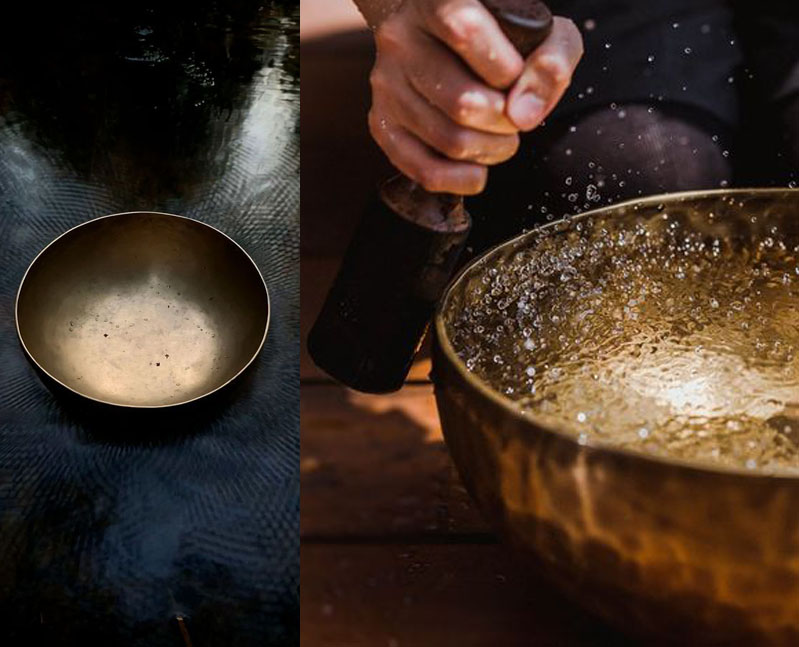
Sound and vibration are at the heart of singing bowl practice, but their role is often misunderstood. In meditation and wellness traditions, sound is not used to entertain or overwhelm the senses. Instead, it acts as a gentle anchor for attention.
When a singing bowl is played, vibration travels through the air and into the body. This vibration can be felt as much as it is heard, helping practitioners shift focus away from constant thinking and toward present awareness. In this way, sound becomes a support for stillness rather than a distraction.
It is important to understand that singing bowls do not create meditation on their own. Sound and vibration simply provide a rhythm and reference point that encourages calm listening. The depth of practice still comes from breath, intention, and mindful presence.
Whether using a Tibetan singing bowl, a handmade singing bowl, or another type, the purpose of sound remains the same: to guide attention gently and consistently back to the present moment.
Do Mantras and Etchings Matter on a Singing Bowl?
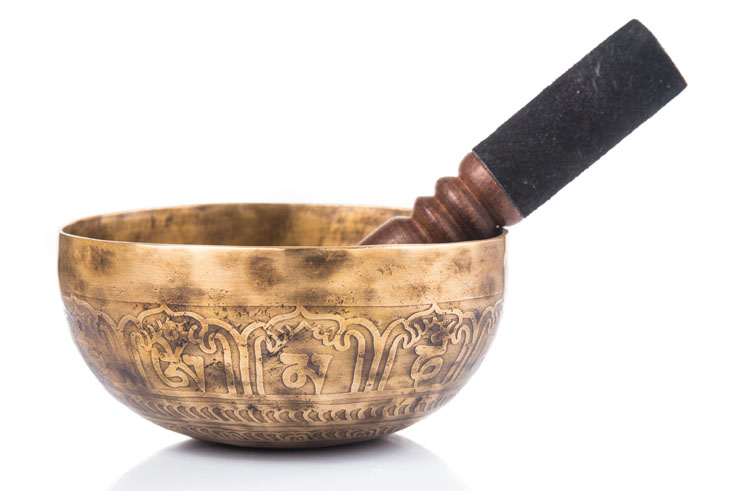
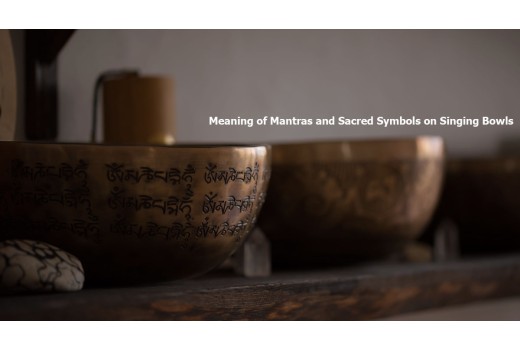
Mantras, symbols, and sacred etchings are meaningful elements in many spiritual traditions. For some practitioners, these markings help set intention and create a sense of connection during meditation or ritual practice.
Others prefer plain bowls to keep focus on breath, awareness, and simplicity. Both approaches are valid. In spiritual and wellness practice, meaning matters—but it should support practice, not replace it.
Chakra Association and Singing Bowl Selection
Chakras are often associated with singing bowls as a way to guide focus during meditation. Chakra labeling is best understood as a reference rather than a fixed rule.
One singing bowl can be used across multiple chakras depending on intention and practice. Beginners do not need a full chakra set to begin meaningful meditation.
To explore chakra associations in more depth, you can visit our Chakra & Note Information page.
For educational reference, the Singing Bowl Frequency & Notes Analyzer can help users understand tonal relationships without replacing mindful practice.
Choosing Singing Bowl Size Based on Practice and Use
Size is one of the most practical factors when buying a singing bowl online. Instead of thinking only in terms of chakra labels, it is more helpful to choose a size based on how you plan to use the bowl and where you will practice.
| Bowl Size (General) | Common Uses | Best For |
|---|---|---|
| Small (about 3–5 inches) | Short personal sessions, travel use, altar use, daily mindfulness | Beginners who want something easy to handle and consistent for simple practice |
| Medium (about 6–8 inches) | Personal meditation, yoga sessions, home wellness practice | Most people buying their first handmade Tibetan singing bowl online |
| Large (about 9–12 inches) | Deeper grounding, longer sessions, small groups, studio use | Practitioners who want stronger presence in the room and steady, immersive practice |
| Extra Large (about 13 inches and above) | Group meditation, sound bath style sessions, ceremonial use | Facilitators, studios, or those building a dedicated space for practice |
Size ranges vary slightly across makers. The goal is not to chase a “perfect” number, but to choose a bowl that fits your practice space and feels comfortable to use regularly.
Singing Bowls for Therapy, Massage, and Larger Standing Bowls
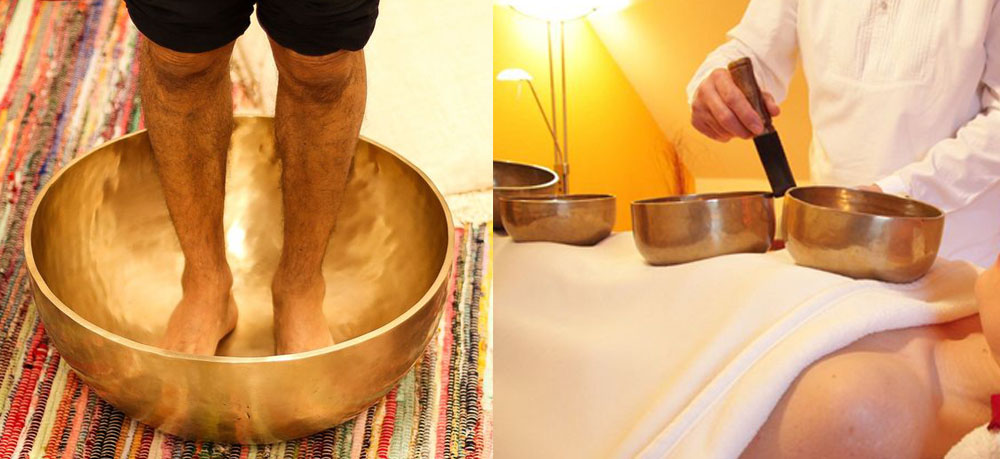
Some buyers look for singing bowls for specific wellness settings such as head-focused relaxation sessions, massage work, or full-body vibration practices. In these cases, bowl size and stability become especially important.
Singing bowls for head-focused relaxation sessions are commonly chosen in medium sizes because they are easy to control and place near the upper body during a session. The focus is on gentle presence and calm listening rather than intensity.
Singing bowls for massage and bodywork are usually larger and heavier, as they need to sit stable and feel grounded in the space. Practitioners often prefer bowls that feel solid and consistent during repeated use in a therapy setting.
Larger standing singing bowls are typically extra-large bowls designed to be used on a cushion or stand. These are chosen when the intention is deep space-filling vibration for group practice, long sessions, or a dedicated meditation room. If you are unsure how to describe your intended use, purpose-based guidance can help you choose the right style.
Choosing a Singing Bowl as a Gift
If you are buying a singing bowl as a gift, start with the receiver’s lifestyle and practice level. A bowl that is comfortable to handle and easy to use is often more meaningful than a bowl chosen only for decoration.
For gifts, mantras and etchings can be a beautiful choice when the receiver appreciates spiritual symbolism. Simple, widely respected symbols or short mantras are often preferred over overly complex designs if you are unsure of the person’s tradition.
If you would like a gift bowl to feel personal, customization is a thoughtful option—especially for engraving selection, meaningful symbols, or presentation preferences.
Buying a Quality Tibetan Singing Bowl Online
When buying a singing bowl online, clarity and transparency matter. Look for clear descriptions, ethical sourcing, and guidance based on real practice rather than exaggerated claims.
A quality Tibetan singing bowl is chosen for its practical use in meditation and wellness, not for promises of instant results. When the seller explains how the bowl is made, where it comes from, and what it is best suited for, the buying process becomes far more trustworthy.
When to Choose a Complete Chakra Healing Singing Bowl Set
Some practitioners prefer to begin their journey with a complete set of singing bowls designed to correspond with the chakra system. A chakra healing set can be especially helpful when your intention is focused on exploring energy centers with structured practice, group work, or guided meditation sessions.
/professionally-tuned-tibetan-singing-bowl-set-7_2-1100x744w.jpg.webp)
A complete chakra set typically includes bowls sized to represent the range of notes traditionally associated with each chakra. While one well-selected singing bowl is sufficient for many personal routines, a full set can offer a broader experience for those who want to explore specific vibrational patterns across the body or share sound experiences with others.
If you feel drawn to work with multiple chakras in a dedicated way—such as during yoga classes, sound baths, or focused meditation cycles—a chakra set may support that intention more effectively than a single bowl alone.
Explore a curated selection of chakra healing singing bowl sets here: Complete Chakra Healing Singing Bowl Sets.
Words from the Professional Healer – Sunita Poudel
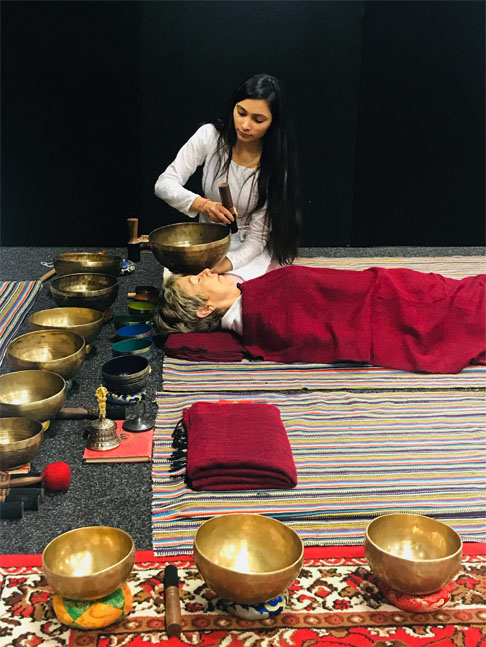
In sound-based meditation and wellness practice, guidance often comes not from rules, but from lived experience. Sunita Poudel, a professional singing bowl healer working closely with Dharma Tool, shares this reflection:
“A singing bowl is not something to be collected or perfected. It is something to be met with presence. When intention is clear and practice is honest, even a simple handmade Tibetan singing bowl becomes enough. Sound supports awareness, but awareness is what transforms the practice.”
These words reflect the heart of spiritual and wellness practice—where the singing bowl serves as a companion to mindfulness, not a promise of instant results.
Why Choose a Singing Bowl from Dharma Tool
Dharma Tool is guided by traditional understanding and real-world practice. The platform is run with input from a professional singing bowl healer, ensuring bowls are selected for genuine meditation and wellness use.
We offer customization options, purpose-based guidance, and ethically sourced handmade Tibetan singing bowls from the Himalayan region. Our focus is honesty, clarity, and long-term practice rather than trends or overstatement.
Choosing a singing bowl from Dharma Tool means choosing experience, intention, and respect for tradition.
Can’t Find the Singing Bowl You’re Looking For?
If you don’t see the right Tibetan singing bowl for your practice, you can request a custom singing bowl based on your purpose, size preference, chakra focus, and design choice.
Request a Custom Singing Bowl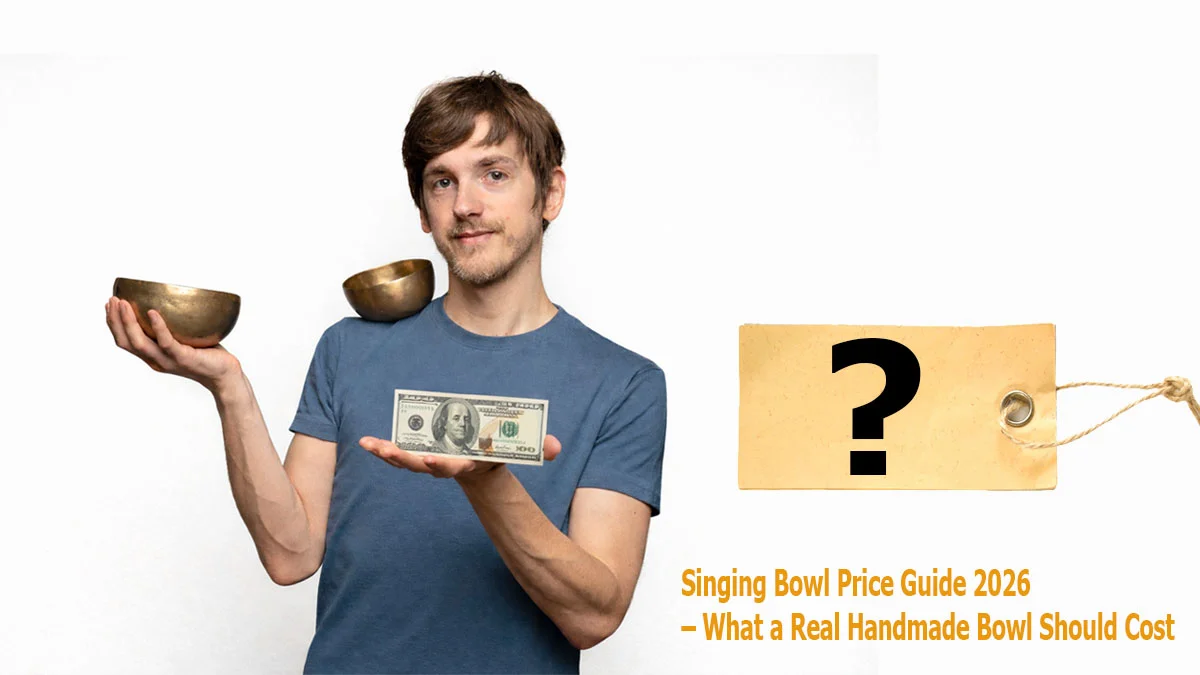
Singing Bowl Price Guide 2026 – What a Real Handmade Singing Bowl Should Cost
Not sure how much a real Tibetan singing bowl should cost? This detailed guide explains pricing, materials, craftsmanship, and what makes a handmade Himalayan singing bowl truly valuable.