




Singing Bowl Price Guide 2026 – How Much Should You Pay for a Real Handmade Singing Bowl?
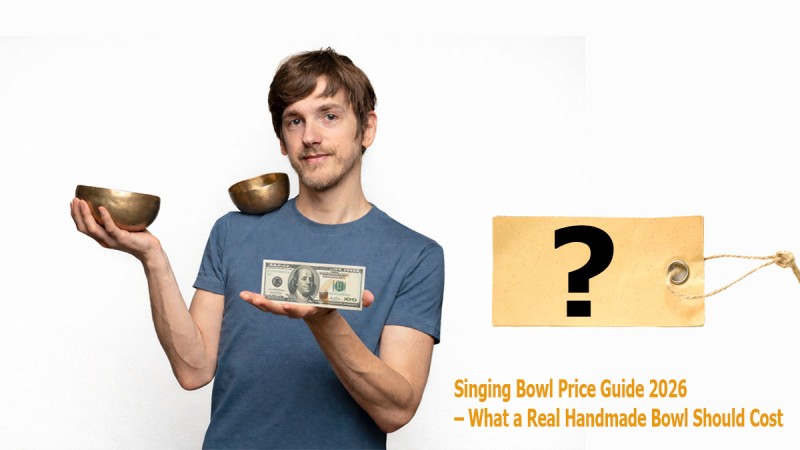
If you have ever searched for a singing bowl , you have probably asked yourself one simple question: why does one bowl cost $30 while another costs $300, or even $1500 and above?
At first glance, many bowls can look similar. They may have the same size, the same shape, and even a similar finish. But the moment you play them, the difference becomes clear. Some bowls produce a deep, smooth vibration that feels calming and alive. Others only make a short metallic sound and fade quickly.
That difference is where the real value comes from. In 2026, singing bowl prices are influenced by more than appearance alone. Craftsmanship, raw material cost, sound quality, rarity, artwork, and careful selection all play a role. This guide will help you understand what you are really paying for so you can choose a bowl based on experience, not just looks.
Looking for a real handmade singing bowl from Nepal?
Explore carefully selected bowls chosen for sound, vibration, and quality.
Singing Bowl Price Overview in 2026
A simple way to understand the market is to look at the common price ranges buyers see today.
$20–$50 usually covers hand-casted bowls made using molds, often with a basic sound.
$50–$150 is where you often find basic handmade bowls.
$150–$400 usually includes fully hand-hammered bowls with better tone and vibration.
$400–$1500 often covers premium handmade bowls, chakra sets, and larger bowls.
$1500+ is common for large, standing, rare, or professional-grade singing bowls.
Lower-priced bowls are often chosen for decoration or casual use. Higher-priced bowls are usually valued for deeper vibration, stronger resonance, and the effort involved in selecting a better-sounding bowl.
Raw Material Cost Also Affects Singing Bowl Price
One important factor many buyers overlook is the cost of raw materials. Singing bowls are made from bronze or mixed alloys, and the price of metal has changed over time. In recent years, metal costs, labor costs, shipping costs, and export costs have all increased.
That means a bowl made today may naturally cost more than a similar bowl produced years ago. Even if two bowls look almost the same, the newer one may be more expensive simply because the material and production cost is higher.
This is one reason why singing bowl prices in 2026 are not the same as older price references people may still see online.
What Actually Determines the Price of a Singing Bowl

There is no single reason behind the price of a singing bowl. It usually comes from a combination of craftsmanship, sound quality, raw material cost, size, rarity, artwork, and selection.
Craftsmanship
A handmade singing bowl requires time, labor, and skill to shape properly. The bowl must be worked carefully to achieve the correct form, balanced wall thickness, and stable resonance. This process cannot be rushed.
Sound Quality and Vibration
This is often the most important factor. A better bowl usually gives longer sustain, a smoother tone, and a more stable vibration that can actually be felt. A lower-quality bowl may still look nice, but it often sounds flat, harsh, or weak when played.
Size and Weight
Larger bowls generally cost more because they require more material and more effort to produce. They also tend to produce deeper tones and broader vibrations. Still, size alone does not define value. A smaller bowl with excellent sound can be more valuable than a larger bowl with poor resonance.
What Really Determines the Value of a Singing Bowl
Most first-time buyers focus on size, design, or appearance. But experienced users usually care more about one thing: how the bowl sounds and feels when played.
The real value of a singing bowl is not just in its shape or shine. It comes from the quality of the sound, the smoothness of the vibration, and the care taken in selecting the right bowl.
Insight from Sound Healer Sunita Poudel
As sound healer Sunita Poudel explains:
“A 4-inch hand-casted singing bowl may cost around $30. But if you find another 4-inch bowl that truly matches your preferred sound, with deep vibration and balanced tone, you would easily pay $300 for that same size bowl.”
That is the reality of singing bowls. Two bowls can look almost identical, yet feel completely different when played. One may feel rich, grounding, and calming. The other may feel flat and forgettable. Once someone hears the right bowl, price often becomes secondary.
Why Selection Matters More Than Most Buyers Realize
Not every bowl is equal, even when it is handmade. Among many bowls of similar size and appearance, only some will have a balanced tone, long sustain, and smooth vibration.
Choosing those bowls takes time, patience, and experience. This selection process is one of the hidden factors behind price. It is also one of the reasons a seller who understands sound can offer more value than a seller who only lists bowls by size and appearance.
Looking for bowls selected for sound, not just appearance?
Browse our Handmade Singing Bowls and find bowls chosen for tone and vibration.
Cheap vs Handmade Singing Bowl
A cheaper bowl may look attractive at first, but the sound is often basic. A properly made handmade bowl may not always look perfect in a decorative sense, but it usually offers a deeper and more satisfying sound experience.
If your goal is simple decoration, a lower-priced bowl may be enough. But if your goal is meditation, yoga, relaxation, or sound healing, the difference in quality becomes much more important.
Why Handmade Singing Bowls Cost More
A handmade singing bowl is not just shaped. It is refined. The process involves labor, experience, and judgment. The higher price is not only about the metal itself. It also reflects the effort behind creating a bowl with better sound and a more meaningful experience in use.
Large and Giant Singing Bowl Prices
Larger singing bowls belong to a higher price range because they require more material, more handling, and more work to produce.
12–16 inch bowls are often priced around $300–$800.
16–20 inch bowls are often priced around $800–$1500.
20 inch and above large or standing bowls can easily range from $1500–$3000+.
These bowls are often used in yoga studios, meditation centers, and sound healing sessions. They offer a broader and deeper vibration, but again, size alone does not guarantee value. The sound must still be right.
Why Full Moon Singing Bowls Are More Expensive
Full Moon Singing Bowls usually cost more than standard bowls for several reasons. They are not produced every day, and the production is naturally limited by the full moon cycle.
These bowls are traditionally made or completed during the full moon period, which means there is limited time for forging. Because of that, the number of bowls produced is smaller, and the number of bowls worth selecting is even smaller.
Their higher price is influenced by:
Limited production
Limited opportunities for selection
Traditional timing of forging during the full moon
Higher demand from buyers seeking something more exclusive
This is why Full Moon bowls are often seen as a premium category.
You can also explore our Full Moon Singing Bowls to understand this category better.
Does Artwork, Etching, and Carving Affect Price?
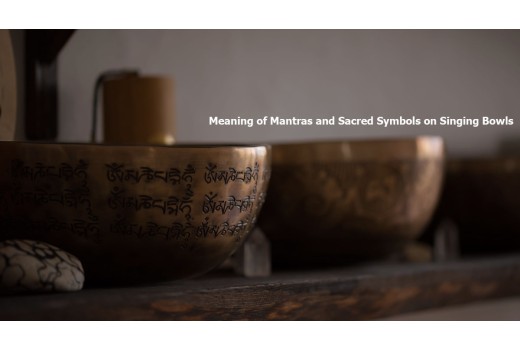
Yes, artwork can also increase the price of a singing bowl. Bowls with hand-etched mantras , chakra symbols, sacred geometry, deity artwork, or detailed carvings require extra labor and skill after the bowl itself is formed.
The more detailed the artwork, the more time is needed to complete it properly. That added effort contributes to the final price.
At the same time, buyers should understand an important point: artwork can affect appearance and price, but it does not automatically improve sound quality. A beautifully decorated bowl may still sound average, while a plain bowl may offer a much better experience in use.
Why Antique Singing Bowls Are Expensive
Antique singing bowls belong to a very different market. Their higher price is often driven by rarity, age, collectability, and limited availability.
These bowls are no longer being produced. They are collected, preserved, and passed through time. Because supply is limited, each genuine antique bowl can carry a unique value of its own.
Some antique bowls are also valued for their deep and unusual tone, but rarity itself is a major reason for the higher price.
To explore this category, visit our Antique and Collected Singing Bowls.
Interested in premium or rare bowls?
Explore our special collections, including Full Moon and Antique Singing Bowls.
How to Spot a Low-Quality Singing Bowl
Some bowls are made to look good rather than sound good. Be cautious if a bowl looks overly polished but has weak vibration, a harsh tone, or no clear information about its origin. A good singing bowl should feel stable, resonant, and calming when played.
Is an Expensive Singing Bowl Worth It?
That depends on your purpose. If you want better sound, stronger vibration, and long-term use, then a higher-quality bowl is often worth the higher price. If you only want something decorative, a lower-priced option may be enough.
What Price Range Should You Choose?
Beginners often start in the $50–$120 range.
Regular meditation users often choose bowls in the $100–$250 range.
Sound-focused users often look in the $200–$500+ range.
Professional or studio use often starts from $500 and can go well above $1500.
The best bowl is not always the most expensive one. It is the one that feels right when you play it.
Choosing Value Over Price
It is easy to focus only on price, especially when there are so many options online. But a singing bowl is not just something you look at. It is something you experience.
A cheap bowl that does not sound right will often feel disappointing no matter how attractive it looks. A well-selected bowl, even at a higher price, can feel right every time you use it.
In the end, the true value of a singing bowl is simple: it is not only about how it looks. It is about how it sounds, how it vibrates, and how it feels in real use.
Frequently Asked Questions
Why are some singing bowls so expensive?
Singing bowls can be expensive because of metal cost, skilled craftsmanship, sound quality, careful selection, rarity, larger size, and extra artwork such as etching or carving.
Do bigger singing bowls always cost more?
Generally yes, because they use more material and take more effort to produce. But size alone does not guarantee quality or better sound.
Why are Full Moon Singing Bowls more expensive?
They are made or finished during a limited time window around the full moon, which restricts production and selection. Their exclusivity also increases demand.
Does etching or carving increase the price?
Yes. Detailed artwork takes additional time and skill, so it can raise the price. However, it does not always mean the bowl will sound better.
Why are antique singing bowls expensive?
Antique bowls are rare, limited, and collectible. Their age and scarcity make them more valuable, and some are also appreciated for their unique tone.
What matters more, appearance or sound?
For real use in meditation, yoga, or healing, sound and vibration matter more than appearance. A plain bowl with excellent tone is often better than a decorative bowl with weak sound.
Buying Direct from Nepal? Read This First
Understanding the price of a singing bowl is only one part of the journey. The real value comes from knowing how to choose the right bowl based on sound, craftsmanship, and authenticity.
Most buyers focus only on price — but the real value of a singing bowl is in its sound, vibration, and purpose.

Things to Know Before Buying a Singing Bowl from Nepal – Complete Guide
Learn how to identify authentic handmade bowls, understand real pricing factors, and avoid common mistakes when buying from Nepal.
Read the Complete Buying Guide