




Things to Know Before Buying a Singing Bowl from Nepal – Complete Guide
Buying a singing bowl from Nepal can be a meaningful experience, especially if you are looking for authentic sound, traditional craftsmanship, and deeper vibration for meditation and healing. However, not all Tibetan singing bowls or Himalayan singing bowls are the same. Understanding how they are made, selected, and sold can make a significant difference in what you receive.
This guide will help you understand what truly matters before buying a handmade singing bowl from Nepal, so you can choose a bowl that delivers real sound quality and lasting value.

Authentic Origin and Craftsmanship
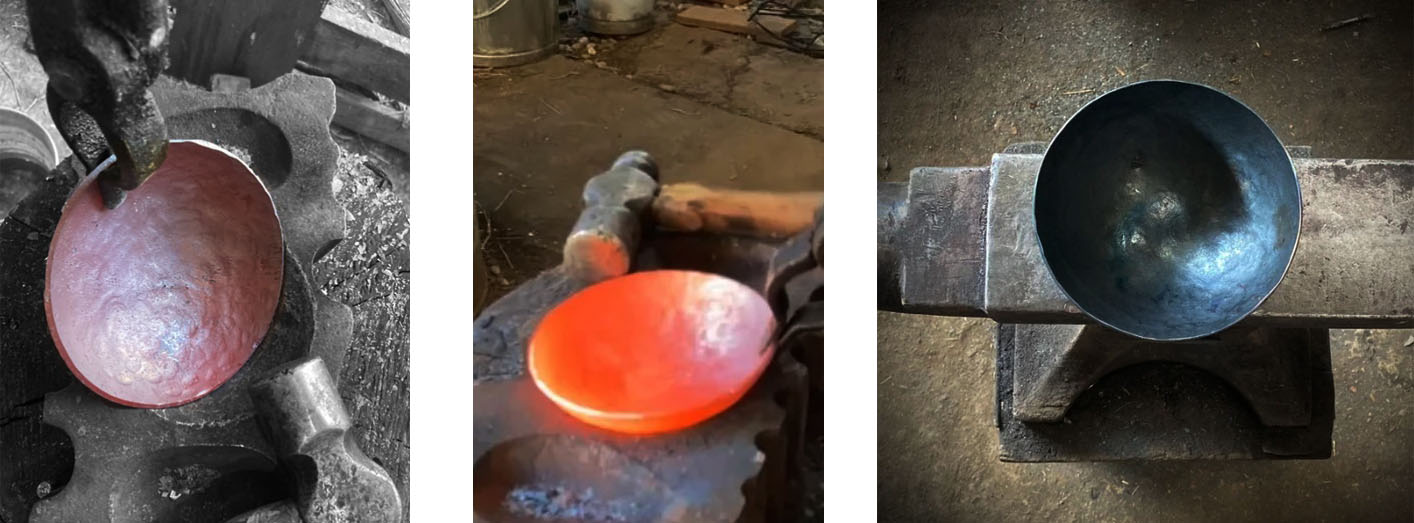
Most authentic Tibetan singing bowls and Himalayan singing bowls are made in Nepal by skilled artisans. These handmade singing bowls are created using traditional hand-hammering techniques passed down through generations.
A genuine handmade singing bowl will have slight variations in shape and finish, along with a unique tonal character. These variations are not flaws—they are signs of real craftsmanship and contribute to the depth of sound.
Compared to factory-made bowls, handmade singing bowls from Nepal offer richer vibration and longer resonance, making them ideal for meditation, sound healing, and mindfulness practices.
Handmade vs Machine-Made Singing Bowls
One of the most important things to understand when buying a singing bowl is the difference between handmade and machine-made bowls.
Handmade Singing Bowls
- Crafted by hand using traditional hammering techniques
- Produce complex tones and natural overtones
- Better suited for meditation and sound healing
Machine-Made Singing Bowls
- Produced using molds and factory processes
- Uniform appearance
- Often produce flatter and shorter sound
If your goal is sound healing or meditation, a handmade Tibetan singing bowl from Nepal is always the better choice.
Sound Quality Matters More Than Appearance
Two singing bowls can look almost identical but produce completely different sounds. The quality of a singing bowl should always be judged by its sound, not just its appearance.
A high-quality singing bowl should:
- Hold vibration for a long time
- Produce clear and stable tones
- Create a calming and balanced sound experience
Before buying, it is always recommended to listen to a real sound sample of the exact bowl. This is one of the most reliable ways to check quality.
Wholesaler vs Retailer – How Singing Bowls Are Selected
In Nepal, many singing bowls are sold in bulk by weight (per kilogram). This is common in wholesale markets.
Wholesale (Bulk by KG)
- Bowls are grouped and sold based on total weight
- No individual sound testing
- Mixed quality within the same batch
Retail (Handpicked Singing Bowls)
- Each bowl is tested individually for sound quality
- Only bowls with good resonance are selected
- Poor-quality bowls are filtered out
This means that even if bowls come from the same workshop, the final quality depends on how carefully they are selected.
Buying from Nepal vs Buying Locally
Where you buy your singing bowl plays a major role in the quality you receive.
Buying from Local Sellers
- Limited stock and selection
- Often sourced in bulk from Nepal wholesalers
- Not every bowl is individually tested
- Focus may be on availability rather than sound quality
Buying Singing Bowl Direct from Nepal
- Access to a wider range of handmade singing bowls
- Higher chance of receiving a handpicked quality bowl
- Sellers can provide real sound videos
- Better focus on sound, vibration, and authenticity
Sellers based in Nepal are also more careful when selecting bowls, as international returns are expensive and difficult. This often results in better-quality selection before shipping.
Size and Purpose of the Singing Bowl
The size of a singing bowl affects both its sound and how it is used.
- Small singing bowls produce higher tones and are good for meditation
- Medium bowls offer balanced sound and are versatile
- Large singing bowls create deeper vibrations for sound healing
Choosing the right size depends on whether you want a singing bowl for meditation, relaxation, or sound therapy.
Metal Composition and Traditional Beliefs
Traditional Himalayan singing bowls are made from metal alloys, typically involving copper and tin. Some sellers mention “seven metal singing bowls,” which is often symbolic rather than exact.
What truly matters is the craftsmanship and the sound quality of the bowl, not just the number of metals used.
Accessories Included with Singing Bowl
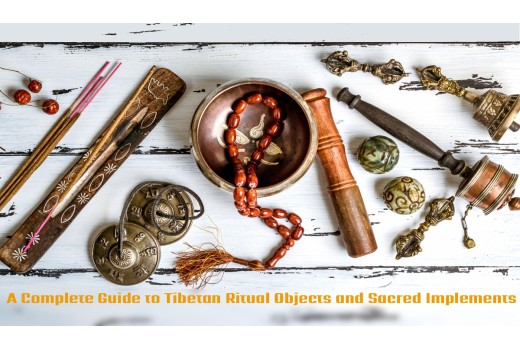
A complete singing bowl set usually includes:
- Wooden mallet (often wrapped with suede or soft material)
- Felt striker for deeper tones
- Cushion for stability
These accessories play an important role in how the singing bowl is played and how the sound is produced.
Shipping, Import Duty and Tariff
When buying a singing bowl from Nepal, shipping method affects delivery time and additional costs.
DHL Express Delivery
- Fast shipping (usually 3–7 days)
- You may need to pay import duty or tariff depending on your country
DDP (Delivered Duty Paid) Shipping
- Slower delivery
- No additional duty or tariff on arrival
- All costs handled in advance
Choosing the right shipping option depends on whether you prefer faster delivery or a smooth, hassle-free experience.
Explore Handmade Singing Bowls from Nepal
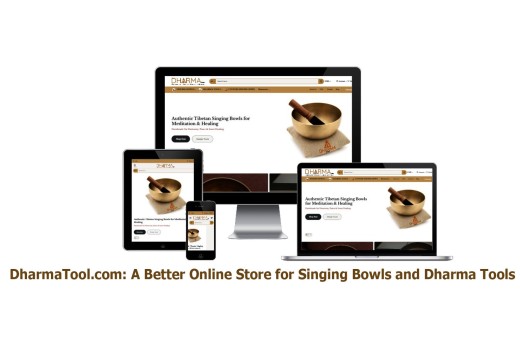
If you are looking for authentic Tibetan singing bowls, handmade Himalayan singing bowls, or sound healing bowls, choosing the right source makes all the difference.
Explore a wide range of handmade singing bowls from Nepal, carefully selected for sound quality, vibration, and craftsmanship. Each bowl is chosen with attention to tone and resonance, making it suitable for meditation, relaxation, and healing practices.
Whether you are a beginner or experienced practitioner, selecting the right singing bowl can enhance your entire sound healing experience.
Authentic Singing Bowls from the Land of Buddha
Buying a singing bowl from Nepal is more than just a purchase—it is a connection to a long tradition of craftsmanship and mindful living. Known as the land of Buddha, Nepal has been home to artisans who have been shaping these bowls by hand for generations.
When you choose a carefully selected handmade singing bowl, you are choosing more than an object—you are choosing its sound, its vibration, and the experience it brings into your daily life.
Understanding how singing bowls are made, selected, and delivered ensures that what you receive is not only beautiful but also meaningful and functional.
Simple Buyer Checklist
- Choose a handmade singing bowl from Nepal
- Make sure it is individually tested for sound quality
- Listen to a real sound sample or video
- Check for cracks or defects
- Select the right size based on your purpose
- Confirm accessories like mallet and cushion are included
- Understand shipping and tariff options before ordering
Singing Bowl Buying Frequently Asked Questions
When buying a singing bowl from Nepal, focus on sound quality, craftsmanship, and whether the bowl is handmade. Always check if the bowl is individually tested, request a real sound video, and ensure there are no cracks or defects.
Not all singing bowls are handmade. While Nepal is known for traditional hand-hammered singing bowls, some bowls are also machine-made. Handmade bowls are preferred because they produce deeper vibration and richer sound.
Handmade singing bowls are crafted using traditional hammering techniques and produce complex tones with long-lasting resonance. Machine-made bowls are more uniform in appearance but usually have a flatter and shorter sound.
In Nepal, wholesalers often sell singing bowls in bulk by weight (per kilogram). These bowls are not individually tested, which means quality can vary. Retail sellers usually handpick and test each bowl before selling.
Buying directly from Nepal often gives you access to a wider selection and better-quality bowls, as they are handpicked and tested. Local sellers may have limited stock and often source bowls in bulk, which may not always guarantee the best sound quality.
Small bowls produce higher tones and are ideal for meditation. Medium bowls offer balanced sound, while large singing bowls create deeper vibrations and are commonly used for sound healing and therapy.
If you choose express shipping like DHL, you may need to pay import duty depending on your country. However, some sellers offer DDP (Delivered Duty Paid) shipping, where all duties are handled in advance and you don’t have to pay extra on delivery.
A standard singing bowl set usually includes a wooden mallet (often suede-wrapped), a felt striker, and a cushion. These accessories help produce different tones and make it easier to use the bowl.
A good singing bowl should produce a clear, stable tone and sustain vibration for a long time. Listening to a real sound video of the actual bowl is the best way to judge its quality before buying.
Also Read: Common Mistakes Buyers Make
Knowing what to look for is important, but it also helps to understand the common mistakes people make when buying a singing bowl.
This guide covers 7 common singing bowl buying mistakes, including choosing a bowl only for appearance, ignoring sound quality, buying the wrong size, and not understanding the difference between handmade and antique bowls.
Read 7 Mistakes to Avoid