




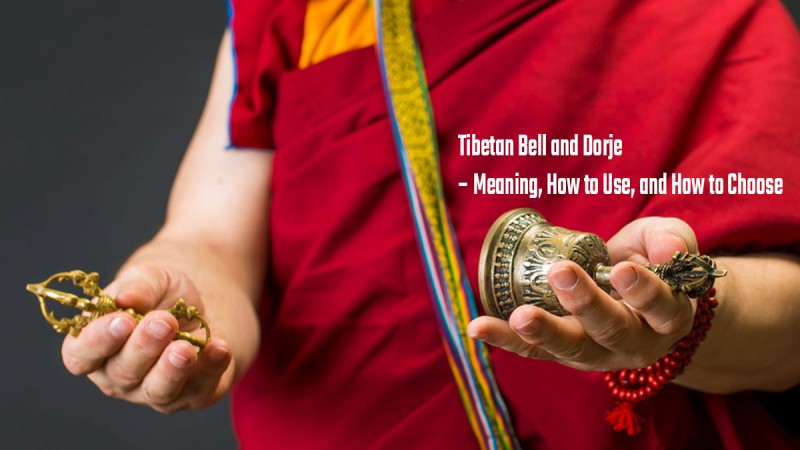
The Tibetan Bell and Dorje – Two Objects, One Complete Meaning
In Tibetan Buddhism, there are very few objects that are never used alone. The Tibetan bell — called the Ghanta — is one of them. Wherever the Ghanta appears in ritual, practice, or iconography, the Dorje is always beside it. The two are inseparable, not by convention but by meaning. They are two halves of a single truth.
The Tibetan bell and Dorje set is one of the most spiritually significant ritual objects in the entire Himalayan tradition. It is not a decorative piece. It is not simply a sound instrument. It is a philosophical statement held in the hands — and understanding what it says changes how you hold it, how you use it, and why it matters.
This guide covers the meaning behind the Tibetan bell and Dorje (also called Vajra), how they are used in meditation and ritual, what the different finishes and sizes mean practically, and how to choose the right set for your practice, your altar, or as a gift.
What Is the Tibetan Bell — The Ghanta
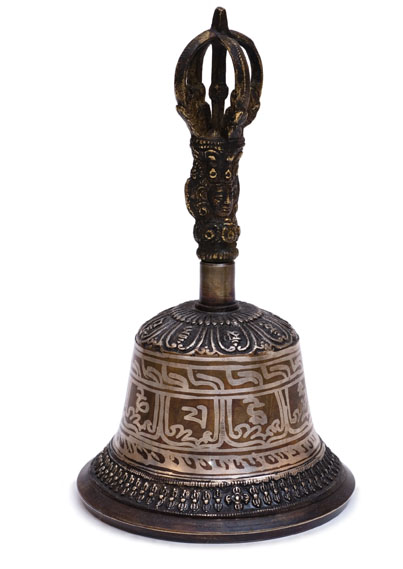
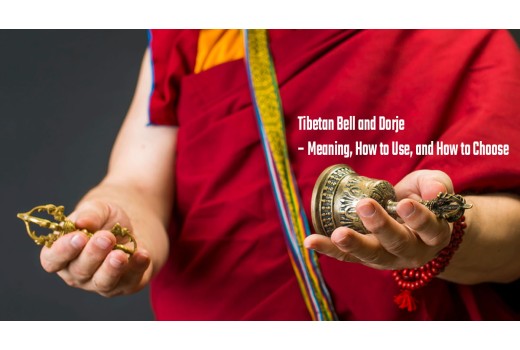
The Tibetan bell, known in Sanskrit as the Ghanta, is a hand-held ritual bell used in Tibetan Buddhist and Hindu tantric practice. It is typically 5 to 9 inches tall, cast from a sacred metal alloy, and decorated with mantra engravings, deity faces, and sacred symbols around its body and handle.
When rung, the Ghanta produces a clear, penetrating tone that represents the voice of wisdom — specifically Prajna, the feminine principle of direct insight into the nature of reality. The bell does not just make a sound. In its traditional context, it proclaims something: that wisdom is present, that the mind is clear, that what follows is done with awareness rather than habit.
The handle of the Tibetan bell is itself a half-Dorje — the top of the handle is shaped as the upper prongs of a Vajra. This is not decorative. It means that even when you pick up the bell alone, the Dorje is already present within it. The union is built into the object itself.
What Is the Dorje — The Vajra
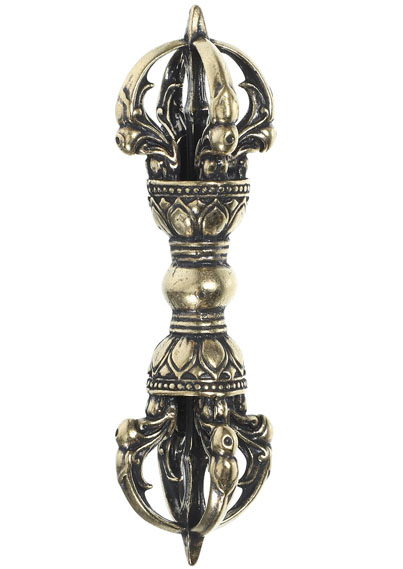
The Dorje — called Vajra in Sanskrit — is a ritual sceptre, typically 4 to 7 inches long, with a central sphere and symmetrical prongs extending from both ends. In its most common form it has five prongs at each end, representing the five wisdoms of enlightened mind.
The word Vajra means both diamond and thunderbolt simultaneously — and both meanings are intentional. Like a diamond, the Vajra is indestructible — it cannot be cut or broken, and it cuts through everything else. Like a thunderbolt, it strikes with absolute precision and clarity, arriving without warning and changing everything it contacts.
In Himalayan tradition, the Vajra represents Upaya — skillful means, compassionate action, the masculine principle of method and engagement with the world. Where the bell holds wisdom as its essence, the Dorje holds compassion and action. Wisdom alone, without compassion, is cold and unreachable. Compassion alone, without wisdom, is directionless and ultimately ineffective. The two together — bell and Dorje, wisdom and compassion, feminine and masculine, emptiness and form — constitute the complete path.
Why Bell and Dorje Are Always Used Together
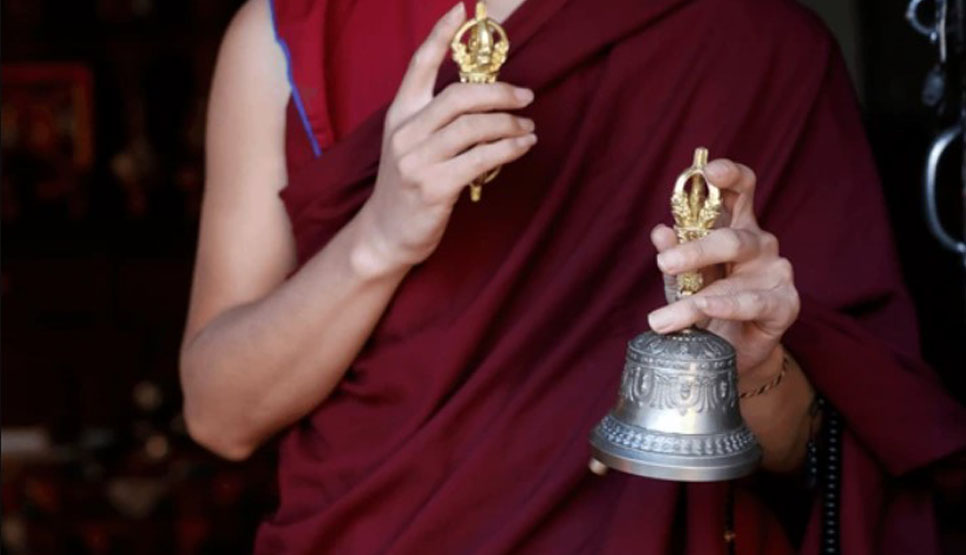
In formal Tibetan Buddhist ritual, the bell is held in the left hand and the Dorje in the right. The left side of the body is traditionally associated with the feminine, receptive, wisdom principle. The right with the masculine, active, method principle. The practitioner literally embodies the union — holding wisdom and compassion simultaneously, one in each hand.
This is not symbolism for its own sake. It is a physical reminder, renewed with every ritual gesture, that the path cannot be walked on one leg. You cannot think your way to liberation without also living it. You cannot act compassionately without the clarity to know what compassion actually requires in a given moment. The bell and Dorje together make this teaching tactile and immediate in a way that no amount of reading or contemplation can replicate.
In sound healing and meditation contexts outside formal Tibetan Buddhist practice, the bell opens and closes a session — its clear tone marks the transition between ordinary and sacred time — while the Dorje is held as a grounding object, an anchor of focused intention throughout. Together they create both a sonic container and an energetic anchor for whatever work is done between them.
How to Use a Tibetan Bell and Dorje in Practice
In Meditation
Ring the Tibetan bell three times at the start of a session. Let each tone fade completely before ringing again. The three rings traditionally represent the Three Jewels — the Buddha, the Dharma, and the Sangha — and the act of ringing them is understood as an invocation of all three. Hold the Dorje in your right hand throughout the session, or place it before you as a focal point. Ring the bell three times again at the close.
In Ritual and Puja
In formal Tibetan Buddhist puja, the bell and Dorje are used continuously throughout — ringing the bell during mantra recitation, moving both objects through specific mudra gestures that correspond to different aspects of the teaching being enacted. Each gesture is a language. The bell and Dorje together are the body's way of speaking what the mouth is chanting.
In Sound Healing Sessions
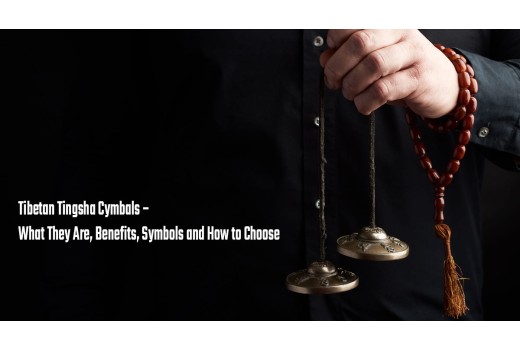
Sound healers use the Tibetan bell alongside Tibetan singing bowls and Tingsha cymbals to structure the arc of a session. The bell's clear tone at the opening establishes presence. The singing bowls carry the sustained deep work. The bell at the close signals integration and return. The Dorje held throughout anchors the practitioner's intention across the entire session.
On an Altar or in a Meditation Space
A Tibetan bell and Dorje set placed on an altar does not need to be used in formal ritual to carry meaning. Their presence is itself a statement of intention — a reminder each time you enter the space of what the practice is for. Many practitioners keep a set on their altar purely for this purpose, picking them up only occasionally, and find that their visible presence shapes the quality of everything that happens in that space.
Understanding the Different Finishes and What They Mean
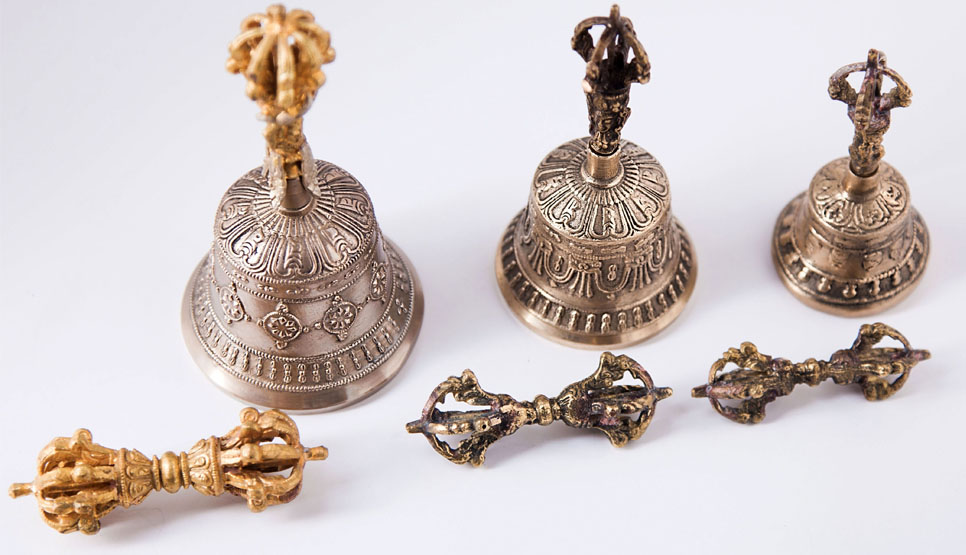
The Dharma Tool collection offers Tibetan bell and Dorje sets in brass, plain bronze, gold-plated and mantra blessed, and antique finish versions. Each has a distinct character worth understanding before choosing.
Brass
Brass sets have a warmer, slightly softer tone than bronze and a bright golden appearance. The sound is welcoming rather than austere — which makes brass a natural starting point for someone building their first altar or beginning a home practice. Available in 5 inch and 6 inch versions.
Plain Bronze
Bronze is the traditional material for Tibetan bells and Dorje — the same sacred metal alloy used in authentic Himalayan ritual instruments for centuries. Plain bronze sets produce a deeper, more complex tone with richer overtones and longer sustain than brass. Their appearance is more subdued — a warm brown-gold rather than the bright yellow of brass — which many experienced practitioners prefer for its seriousness. Available in 5.5 inch, 6 inch, and 7 inch versions.
Gold-Plated and Mantra Blessed
Gold plating is applied to the relief carvings and sacred imagery, bringing the symbolic detail into visual prominence. The mantra blessing is performed by a practitioner during the finishing process in Nepal — understood in Himalayan tradition to activate the object's spiritual purpose and embed specific intention into the instrument. These sets are the most ceremonially complete in the collection and the natural choice for formal ritual use, a significant altar, or a deeply considered gift for someone with an established practice. Available in 6 inch and 7 inch versions.
Antique Finish
The antique finish sets — including the 5 Buddha embossed design depicting the Five Dhyani Buddhas — carry a quieter, more contemplative visual presence. They feel as though they have already been used. The five Buddha embossing creates a beautiful visual echo of the Dorje's own five-wisdom symbolism, making this set one of the most symbolically layered in the collection.
Large 9 Inch Ritual Bell
At 9 inches, this bell is in a different category from the rest. It produces a deep, full, ceremonial tone that fills a room and resonates in the body as much as the ears. This is the size used in temple settings, large group ceremonies, and professional sound healing studios where the bell needs to anchor an entire space. If you are setting up a dedicated studio or working in ceremonial contexts with groups, this is the appropriate choice.
✦ Handmade in Nepal · Healer Selected
Browse the Tibetan Bell and Dorje Collection
Brass, bronze, gold-plated, antique finish and large ritual sets — all hand-forged by Himalayan artisans in Kathmandu. Find the set that suits your practice.
View All Bell and Dorje Sets →How to Choose the Right Set
If you are beginning a practice and want your first bell and Dorje — a 5 or 6 inch brass set is the most accessible and welcoming entry point. The tone is warm, the size sits naturally in the hand, and the cost is proportionate to the stage of practice.
If you have an established practice and want an instrument that reflects that depth — a 6 or 7 inch plain bronze set is the traditional and most enduring choice. The deeper tone of bronze rewards the practitioner who has developed enough stillness to hear its full character.
If you are choosing for formal ritual use or for an altar where the set will be a centrepiece — the gold-plated and mantra blessed versions carry the most ceremonial weight. They are also the most appropriate gift for an experienced practitioner.
If the contemplative and historical feel of aged metal appeals to you more than polish — the antique finish sets, and particularly the 5 Buddha embossed version, are deeply resonant choices that seem to belong in a practice space from the moment they arrive.
And if you are building a professional studio or working in group ceremony — the 9 inch large ritual bell stands apart from everything else in the collection. There is no substitute for its authority in a room full of people.
Tibetan Bell and Dorje as a Gift
A Tibetan bell and Dorje set is one of the most significant gifts you can offer someone with a contemplative or spiritual practice. Unlike most gifts, its meaning deepens over time — the more the recipient understands the philosophy behind it, the more the object comes to mean.
It is also one of the few items in the Dharma Tool collection that carries genuine meaning regardless of religious background. The teaching that wisdom and compassion are inseparable — that understanding without action is incomplete, and action without understanding is blind — belongs to every tradition and to no tradition in particular. It is simply true.
Caring for a Tibetan Bell and Dorje Set
Wipe the bell and Dorje gently with a soft dry cloth after use — particularly after extended handling, as the natural oils from skin can affect the metal finish over time. Store them in a clean dry place, ideally on their altar rather than in a drawer where contact with other objects might dampen the bell's vibration or scratch the Dorje's surface.
For gold-plated sets, avoid abrasive cleaning products that could damage the plating. The antique finish sets benefit from occasional gentle polishing with a dry cloth — enough to maintain their character without over-brightening the surface.
If the bell tone seems muted, check that nothing is resting against the bell body. Even light contact will dampen the vibration. A bell that rings freely, held only by its handle, will always produce its best tone.
✦ Handmade in Nepal · Healer Selected · DHL Express Delivery
Find Your Tibetan Bell and Dorje Set
Every set in our collection is hand-forged in Kathmandu by skilled Himalayan artisans using traditional metalwork techniques passed down through generations. From compact brass sets for personal practice to large 9 inch ceremonial bells for studios and temples.
Browse All Bell and Dorje Sets → Explore All Dharma Tools →Frequently Asked Questions
What is a Tibetan bell and Dorje used for?
The Tibetan bell (Ghanta) and Dorje (Vajra) are ritual instruments used in Tibetan Buddhist and Hindu tantric practice. The bell is rung during meditation, chanting, and ceremony to represent wisdom and mark sacred transitions. The Dorje is held as an embodiment of compassionate action and indestructible clarity. Together they represent the union of wisdom and compassion — the two inseparable qualities at the heart of the Himalayan spiritual path.
What does the Dorje or Vajra symbolise?
The Dorje or Vajra means both diamond and thunderbolt simultaneously. Like a diamond it is indestructible — nothing can break it, and it cuts through everything else. Like a thunderbolt it strikes with precision and clarity. In Tibetan Buddhism it represents Upaya — skillful means and compassionate action — the masculine principle of engagement with the world in service of awakening.
Why are the Tibetan bell and Dorje always used together?
Because each is incomplete without the other. The bell represents wisdom (Prajna, feminine) and the Dorje represents compassion and method (Upaya, masculine). In Tibetan Buddhist philosophy, wisdom without compassion is cold and unreachable, while compassion without wisdom is directionless. The two held together — literally one in each hand — embody the union that constitutes the complete path.
What is the difference between brass and bronze Tibetan bell sets?
Brass sets have a warmer, brighter tone and a golden appearance — accessible and welcoming, a natural starting point for personal practice. Bronze sets produce a deeper, more complex tone with richer overtones and longer sustain. Bronze is the traditional material of Tibetan ritual bells and is preferred by experienced practitioners for serious practice.
What size Tibetan bell and Dorje set should I choose?
For personal meditation and home altar use, 5 to 6 inch sets are ideal. For a larger dedicated practice space, 7 inch sets produce a noticeably deeper and more resonant tone. The 9 inch large ritual bell is suited to group ceremony, temple settings, and professional healing studios where the bell needs to fill and anchor an entire room.
What does gold-plated and mantra blessed mean on a Tibetan bell?
Gold plating is applied to the relief carvings and sacred imagery on the bell, bringing the symbolic detail into visual prominence. The mantra blessing is performed by an experienced practitioner during the finishing process in Nepal — understood in Himalayan tradition to activate the object's spiritual purpose and embed specific intention into the instrument. Together they make the gold-plated sets the most ceremonially complete in the collection.
Is a Tibetan bell and Dorje a good gift?
It is one of the most meaningful gifts you can give someone with a contemplative or spiritual practice. Its meaning deepens over time as the recipient understands more about what the bell and Dorje represent. A brass or bronze set works for someone beginning a practice. A gold-plated mantra blessed set is appropriate for an experienced practitioner. The antique 5 Buddha embossed set is particularly meaningful for someone engaged in formal Tibetan Buddhist practice.