




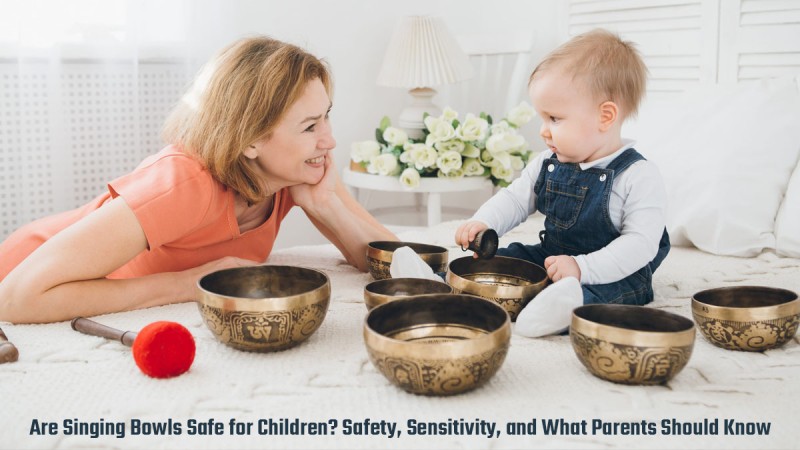
How Children Experience Singing Bowl Sounds
Singing bowls are widely used in meditation, relaxation, and mindfulness practices. When gently struck or played around the rim, they produce long, resonant tones that create a calm and peaceful environment. While adults often use singing bowls to reduce stress or support meditation, children can also respond to these sounds in their own way.
Children are naturally more sensitive to sound and sensory experiences because their nervous systems are still developing. This means they may notice vibrations and tones more clearly than adults. Soft sounds can feel comforting, while louder or sudden noises can sometimes feel overwhelming.
Because singing bowls produce smooth and sustained tones rather than sharp sounds, many children experience them as soothing and interesting. The fading vibration often captures their attention and encourages quiet listening.
However, because of their sensitivity, singing bowls should always be played gently around children. Loud strikes or placing the bowl too close to the ears can feel uncomfortable. When used softly and respectfully, singing bowls usually become a peaceful background sound that children can enjoy.
Why Sound Healing Can Help Children Feel Balanced
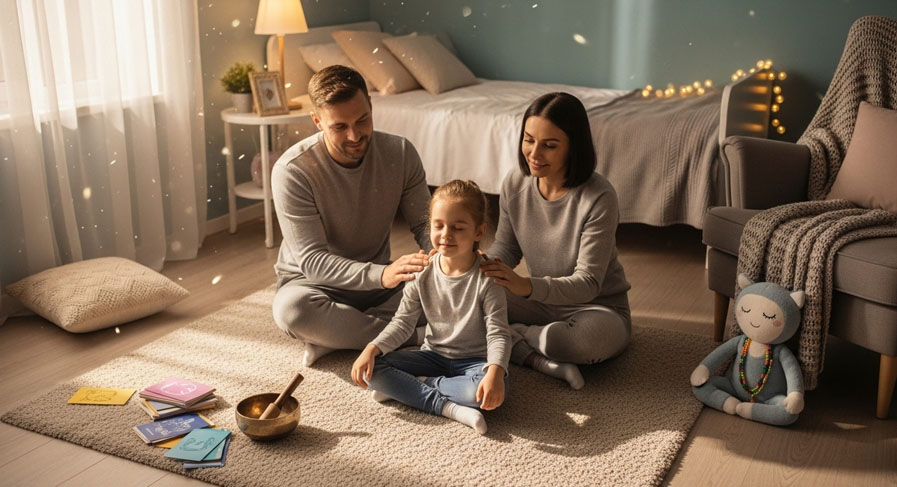
Children go through many emotional and physical changes as they grow. Events that may seem small to adults, such as starting school, adapting to new routines, or interacting with new people, can feel like major challenges for a child.
Calm environments and gentle sounds can sometimes help children relax and regain emotional balance. Instruments like singing bowls create soft vibrations that fill a room with a steady, peaceful tone, encouraging stillness and relaxation.
“Just like adults, children have their own doubts and stress. They are extremely perceptive and sensitive as well. They have to pass through many challenges, for example, when they get a new tooth or when they go to kindergarten for the first time. Also, adults often place many expectations on them.”
— Sunita Poudel, Sound Healing Practitioner
Because children are naturally sensitive to their surroundings, calm sound environments can help them feel safe, relaxed, and emotionally supported.
Possible Benefits of Singing Bowls for Children

Relaxation and Calmness
The soft, resonant sound of a singing bowl can help create a peaceful environment where children feel relaxed after busy or stimulating activities.
Supporting Mindfulness
Some schools and wellness programs use simple mindfulness exercises to help children focus their attention and manage emotions. Singing bowls can signal moments of quiet breathing or reflection.
Improving Bedtime Routines
Parents often use calming sounds before bedtime to help children transition into sleep. A softly played singing bowl can become part of a relaxing nightly routine.
Encouraging Curiosity and Listening
Children are naturally curious about sound. The long fading tone of a singing bowl often captures their attention and encourages them to listen carefully.
Create a Calm Singing Bowl Ritual for Children
A gentle Tibetan singing bowl can become part of a child’s quiet routine at home, whether for bedtime, mindful listening, reading time, or calm family moments. Explore handcrafted bowls that bring soft, peaceful sound into your space.
Can Singing Bowls Affect Children Spiritually?
In many cultures, sound is used as a tool for meditation and spiritual practice. Because children tend to be imaginative and open to new experiences, some people believe they may respond strongly to peaceful sound environments.
In reality, most children simply experience singing bowls as calming sounds rather than spiritual events. The gentle tone often encourages quiet attention and curiosity.
Rather than focusing on spiritual explanations, it is more helpful to think of singing bowls as tools that create peaceful environments where children can relax and feel comfortable.
Children, Emotional Stress, and the Role of Sound
Children can sometimes experience emotional stress even if they do not express it clearly. School pressure, social challenges, family changes, or unfamiliar situations may cause feelings of anxiety or restlessness.
Because children may not always have the words to explain how they feel, their emotions can appear through behavior such as irritability, distraction, or withdrawal.
Calm environments can help children feel more secure and emotionally balanced. Gentle sound instruments like singing bowls are sometimes used in wellness settings because their soft vibrations create a peaceful atmosphere that encourages relaxation.
While singing bowls are not a replacement for professional care or therapy, they can help create quiet spaces where children feel safe enough to slow down and relax.
Group or Individual Sound Sessions for Children
Individual Sessions
In individual settings, children can listen to the sound of the bowl in a calm environment without distractions. This approach may be used by mindfulness instructors, therapists, or yoga teachers who work with children.
The gentle sound can encourage slow breathing, quiet listening, and relaxation.
Group Sessions
Group sound sessions are becoming more common in schools, meditation classes, and wellness programs. In these environments, singing bowls are often used to signal moments of silence or focus.
A teacher or instructor may strike a bowl softly to begin a breathing exercise or bring attention back to the group. Listening to the sound together can help children slow down and share a calm moment.
Singing Bowls in Schools and Educational Environments
Many schools are beginning to introduce mindfulness programs to support children’s emotional well-being and concentration.
Singing bowls can be a useful tool in these programs because their sound naturally draws attention without being loud or disruptive.
- Classroom mindfulness activities
- Short relaxation breaks between lessons
- Breathing or listening exercises
- Yoga and meditation sessions for children
Because the sound fades slowly, children often become quiet and attentive while listening. This simple moment of stillness can help reset the classroom atmosphere.
Personalized Singing Bowls for Meaningful Family Gifts
If you want to make the experience even more personal, a customized singing bowl can become a thoughtful keepsake for a child’s room, meditation corner, or family mindfulness space. Adding a child’s name, a short blessing, or a meaningful word can turn the bowl into something more special for birthdays, milestones, or wellness gifts.
Personalization works best when the bowl is treated as a decorative and meaningful sound tool, while still being used gently and under adult supervision.
When Singing Bowls Might Be Too Intense for Kids
Although singing bowls are generally safe, there are situations where the sound may feel uncomfortable for children.
If the bowl is struck too hard or played too close to the ears, the tone may become too loud. Some children are also more sensitive to sound than others.
Parents and teachers should observe how children react. If a child seems uncomfortable or distracted, it is best to stop the sound and allow them to move away.
Children should always feel free to listen from a distance rather than being required to participate.
Safe Ways to Introduce Singing Bowls to Children
Introducing singing bowls works best when the experience is gentle and relaxed.
Start by playing the bowl softly so the sound remains comfortable. Short listening sessions allow children to become familiar with the tone gradually.
Children should never be forced to meditate or sit still. Some may simply enjoy listening, while others may become curious about how the bowl produces sound.
Using singing bowls during quiet activities such as reading time, meditation, or before bedtime can help create positive associations with the sound.
Older children may also enjoy carefully striking the bowl themselves under supervision, which can help them understand how vibration and sound are produced.
Safety Considerations and Practical Tips for Children
Supervision
Young children should always be supervised when handling singing bowls to prevent dropping the bowl or striking it too hard.
Maintain a Safe Listening Distance
The bowl should not be played directly next to a child’s ears. Keeping some distance allows the sound to remain gentle.
Be Aware of Materials
Traditional singing bowls may contain copper and other metals. Children should not put bowls or mallets in their mouths, and washing hands after handling them is a good habit.
Keep Sessions Short
Listening sessions should be limited to around 10–15 minutes to avoid overstimulation or discomfort.
Encourage Calm Listening Activities
Simple exercises such as closing the eyes and listening to how long the sound lasts can help children develop attention and mindfulness.
Creating Calm Moments at Home and School
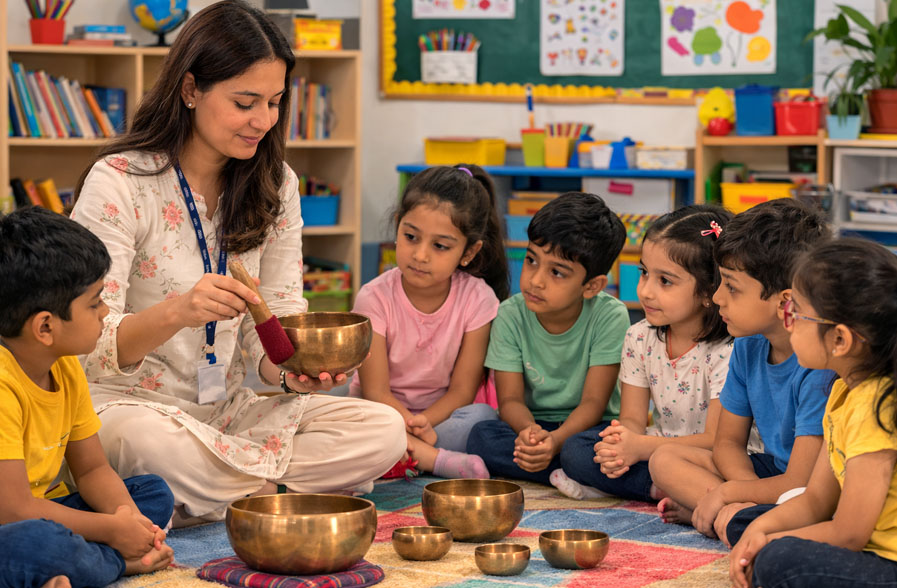
When used gently, singing bowls can become part of peaceful routines at home, in classrooms, or in children’s wellness programs.
Their soft tones create moments of quiet that allow children to slow down, listen, and relax. Whether used for mindfulness activities, bedtime routines, or classroom focus, singing bowls can help create environments where children feel calm and supported.
The goal is not to force meditation or special experiences, but simply to introduce a gentle sound that encourages relaxation, awareness, and moments of stillness in everyday life.
Frequently Asked Questions
Are singing bowls safe for children?
Yes, singing bowls are generally safe for children when used gently and under adult supervision. The sound should be kept soft, and the bowl should not be played too close to a child’s ears.
At what age can children listen to singing bowls?
Children of different ages can listen to singing bowls, but younger children should always be supervised. The key is to keep the sound gentle and observe how the child responds.
Can singing bowls help children relax?
Many children respond well to soft, sustained sounds. Singing bowls can help create a calm atmosphere that supports relaxation, quiet time, and mindful listening.
Can singing bowls be used at bedtime for kids?
Yes, a softly played singing bowl can become part of a calming bedtime routine. Gentle sounds can help children settle down and prepare for sleep.
Are singing bowls too loud for children?
They can be if they are struck too hard or played too close to the ears. Because children are more sensitive to sound, singing bowls should always be used softly.
Can children play singing bowls themselves?
Older children can gently play singing bowls with supervision. They should be shown how to strike the bowl lightly or move the mallet slowly around the rim to create a smooth sound.
Can singing bowls affect children spiritually?
Most children simply experience singing bowls as calming sounds. While some families include them in meditation or spiritual practices, the primary benefit for children is relaxation and focused listening.
Are singing bowls useful in schools or classrooms?
Yes, many schools and wellness programs use singing bowls for mindfulness exercises, quiet transitions, breathing activities, and relaxation moments during the school day.
Can singing bowls help children with emotional stress?
Singing bowls are not a replacement for professional therapy, but they can help create peaceful environments where children feel calmer and more relaxed.
How long should a singing bowl session be for children?
Short sessions are usually best. Around 10–15 minutes is often enough for children, especially when they are new to the experience.
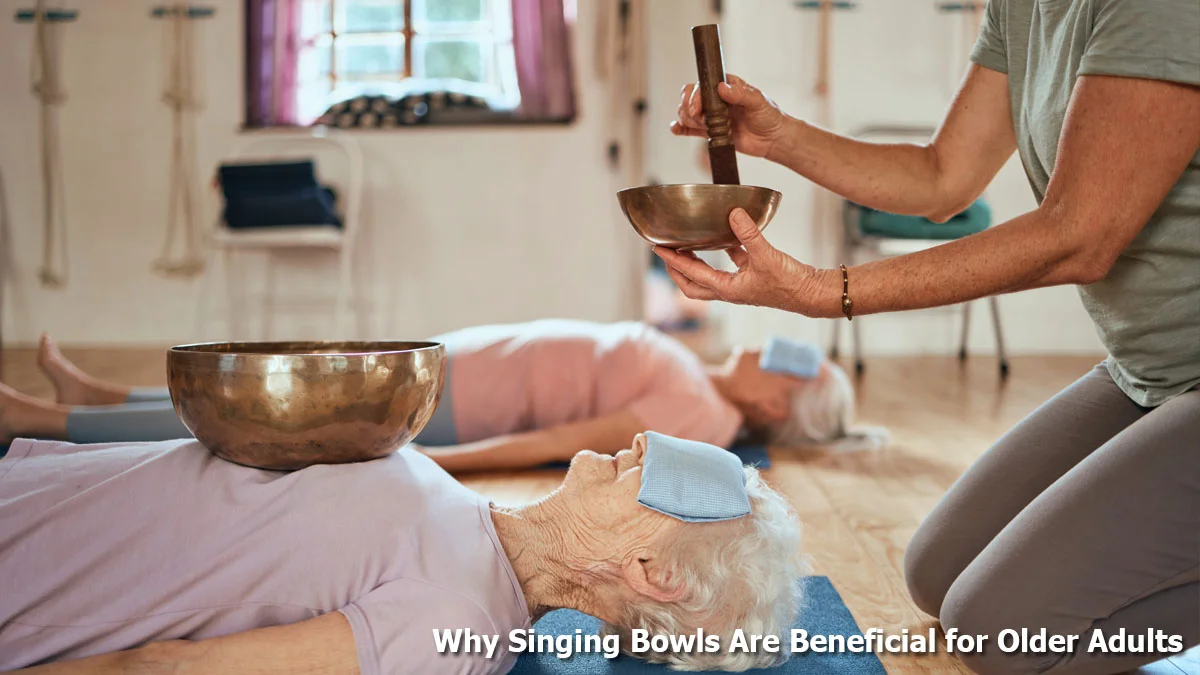
How Singing Bowls Support Seniors’ Wellbeing
As we age, the body and mind respond differently to stress, sleep patterns, and emotional balance. Gentle sound vibrations from singing bowls can support relaxation, improve sleep quality, and create a calming daily routine.
Discover how singing bowls are being used by seniors for peaceful meditation, better rest, and overall wellbeing — with simple and safe ways to introduce sound therapy into everyday life.
Read Full Guide