





Understanding Prayer Beads Across Buddhist, Vedic, and Christian Traditions
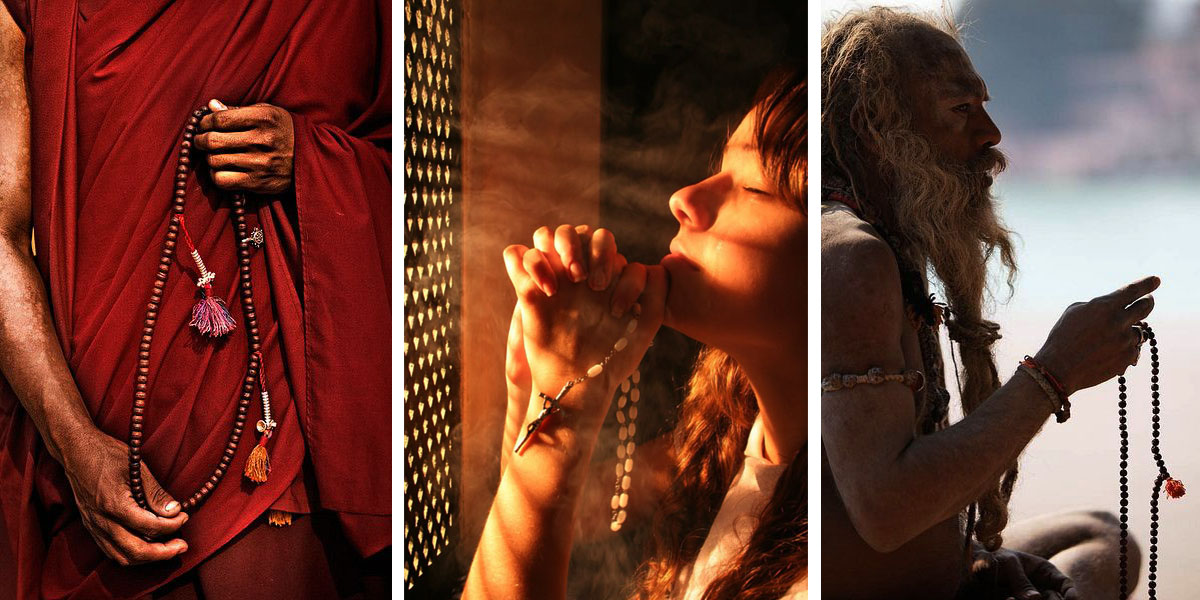
Prayer beads are used in many spiritual paths as a simple tool for keeping focus while repeating prayers, mantras, or short devotional phrases. In Buddhist and Vedic traditions they are commonly called a mala. In Christianity, many people are familiar with the Rosary, and in Eastern Christian practice a knotted prayer rope is also widely used. Although the forms and prayers differ, the purpose is often similar: to bring the mind back to devotion, one repetition at a time.
What Are Prayer Beads?
Prayer beads are a string of beads (or knots) moved through the fingers while counting repeated prayers. This counting is practical, but it also becomes a rhythm: it supports concentration, steadies the breath, and helps many practitioners stay present during longer prayer or meditation.
In Buddhist and Hindu traditions, this practice is often called japa (repetition), and the bead strand is called a japamala (mala).
Historical Roots
Beads themselves have existed for thousands of years as human ornaments, and “counting strings” appear very early in human history. Religious use of prayer beads developed later in different regions and traditions, often as a practical aid: many people wanted to repeat prayers consistently without losing count.
Because prayer beads appear in multiple religions, it is best to view them as a shared human tool that different traditions shaped in their own ways—each with its own prayers, meanings, and rules of respectful use.
Prayer Beads in Buddhist and Vedic Practice
In Buddhist and Vedic (Hindu) practice, a mala is used to count repetitions of a mantra. The most common traditional count is 108 beads. Many malas also include an extra, distinctive bead often called the guru bead (also called mother bead, bindu bead, or Sumeru bead in various traditions).
In everyday practice, the mala becomes both a counting tool and a personal companion—something used during meditation, walking practice, temple visits, or quiet prayer at home. Smaller malas (such as 54 or 27 beads) are also common and are often used for shorter sessions or worn on the wrist.
Prayer Beads in Christianity
The Catholic Rosary
In Catholic tradition, the Rosary is a structured devotion that uses beads to count prayers while reflecting on key events (often called “mysteries”). A common Dominican-style rosary is typically described as having 59 beads.
Eastern Christian Prayer Ropes
In Eastern Orthodox and Eastern Catholic traditions, many people use a knotted prayer rope (often called a komboskini or chotki). These are commonly made with knots rather than beads, and may come in different counts such as 33, 50, or 100 knots, depending on the practice and community.
Across Christian traditions, the tool itself is not the point—it supports attention, humility, and consistency in prayer.
Why People Use Prayer Beads
Even for beginners, the value of prayer beads is easy to understand: they help you stay with the practice. Instead of wondering “How many times have I repeated this?”, you can focus on meaning, breath, and intention.
- Focus: a steady tactile rhythm supports attention
- Consistency: easier to maintain daily practice
- Depth: repetition can settle the mind and soften reactivity
- Devotion: a practical way to carry prayer into daily life
How Many Beads Are There?
Common counts in Buddhist and Vedic malas
The most common mala has 108 beads, with many traditions adding a distinctive “guru bead” that marks the turning point of the cycle. Smaller counts such as 54 or 27 are also widely used.
Common counts in Christianity
A common Catholic rosary is often described as having 59 beads. Eastern Christian prayer ropes commonly appear in counts such as 33, 50, or 100 knots.
How to Use Prayer Beads
The “correct” way depends on tradition, but the general method is simple: move one bead (or knot) per repetition. Many practitioners keep the motion gentle and steady rather than fast.
Using a mala (Buddhist/Vedic)
- Choose a mantra or short phrase you can repeat calmly.
- Move one bead per repetition until you reach the guru bead.
- In many traditions, you do not “cross” the guru bead; instead you turn the mala around and continue in the opposite direction for the next round.
Using a Rosary or prayer rope (Christian)
- Follow the prayer sequence used in your tradition.
- Move bead-by-bead (or knot-by-knot) as you recite each prayer.
- Keep the practice quiet and consistent—many people prefer a calm rhythm over speed.
Materials Used in Prayer Beads
Prayer beads are made from many materials. Often the material choice is about durability and feel, but many traditions also connect materials with meaning or lineage.
- Wood: common for daily practice and a warm feel in the hand
- Seeds: used in many traditional malas
- Stone: often chosen for weight, texture, and personal preference
- Bone or horn: used in some Himalayan traditions (always choose ethically sourced items)
- Metal accents: used for spacers, counters, or symbolic details
In Hindu practice, materials such as rudraksha seeds and tulsi (holy basil) are specifically mentioned as common mala materials.
Symbolism and Meaning of Materials
Different traditions and teachers interpret materials in different ways, but many people choose materials for one of three reasons:
- Practice support: comfort, weight, and durability for daily use
- Tradition: materials associated with a lineage or region
- Personal connection: a material that feels grounding, calming, or meaningful
If you are unsure, choose a material that feels comfortable and encourages you to practice regularly. Consistency matters more than “perfect” symbolism.
Types of Prayer Beads
- Full mala (necklace length): often 108 beads, used for longer sessions
- Wrist mala: smaller counts such as 27 beads for short practice or travel
- Rosary: structured bead layout used in Catholic devotion
- Prayer rope: knotted cord used in Eastern Christian traditions
Prayer Beads in Daily Practice
Many people begin with a simple routine: a few minutes each day, repeating one prayer or mantra with a steady pace. Over time, the beads become familiar—almost like a physical reminder to return to calmness and intention.
- Morning practice to set a clear mindset
- Short sessions during breaks or travel
- Evening practice to settle the mind
- Devotional practice at a shrine, altar, or quiet corner
Prayer Beads as Fashion and Personal Expression
Today, malas and other prayer beads are also worn as necklaces or bracelets for style. This is common, but it can become respectful or disrespectful depending on how it is done.
- Respectful wearing: treating the beads as meaningful, keeping them clean, and avoiding careless handling
- Less respectful use: using sacred symbols only as decoration, or placing beads in situations where they are likely to be damaged or treated casually
If you wear prayer beads as fashion, a good guideline is simple: wear them in a way that shows care—especially if the beads include sacred text, mantras, or religious imagery.
Choosing the Right Prayer Beads
Choose prayer beads based on how you will actually use them. A perfect-looking mala that stays in a drawer does less for practice than a simple one you use daily.
- For daily practice: durable beads with a comfortable texture
- For travel: a wrist mala or smaller bead count
- For Christian devotion: a rosary or prayer rope that fits your tradition
- For gifting: choose a style appropriate to the receiver’s faith or practice
Cultural Respect and Common Misunderstandings
Prayer beads are not “magic items,” and they are not a shortcut. They are a support tool for devotion and attention. The most common misunderstandings are:
- Thinking the beads work without sincerity or practice
- Rushing the count instead of focusing on meaning
- Treating sacred beads carelessly as simple accessories
- Assuming one tradition’s rules apply to all traditions
Prayer Beads as Living Spiritual Tools
Whether you use a mala, a rosary, or a prayer rope, the deeper purpose is the same: to return to prayer with steadiness. The beads are there to help you practice—gently, consistently, and with respect—until devotion becomes part of your daily life.
Shop Prayer Beads (Mala)
Explore our collection of prayer beads and malas chosen for daily prayer, mantra repetition, and meditation practice. Available in full malas and smaller styles for everyday use.