





Ritual Cymbals Used in Religious and Meditative Traditions
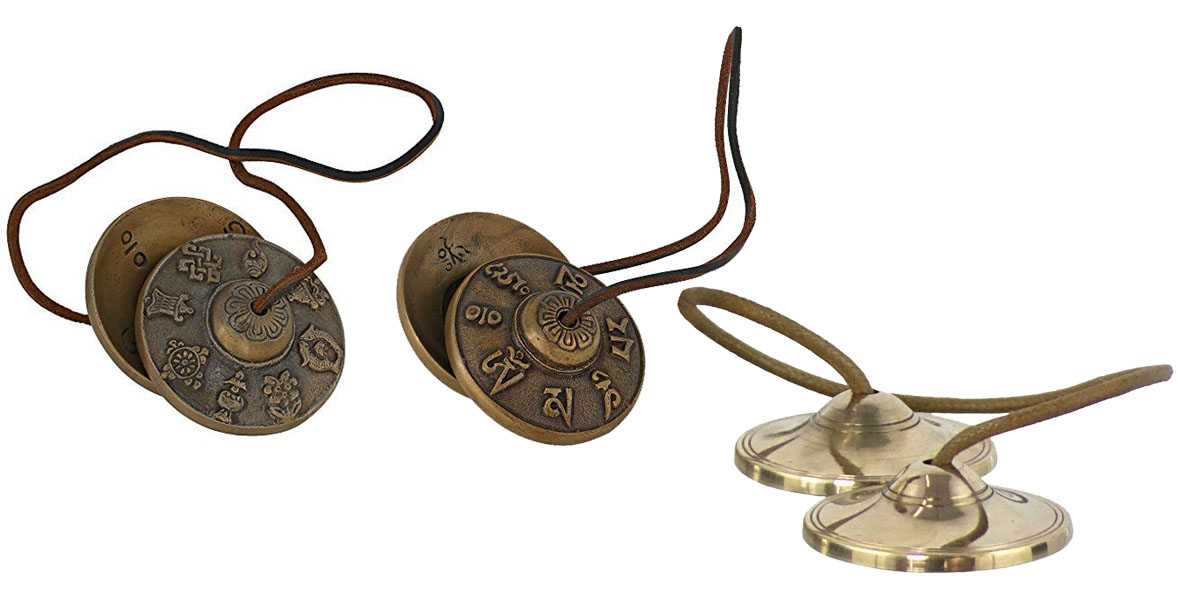
Tibetan tingsha are small hand-held cymbals traditionally used in ritual, meditation, and ceremonial contexts. While they are most closely associated with Tibetan Buddhist practice, the use of cymbals as ritual sound instruments is widespread across religious and cultural traditions.
In Himalayan regions, tingsha developed as a precise ritual tool designed to produce a clear, sustained tone rather than musical rhythm. In South Asian traditions such as Hinduism, various forms of hand cymbals have long been used in devotional and ritual settings. In modern contexts, tingsha are also used globally in meditation spaces, ceremonial environments, and sound-based practices, often outside a specific religious framework.
This article explains what tingsha are, their historical background, symbolic meaning, and how they are used across different traditions.
Definition and Basic Overview
Tingsha consist of two small metal cymbals connected by a leather or fabric cord. Each cymbal is typically flat or slightly domed and designed to be struck gently against the other.
Unlike musical cymbals used for rhythm or performance, tingsha are designed for clarity. The sound they produce is sharp, focused, and briefly sustained, making them suitable for marking moments rather than creating continuous sound.
Historical Background and Origins
The use of cymbals in ritual contexts has deep roots in South Asia. In Hindu traditions, hand cymbals have long been used during temple worship, devotional singing, and ritual ceremonies.
As Vajrayana Buddhism developed in India and later spread to Tibet and the Himalayan regions, ritual sound instruments were adapted for Buddhist practice. Over time, the smaller form now known as tingsha became associated with precise ritual use rather than musical accompaniment.
The form and sound of tingsha were refined to support meditation, chanting, and ceremonial transitions.
Tingsha in Tibetan Buddhist Practice
In Tibetan Buddhist contexts, tingsha are used to mark the beginning or end of meditation sessions, prayers, or rituals. Their sound serves as a cue for attention and presence.
Tingsha may also be used during rituals involving chanting or mantra recitation, where a clear sound helps synchronize awareness without distraction.
They are typically struck once or a small number of times, rather than played repeatedly.
Cymbals in Hindu and South Asian Traditions
In Hindu devotional practice, cymbals such as small hand cymbals are commonly used during bhajan and kirtan. These cymbals differ in form from tingsha but serve a related purpose: supporting devotion and focus through sound.
In broader South Asian ritual contexts, sound instruments are used to signal transitions, invite attention, and create a sacred atmosphere.
While Tibetan tingsha are distinct in design and use, they share a broader cultural relationship with ritual sound practices across the region.
Sound and Its Purpose
The sound of tingsha is intentionally simple and uncluttered. When struck correctly, the tone is clear, high-pitched, and sustained for a short duration.
This type of sound is particularly effective for:
- Marking the start or end of meditation
- Bringing wandering attention back to the present moment
- Signaling transitions in ritual or prayer
- Establishing a calm and focused atmosphere
The sound fades naturally, which many traditions interpret as a reminder of impermanence.
Tingsha in Meditation and Contemporary Practice
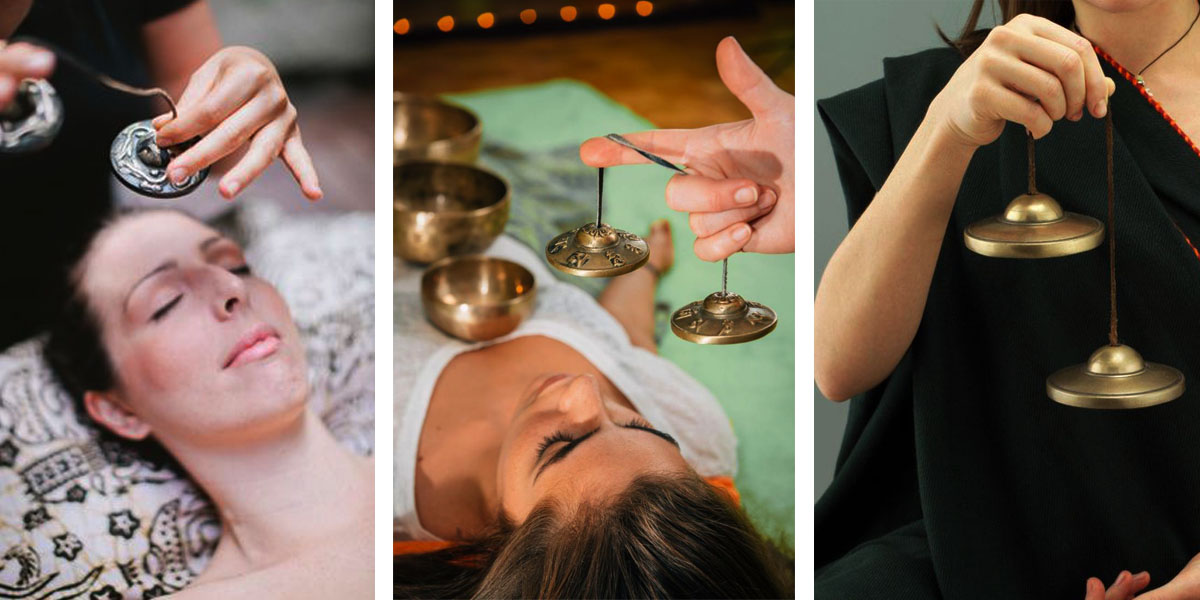
In meditation settings, tingsha are often used sparingly. A single strike may be used to open a session, with another to close it.
In modern practice, tingsha are also used outside formal religious settings, including meditation centers, yoga studios, and sound-based contemplative practices. In these contexts, their use emphasizes attention and awareness rather than ritual structure.
The use of tingsha in sound-based practices focuses on mental clarity and presence, without medical or therapeutic claims.
Physical Structure and Design
Each tingsha cymbal is typically cast from a metal alloy and connected by a flexible cord. This design allows the cymbals to hang freely and resonate clearly when struck.
The surfaces of tingsha may be plain or engraved with symbols, mantras, or geometric patterns. These markings are symbolic rather than functional.
Materials and Craftsmanship
Traditional tingsha are commonly made from bronze or brass alloys. The composition and casting quality affect tone, sustain, and clarity.
Well-crafted tingsha produce a clean sound without rattling or distortion. Balance and thickness are more important than ornamentation.
Types and Variations
Tingsha vary in size, thickness, and tone. Some produce a higher, sharper sound, while others have a slightly deeper resonance.
Common variations include:
- Plain tingsha with smooth surfaces
- Engraved tingsha featuring symbols or mantras
- Differences in size and weight for personal or group use
How Tingsha Are Used
Tingsha are typically held by the cord, allowing the cymbals to hang freely. They are brought together gently, either edge-to-edge or face-to-face, depending on design.
The goal is to produce a clear tone without force. Striking them too hard can reduce sound quality.
Cultural Context and Common Misunderstandings
Tingsha are sometimes treated as decorative items or casual sound objects. In traditional contexts, they are ritual tools used with intention.
Common misunderstandings include:
- Using tingsha as musical instruments
- Striking them repeatedly or aggressively
- Treating them as novelty or decorative items
Choosing Tingsha for Practice
When selecting tingsha, practitioners often listen for clarity and even sustain rather than volume. A balanced tone that fades naturally is generally preferred.
For personal meditation, smaller tingsha are often sufficient. Larger or heavier tingsha may be used in group or ceremonial settings.
Tingsha as Living Ritual Objects
Tingsha continue to function as living ritual objects rather than symbolic artifacts. Their value lies in their sound and the attention they invite.
Used with care and understanding, tingsha support moments of pause, focus, and awareness in meditation, ritual, and daily practice.
Explore Tibetan Tingsha Cymbals
For those interested in using tingsha in meditation, ritual, or contemplative practice, our collection includes traditionally styled Tibetan tingsha chosen for clear tone, balanced casting, and careful craftsmanship.