





Singing Bowl During Savasana – Too Much or Just Right?
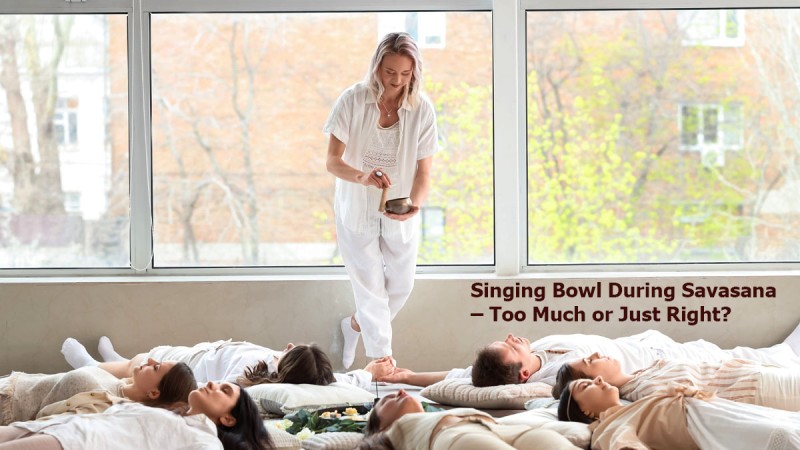
Savasana is often the quietest part of a yoga practice, but it can also be the most powerful. It is the moment when the body rests, the breath slows, and the mind begins to settle. In many modern yoga classes, teachers now use a Tibetan singing bowl during savasana to support that transition into stillness.
For some people, the sound feels deeply calming. For others, it can feel like one more thing to notice when they are trying to let go. That is why many students and teachers ask the same question: is a singing bowl during savasana helpful, or is it too much?
Why a Singing Bowl Is Used During Savasana
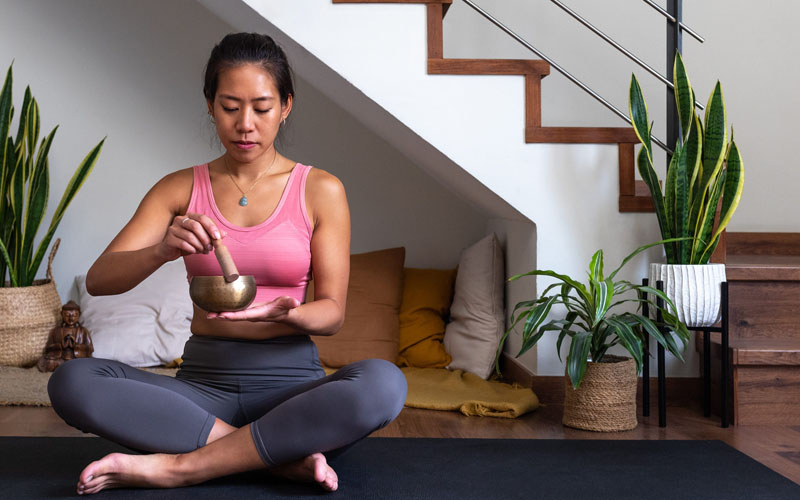
A singing bowl is not like ordinary background noise. A well-made handmade singing bowl produces a soft, layered tone with vibration that lingers in the air. Instead of demanding attention, it can gently guide the mind toward relaxation when used with care.
For people who struggle with silence, this can be especially helpful. The mind often wanders during final relaxation. A gentle tone from a Himalayan singing bowl can act as a natural anchor, making it easier to stay present without forcing concentration.
The sound is not only heard. It is often felt in the body as well. That subtle vibration is one reason why singing bowls are commonly used in meditation, yoga, and sound healing sessions.
When It Feels Just Right
A singing bowl can feel perfectly placed in savasana when it is used with sensitivity. If the tone is soft and the timing is right, it does not disturb the silence. Instead, it blends into it.
In these moments, the bowl can help create a deeper sense of calm. It can soften the transition from active practice into complete rest. Whether someone is using a single bowl or a singing bowl set , the key is always the same: the sound should support relaxation, not take control of it.
When It Feels Like Too Much
The same sound can become overwhelming if it is used too often or played too loudly. Savasana is a delicate part of practice. Even a beautiful sound can feel distracting if it breaks the sense of stillness.
Some people are naturally more sensitive to sound than others. For them, even a soft bowl may pull attention outward instead of allowing the mind to rest inward. In that case, silence may be more powerful than sound.
This is why intention matters. A Tibetan singing bowl can be a beautiful support in yoga, but only when it is used with awareness and restraint.
Silence and Sound Both Have a Place
There is no single answer that fits everyone. Some practitioners relax most deeply in complete silence. Others find that a handmade singing bowl helps them settle more easily and feel more grounded in the body.
Silence offers spaciousness. Sound offers gentle guidance. Both can lead to the same state of rest if used in the right way.
Finding the Right Balance
The best use of a Himalayan singing bowl during savasana is subtle. It should feel natural, not dramatic. It should be part of the atmosphere, not the center of attention.
For yoga teachers, this means using the bowl sparingly and observing how students respond. For students, it means noticing honestly whether the sound helps or distracts. If it helps you soften, settle, and release, then it is just right. If it keeps your mind alert, then silence may be the better choice.
Sound or Silence—What Truly Matters?
In the end, savasana is not about whether there is sound in the room. It is about whether you are able to let go.
A Tibetan singing bowl, a handmade singing bowl, or even a full singing bowl set can support that process when used gently. But the bowl itself is not the goal. The goal is stillness, ease, and complete relaxation.
Whether that happens in silence or with the soft resonance of a Himalayan singing bowl.
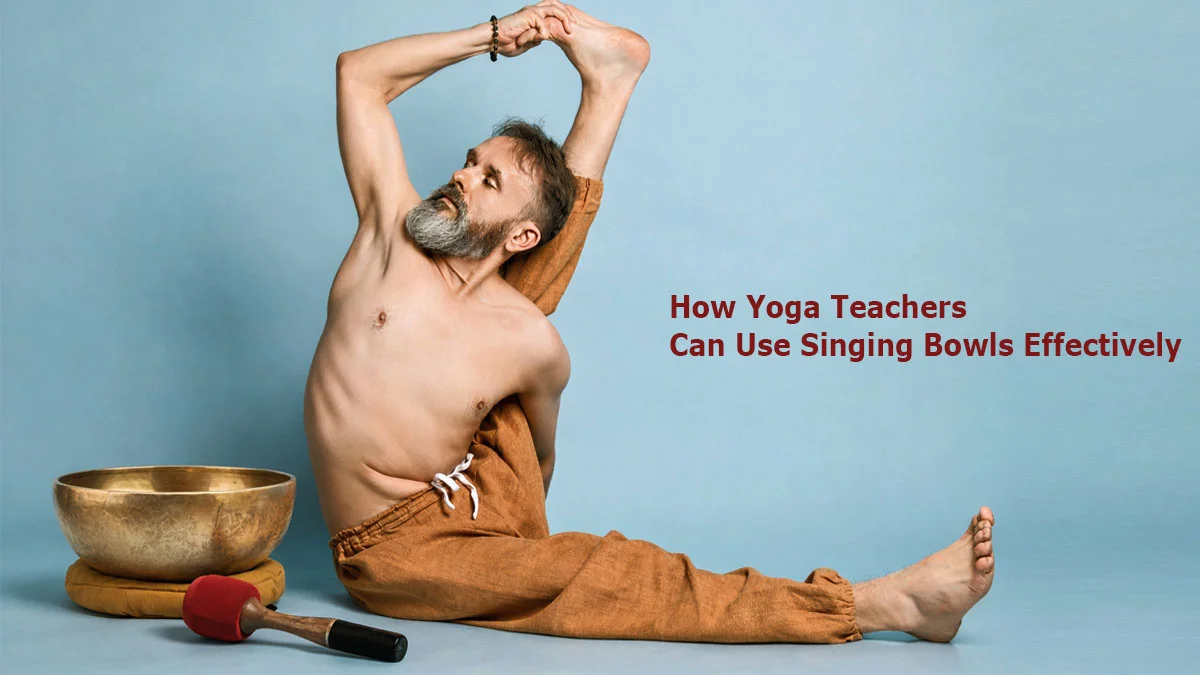
Want to go deeper? Learn how yoga teachers use Tibetan singing bowls to enhance meditation, relaxation, and sound healing in real practice.
Read the Full Guide