



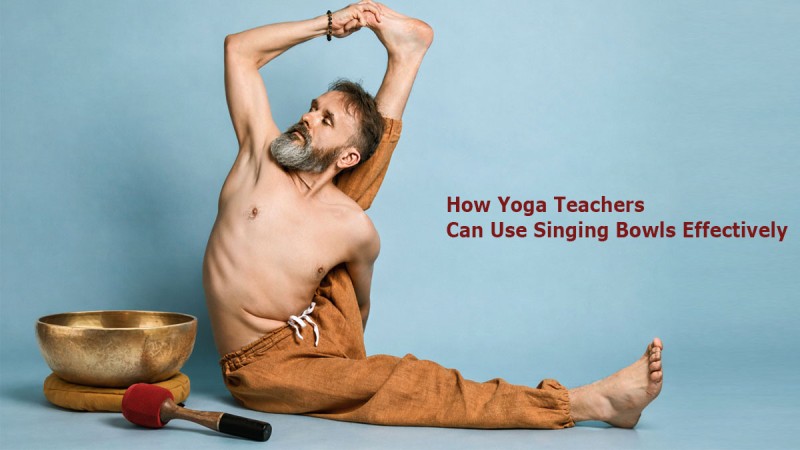
How Yoga Teachers Can Use Singing Bowls Effectively
Yoga is more than movement. A well-guided class moves from breath awareness into posture, stillness, meditation, and deep rest. When used properly, a Himalayan singing bowl or Tibetan singing bowl can become a natural part of that journey, helping yoga teachers create a calmer, more focused, and more meaningful class experience.
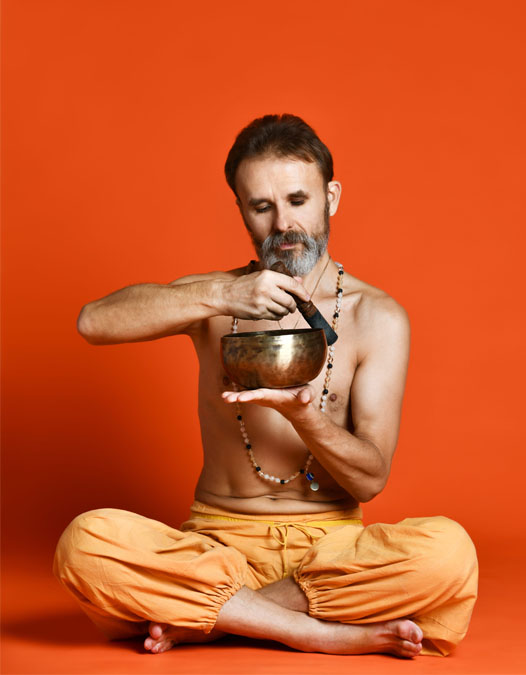
A handmade singing bowl may be used on its own or as part of a singing bowl set or 7 chakra healing singing bowl set. The key is not to overuse sound, but to use it at the right moments in the practice. In yoga, sound should support awareness, not distract from it.
This guide explains how yoga teachers can use a singing bowl in a real class setting, from the opening centering practice to Savasana, seated meditation, and closing with Om and Namaste.
Explore Handmade Tibetan Singing Bowls for Yoga and Meditation
Looking for a bowl that fits yoga classes, breathwork, meditation, or deep relaxation? Explore our collection of handmade Himalayan and Tibetan singing bowls selected for sound, resonance, and practice use.
1. Begin with Centering in Sukhasana
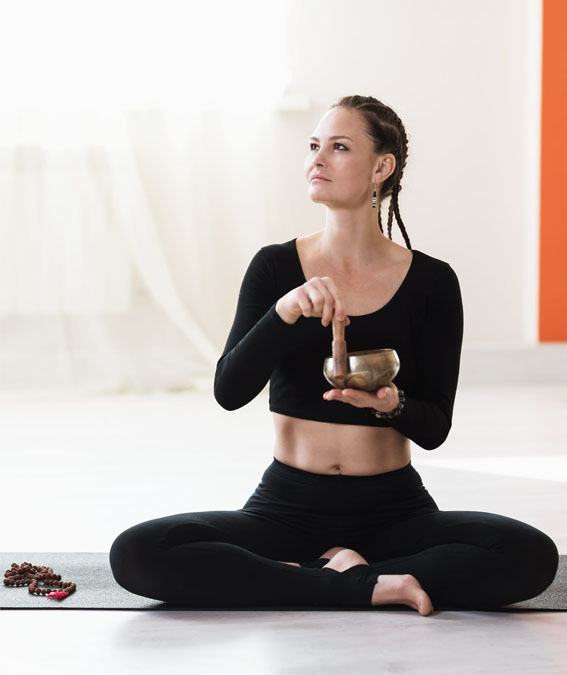
At the beginning of class, students need a clear transition from the outer world into practice. A gentle sound from a Tibetan singing bowl works well during this opening moment.
Bring students into Sukhasana or another comfortable seated posture. Allow a few natural breaths. Once the room becomes quiet, strike the bowl once and let the sound fade completely before speaking again.
This opening sound helps settle attention and prepares students to move inward. It can be especially effective in classes where students arrive mentally busy or physically tense.
2. Support Pratyahara Before Movement Begins
Before moving into asana, it helps to guide students into Pratyahara, the inward turning of attention. This is where a Himalayan singing bowl can be used with subtlety.
Rather than striking the bowl repeatedly, slowly circle the rim to create a soft and continuous vibration. Keep the sound low and steady for around 20 to 30 seconds while guiding awareness to the breath, body, and present moment.
This use of sound helps reduce outside distraction and creates a smoother transition into practice.
3. Use the Bowl to Support Pranayama
A handmade singing bowl can be very effective during Pranayama. In breathwork, the bowl should not replace instruction, but support rhythm and awareness.
A simple method is to keep the inhale in silence and use the bowl softly on the exhale. This can work well in slow breathing practices, gentle breath retention, or calming breath awareness before stronger movement begins.
For teachers working with subtle energetic themes, a 7 chakra healing singing bowl set may also be used during breath-based practices. Lower tones often feel more grounding, while higher tones may support lighter seated awareness. Still, the best results usually come from simplicity.
4. Use Sound Sparingly During Asana Practice
During asana, sound should be minimal. The role of the Tibetan singing bowl is not to play constantly through movement, but to create intentional markers within the class.
A single strike may be used between poses, after a held posture, or before a shift into a calmer section of practice. For example, after Balasana or before moving into a slower seated posture, one soft sound can help reset awareness without adding more verbal instruction.
This approach works best in Hatha, gentle flow, yin, restorative, and meditation-based classes. In faster sequences, too much sound can interrupt concentration rather than deepen it.
5. Use Singing Bowls More Deeply in Yin and Restorative Yoga
Longer-held postures create one of the best moments to use a Himalayan singing bowl. In Yin Yoga and Restorative Yoga, sound can support stillness, release, and deeper internal awareness.
During poses such as Supta Baddha Konasana, Butterfly Pose, or supported forward folds, the bowl may be played once every 30 to 60 seconds. Allow each tone to fully dissolve into silence before the next sound is made.
This spacing matters. Silence is part of the effect. The sound invites awareness, and the silence allows the student to settle into it.
6. Introduce Chakra-Based Practice Carefully
Some yoga teachers like to work with chakra themes during class. In this case, a singing bowl set or 7 chakra healing singing bowl set may be used in a way that supports the mood of the practice.
Deeper tones may suit grounding postures and lower-body awareness. Mid-range tones often work well around heart-opening sequences. Lighter tones may support seated meditation, reflection, or quiet integration near the end of class.
The most effective teaching does not overload students with theory. Instead, the tone is used to support direct experience within the practice.
Need a Singing Bowl Set for Yoga, Chakra Work, or Meditation?
From single handmade bowls to full singing bowl sets, Dharma Tool offers options for yoga teachers, meditation guides, and sound healing practitioners who want depth, clarity, and traditional craftsmanship.
7. Deepen Dhyana with Continuous Soft Vibration
After movement, students are often more ready for Dhyana, or seated meditation. This is one of the best times to use a handmade singing bowl in a continuous and gentle way.
As students sit in a comfortable meditative posture, slowly circle the rim of the bowl and keep the sound steady. The purpose is not performance. It is to offer a stable point of attention while the mind settles.
A Tibetan singing bowl used this way can support a quiet and sustained meditative atmosphere, especially after slower yoga practice.
8. Use Singing Bowls Most Effectively in Savasana
Savasana is often the most powerful place to use a Himalayan singing bowl, Tibetan singing bowl, or full singing bowl set. At this stage, the body is still, the breath is softer, and the nervous system is more receptive.
Rather than continuous sound, play the bowl once every 20 to 40 seconds. Let each tone fade completely before the next one. If the room and class style allow, moving slowly through the space while playing can create a more immersive effect.
This use of sound can help deepen relaxation, support emotional release, and make Savasana feel more complete.
9. Guide the Transition Out of Savasana Gently
Coming out of deep rest requires care. At this stage, the bowl should be used less, not more.
As students begin to return to awareness, reduce the frequency of sound. One final soft strike of the Tibetan singing bowl is often enough. Allow silence to follow before offering spoken guidance back into movement or seated posture.
This helps preserve the calm state created during relaxation.
10. Close the Practice Properly: Savasana, Dhyana, Om, and Namaste
A complete yoga closing is more than simply ending class. It is the final integration of the whole practice. In a traditional and meaningful structure, the closing moves from Savasana into seated awareness, brief Dhyana, and then into Om and Namaste.
Savasana
Allow students to remain in full stillness. During this stage, the Himalayan singing bowl may be played slowly and with space. This lets the body absorb the practice and settle deeply.
Transition to Seated
Use one soft sound from a handmade singing bowl and guide students gently back to a seated posture such as Sukhasana. Avoid rushing this transition.
Dhyana
Once seated, a softly circled Tibetan singing bowl can support a brief meditative pause. This helps awareness gather before the final closing gesture.
Om and Namaste
Bring hands to heart center in Anjali Mudra. If it fits the class style, chant Om once or three times, then close with Namaste. A final gentle sound from the bowl may be used after the chant to complete the atmosphere.
Key Principles for Yoga Teachers Using Singing Bowls
- Use sound with intention, not constantly.
- Let silence remain part of the practice.
- Match the sound to the pace and style of the class.
- Keep the volume soft and steady.
- Allow the bowl to support awareness, not dominate the room.
A Simple Class Flow for Using a Singing Bowl in Yoga
- Sukhasana: one grounding sound
- Pratyahara: soft continuous circling
- Pranayama: sound supporting the exhale
- Asana: minimal sound between transitions
- Yin or Restorative: spaced sound during long holds
- Dhyana: continuous soft vibration
- Savasana: slow sound with silence between tones
- Closing: Om and Namaste
When used properly, a Himalayan singing bowl, Tibetan singing bowl, handmade singing bowl, or full singing bowl set becomes a meaningful extension of yoga practice. It supports breath, stillness, and awareness in a way that feels natural inside the class rather than added from outside it.
Looking for a Handmade Singing Bowl for Your Yoga Practice?
Explore Dharma Tool’s collection of Himalayan and Tibetan singing bowls for yoga teachers, meditation guides, and sound practitioners. Single bowls and singing bowl sets are available for grounding, chakra work, relaxation, and class use.
Frequently Asked Questions
Can yoga teachers use a singing bowl in every class?
Yes, but it should be used with intention. A Himalayan singing bowl or Tibetan singing bowl works best when matched to the pace and style of the class rather than played continuously.
When is the best time to use a singing bowl in yoga?
The most effective stages are centering, pranayama, Yin or Restorative holds, meditation, and Savasana. Many teachers find that Savasana is the most powerful moment for sound integration.
Is a Himalayan singing bowl different from a Tibetan singing bowl?
These names are often used interchangeably in yoga, meditation, and sound healing. Both usually refer to traditional metal singing bowls used for resonance, relaxation, and spiritual practice.
Should yoga teachers use one bowl or a singing bowl set?
One handmade singing bowl is often enough for general yoga classes. A singing bowl set or 7 chakra healing singing bowl set can be useful for teachers who work with chakra themes, meditation sessions, or sound-focused practices.
Can a singing bowl be used during pranayama?
Yes. A singing bowl can help support rhythm and awareness during pranayama, especially when used softly on the exhale or between breathing rounds.
How often should a singing bowl be played during Savasana?
It is usually best to play the bowl slowly, leaving 20 to 40 seconds of silence between tones. The silence is part of what makes the experience effective.
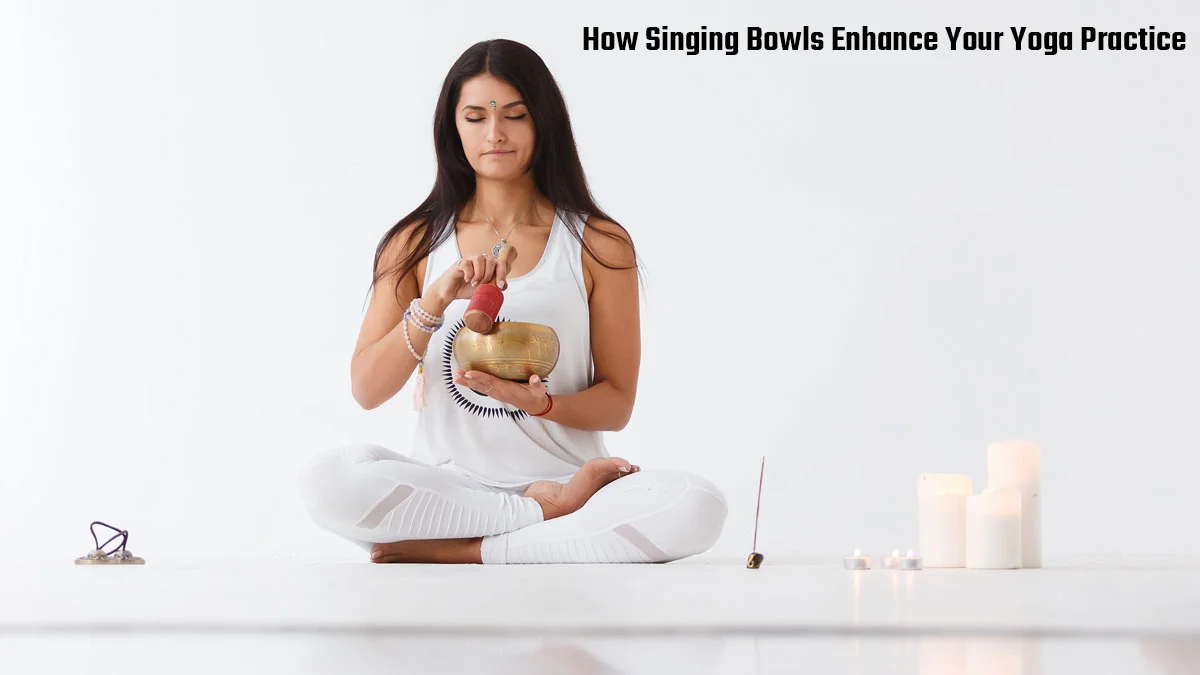
Discover how singing bowls support yoga, meditation, and relaxation through sound and vibration.