




Why Singing Bowls Fit So Naturally Into Yoga
Walk into enough yoga studios and you start to notice a pattern. At the beginning of class, a teacher strikes a small metal bowl and lets the tone fade slowly into silence before anyone moves. The sound hangs in the air for a few seconds, and something shifts. The room gets quieter. People settle.
It is easy to treat that moment as a small ritual, a pleasant way to begin. But when used with intention, singing bowls can shape the atmosphere of a yoga session in ways that go far beyond background music or ambient sound. Their sustained tones naturally draw attention, encourage stillness, and support the same relaxation response that yoga itself aims to cultivate.
Understanding how singing bowls enhance yoga practice helps explain why these instruments have become common in meditation halls, yoga studios, and wellness spaces around the world.
Where Singing Bowls Come From
Singing bowls have deep roots in the Himalayan regions of Tibet, Nepal, and India. Over centuries they became closely associated with meditation, spiritual practice, and ritual use. Traditional Himalayan singing bowls are hand-hammered by artisans and are often said to contain an alloy of seven metals connected symbolically to celestial bodies.
This background is important in a yoga context. Sound has always played a role in spiritual practice across many traditions. In yogic philosophy, Nada Yoga explores sound as a pathway to meditation. The vibration of a sustained tone can draw awareness inward and help quiet the restless movement of the mind.
Because of this relationship between sound and awareness, singing bowls feel naturally aligned with yoga practice rather than something artificially added to it.
What the Sound Actually Does
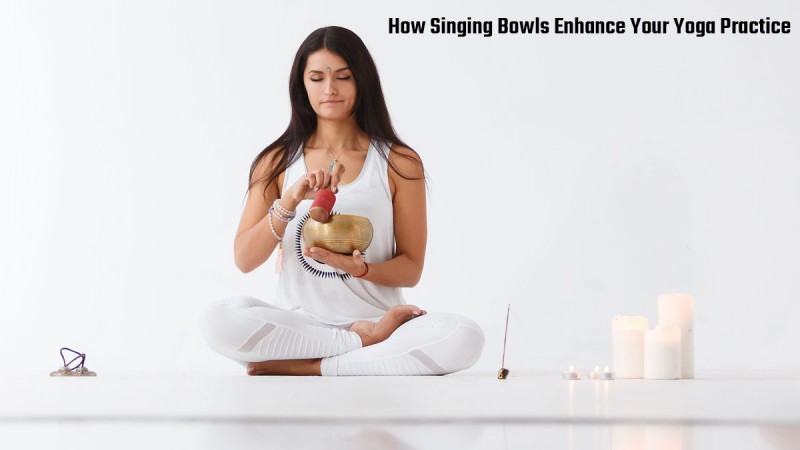
When a singing bowl is struck or played around the rim with a mallet, it produces a sustained tone layered with multiple harmonics. Unlike a bell that rings and disappears quickly, the sound of a singing bowl grows gradually, stabilizes, and then slowly fades.
In a quiet yoga space that gradual decay naturally pulls attention toward it. People often find themselves following the sound without consciously deciding to do so. This simple shift of attention helps the mind slow down and settle.
The vibration is also felt physically. Many practitioners describe sensing the resonance in their chest or through the body, especially when sitting near a larger bowl. This combination of sound and vibration can encourage relaxation, making it easier for the body to release tension during yoga practice.
How Singing Bowls Can Be Used in a Yoga Session

Opening the Class
At the beginning of a yoga session, a singing bowl can mark the transition from daily life into practice. A single clear tone signals that it is time to slow down, breathe, and turn attention inward.
When this sound is used consistently, students begin to associate it with the start of practice. The body responds more quickly, and the room settles into a calm atmosphere almost immediately.
Yin Yoga, Restorative Yoga, and Slow Flow
Slow yoga styles are where singing bowls truly shine. In Yin Yoga or Restorative sessions, poses are held for longer periods, and the mind can easily wander. The sound of a bowl provides a gentle anchor for awareness.
Instead of constant verbal cues, the teacher can allow the tone to fill the space. This creates a calmer environment and encourages students to soften into the posture rather than resist it.
Pranayama and Breathwork
Singing bowls can also guide breathwork practices. A teacher might strike the bowl to begin a breathing cycle and allow the tone to carry awareness through the inhale and exhale.
This approach removes the need for rigid counting while still offering structure. The sound becomes a subtle guide that keeps attention connected to the experience of breathing.
Savasana and Yoga Nidra
Perhaps the most powerful use of singing bowls happens during Savasana or Yoga Nidra. By the time the class reaches final relaxation, the body and mind are already slowing down.
A single tone at the beginning of Savasana deepens that state of rest. The sound fades into silence, allowing the nervous system to settle even further. When it is time to end the session, a few gentle strikes can bring the room back gradually instead of abruptly.
Singing Bowls and Chakra Awareness
Many practitioners associate singing bowl tones with the seven chakras . Lower tones are often connected with grounding energy centers such as the root and sacral chakras. Mid-range tones are commonly linked with the heart chakra, while higher tones correspond to the throat, third eye, and crown chakras.
In yoga practice this relationship can help teachers create a particular atmosphere. A deeper bowl may support grounding and relaxation, while a lighter tone can encourage focus or clarity.
Rather than strictly following note systems, many teachers simply choose bowls that resonate with the mood and intention of the class.
Choosing a Singing Bowl for Yoga Practice
Not all singing bowls produce the same sound. Differences in size, shape, thickness, and craftsmanship influence tone, resonance, and sustain. Larger bowls usually create deeper vibrations and fill larger spaces easily, while smaller bowls are lighter and easier to use during transitions in class.
Hand-hammered Himalayan bowls are often valued for their rich and layered sound. Instead of producing a perfectly pure tone, they create complex harmonics that feel warm and organic in a yoga environment.
The most important step when choosing a bowl is to listen carefully. Each bowl has its own character. The way it responds to different playing techniques and the length of its resonance will influence how it works within a yoga class.
Explore Traditional Tibetan Singing Bowls
If you are looking for a singing bowl for yoga, meditation, or sound healing, explore our collection of traditional hand-hammered Himalayan bowls crafted by artisans in Nepal.
Browse Tibetan Singing BowlsWhy Singing Bowls Enhance Yoga Practice
Singing bowls do not replace the foundations of yoga practice. Breath awareness, mindful movement, and stillness remain at the heart of the discipline. What these instruments offer is something more subtle: they shape the environment in which the practice unfolds.
Their tones help signal transitions, anchor attention, and deepen relaxation during quiet moments of practice. For many yoga practitioners, this gentle shift in atmosphere makes it easier to settle into the experience of yoga itself.
Used thoughtfully, a singing bowl becomes more than a decorative object in the studio. It becomes a quiet guide that supports awareness through sound as the body moves, breathes, and eventually comes to rest.
Frequently Asked Questions About Singing Bowls and Yoga
Why do yoga teachers use singing bowls?
Yoga teachers use singing bowls to create a calm and focused atmosphere during practice. The sustained tone helps students relax, shift attention inward, and settle into meditation or breath awareness more easily.
When are singing bowls typically used in a yoga class?
Singing bowls are most often used at the beginning and end of yoga classes. Teachers may also use them during meditation, breathwork (pranayama), restorative yoga poses, or during Savasana to deepen relaxation.
Do singing bowls help with meditation during yoga?
Yes. The continuous vibration of a singing bowl gives the mind a gentle focal point. Instead of getting distracted by thoughts, practitioners can follow the sound as it fades, which naturally encourages a meditative state.
What size singing bowl is best for yoga practice?
Larger singing bowls usually produce deeper tones that carry well in larger yoga studios. Smaller bowls are easier to handle and are often used for personal meditation or smaller yoga classes.
Are Tibetan singing bowls better than crystal singing bowls for yoga?
Tibetan singing bowls produce warm, layered tones that many yoga teachers prefer for grounding and relaxation. Crystal singing bowls create clearer, higher tones and are often used in chakra-focused sound healing sessions. Both can work well depending on the style of yoga practice.
Can beginners use singing bowls during yoga practice?
Yes. Singing bowls are easy to use and do not require advanced training. Beginners can start by gently striking the bowl with a mallet and allowing the sound to fade naturally, gradually learning how to play the rim to produce longer tones.
Do singing bowls help reduce stress during yoga?
Many practitioners find that singing bowls support relaxation and stress reduction. The vibration and sound can encourage slower breathing, calm the nervous system, and help the body release tension during yoga practice.
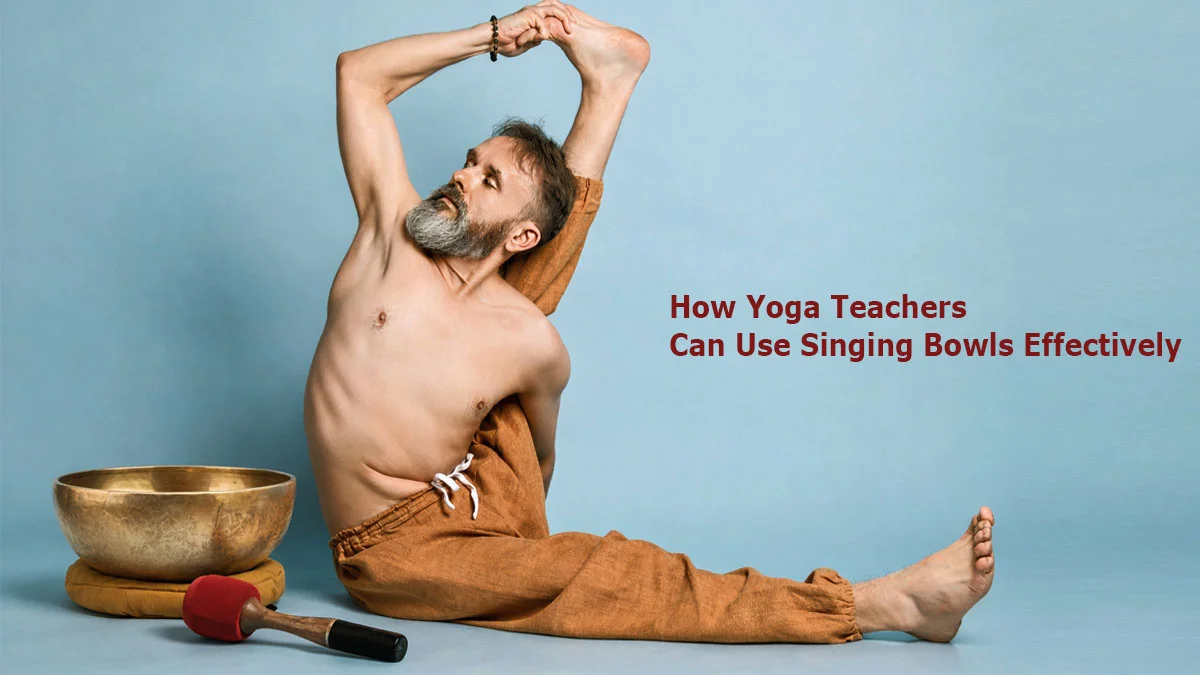
Learn how yoga teachers use singing bowls to enhance classes, deepen relaxation, and guide sound healing sessions.