




Understanding A Note Singing Bowls
Singing bowls have long been used in meditation, spiritual practices, and sound therapy. Their sustained tones and gentle vibrations can help calm the mind and support deeper focus during meditation. In modern sound healing systems, singing bowls are often connected with the chakra system, where different musical notes symbolically correspond with specific energy centers in the body.
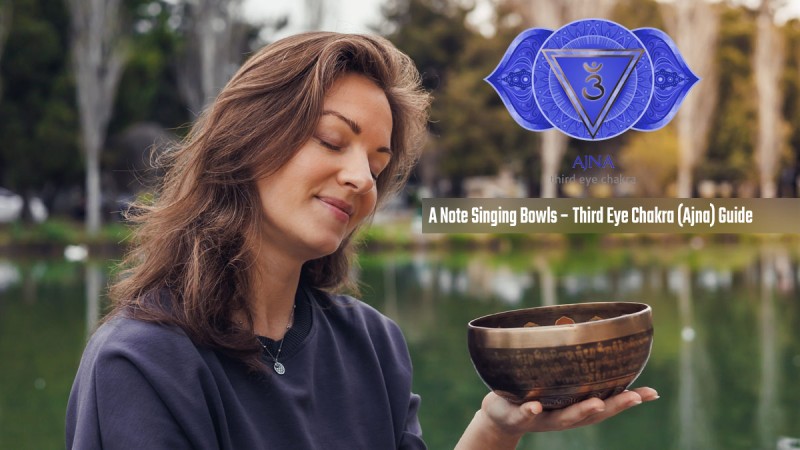
The A note singing bowl is commonly associated with the Third Eye Chakra, known in Sanskrit as Ajna. This chakra is linked with intuition, insight, and inner awareness. Because of this symbolic relationship, many meditation practitioners use A note singing bowls when focusing on Third Eye Chakra meditation practices.
The clear and focused tone of a singing bowl can create a quiet and reflective atmosphere for meditation. When used intentionally, the vibration of an A note bowl may support concentration and mindfulness during meditation sessions.
The Third Eye Chakra (Ajna)
The Third Eye Chakra , or Ajna, is traditionally considered the sixth chakra in yogic philosophy. It is symbolically located in the center of the forehead, slightly above the space between the eyebrows.
The Sanskrit word Ajna is often translated as “perception,” “command,” or “knowledge.” In chakra philosophy, it represents intuition, inner wisdom, and mental clarity.
The Third Eye Chakra is commonly associated with:
- Intuition and insight
- Mental clarity
- Inner awareness
- Imagination and creativity
- Spiritual perception
In traditional symbolism, Ajna is connected with the color indigo and a two-petaled lotus. When the Third Eye Chakra is described as balanced, individuals often experience improved focus, deeper awareness, and greater clarity of thought.
Why the Third Eye Chakra Is Associated With the A Note
In many modern chakra sound systems, musical notes are mapped to the chakra system using the ascending musical scale. Within this symbolic framework, the Third Eye Chakra (Ajna) corresponds with the note A.
This association reflects the position of the Third Eye Chakra as the sixth chakra in the system. Just as the note A appears near the top of the musical scale, the Third Eye Chakra represents a higher level of perception and awareness.
Traditional yogic teachings did not originally link chakras with Western musical notes. Instead, they used sacred sounds known as bija mantras. The mantra traditionally associated with the Third Eye Chakra is OM (sometimes written as AUM).
Modern meditation practices combine these ancient teachings with musical instruments such as singing bowls, tuning forks, and gongs to create immersive sound meditation experiences.
Explore Handmade Tibetan Singing Bowls
If you are looking for singing bowls for meditation, relaxation, or chakra practices, explore our collection of handcrafted Tibetan singing bowls. Each bowl is selected for its resonance, sound quality, and traditional craftsmanship.
What Frequency Is an A Note Singing Bowl?
The musical note A appears in several octaves depending on pitch. Common frequencies include:
- A3 – approximately 220 Hz
- A4 – approximately 440 Hz
- A5 – approximately 880 Hz
Some sound healing practitioners also use alternative tuning systems such as A = 432 Hz, which slightly shifts these frequencies.
Traditional Tibetan singing bowls are rarely tuned to exact digital frequencies. They are handcrafted using traditional hammering techniques and tuned by ear. Because of this process, authentic bowls often produce rich harmonic overtones and layered vibrations.
For meditation purposes, the overall resonance and sustain of the sound are usually more important than precise tuning.
How Singing Bowls Support Third Eye Chakra Meditation
Sound meditation uses sustained tones and vibrations to help calm the mind and encourage focused awareness. When a singing bowl is struck or played along the rim, it produces a continuous tone that can help reduce mental distraction.
Singing bowl meditation may help:
- Encourage relaxation
- Improve focus and concentration
- Support mental clarity
- Create a peaceful meditation environment
- Encourage mindful breathing
During Third Eye Chakra meditation, the sound of a singing bowl may help bring awareness to the forehead area while encouraging a calm and reflective state of mind.
How to Use an A Note Singing Bowl for Third Eye Chakra Meditation
To begin a Third Eye Chakra meditation practice with a singing bowl, sit comfortably and focus on your breathing.
Place the bowl on a cushion in front of you or hold it gently in your lap. Strike the bowl lightly or circle the rim with a striker to create a steady tone.
As the sound resonates, focus your attention on the area between the eyebrows. Some practitioners visualize a soft indigo light in this region, symbolizing the Third Eye Chakra.
Allow the vibration of the bowl to guide your breathing while maintaining a relaxed posture and steady awareness.
Create Your Own Singing Bowl
You can design a bowl suited to your meditation practice by selecting the size, finish, and chakra focus that best matches your needs.
Choosing an A Note Singing Bowl
If you are selecting a singing bowl for Third Eye Chakra meditation, many practitioners look for bowls that resonate close to the note A.
Instead of focusing only on precise tuning, consider qualities that affect the meditation experience:
- Clear resonance and tone quality
- Length of vibration sustain
- Balanced harmonic tones
- Bowl size and tonal depth
Traditional hand-hammered bowls from Nepal are valued for their craftsmanship and layered harmonic sound qualities.
Why Choose an A Note Singing Bowl for Third Eye Chakra Meditation
Many meditation practitioners choose bowls tuned close to the note A when working with Third Eye Chakra meditation because the note symbolically corresponds with the sixth chakra.
This connection reflects the Third Eye Chakra’s role as the center of intuition and inner awareness. The clear tone of an A note singing bowl can help create a calm atmosphere that supports meditation and focused mindfulness.
A well-crafted singing bowl with strong resonance and balanced vibration can become a valuable tool for meditation, sound healing, and relaxation practices.