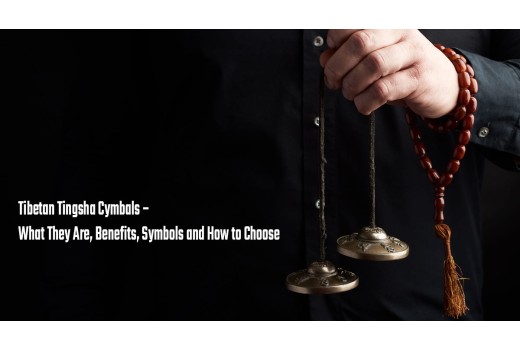






Are Tibetan Singing Bowls Toxic or Harmful? What You Should Actually Know
Tibetan singing bowls are used in yoga classes, meditation, and sound baths because of their long, calming resonance. As they’ve become more popular, a sensible question comes up more often: are singing bowls toxic or harmful?
For most healthy adults using a bowl normally, the answer is no. But there are a few real-world safety details worth understanding—especially around cheap brass bowls, children, and very loud sound baths.
What Are Tibetan Singing Bowls Made Of?
Traditional Himalayan singing bowls (commonly handmade in Nepal and surrounding regions) are usually made from bronze, an alloy primarily made of copper and tin. Many mass-produced bowls are made from brass (copper + zinc). Crystal singing bowls are typically made from quartz.
- Bronze bowls: often preferred for traditional tone and resonance
- Brass bowls: common in low-cost, mass-produced products
- Crystal bowls: bright tone, but more fragile than metal bowls
The “Seven Sacred Metals” Story: Myth vs. Metal
You’ll often see singing bowls marketed as “seven metals” bowls, supposedly containing gold, silver, copper, tin, iron, mercury, and lead—sometimes linked to planets or chakras.
In practice, this claim is usually symbolic marketing rather than a reliable material specification. If a bowl truly contained meaningful amounts of precious metals like gold or silver, the price would be dramatically higher than typical retail listings. When safety is your priority, it’s better to focus on verified materials and responsible sourcing, not legends.
The Real Safety Concern: Lead in Some Cheap Brass Bowls
Here’s where the topic becomes practical. The most legitimate concern you’ll see discussed is lead in certain inexpensive brass bowls. Lead can be present in some industrial brass alloys because it makes casting easier and cheaper.
Important clarification: playing a singing bowl does not mean you’re inhaling lead. The more realistic risk is surface contact—handling a bowl and then touching your mouth or food without washing your hands.
- For most adults: occasional handling + handwashing = low risk
- For children: avoid letting kids handle metal bowls (no safe level of lead exposure)
- Best protection: choose a reputable maker and avoid ultra-cheap, unknown brass bowls
Can Singing Bowls Damage Hearing?
Yes, but usually only in extreme conditions—like a small enclosed room with multiple large bowls played loudly for a long time. Some sound baths can reach uncomfortable volume levels.
- Sit farther from large bowls if you’re sound-sensitive
- Avoid aggressive striking techniques near your ears
- Use earplugs if you’re prone to headaches or ringing
Other Risks People Don’t Mention Enough
Nickel Sensitivity
Some metal bowls may contain nickel. If you have a known nickel allergy, repeated skin contact could cause irritation. If that’s you, limit direct handling or choose a bowl with clearly stated materials.
Crystal Singing Bowls Can Crack or Shatter
Crystal (quartz) bowls are more fragile than metal bowls. Strong impacts, drops, or sudden temperature changes can cause cracking or breakage, which can create sharp edges. Handle and store crystal bowls carefully.
Who Should Be Cautious With On-Body Sound Therapy?
Listening to a singing bowl in a room is usually fine for most people. But on-body sound therapy (placing bowls on or close to the body) deserves more caution.
Consider avoiding on-body sessions or ask your clinician first if you have:
- Epilepsy or seizure sensitivity
- A pacemaker or implantable cardiac device
- Coronary stents or significant heart conditions
- Metal implants near the placement area
- Active blood clots or carotid artery disease
- Pregnancy (especially early pregnancy—many practitioners recommend caution)
This is general wellness information, not medical advice. If you have a medical condition, it’s smart to check with your doctor.
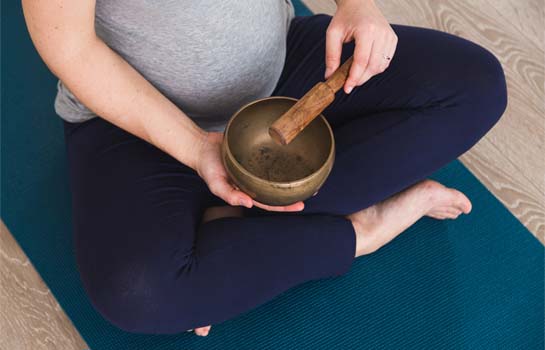
Do Tibetan Singing Bowls Have Real Benefits?
It’s fair to be skeptical of wellness claims. But many people report meaningful relaxation from singing bowls, and research around sound-based relaxation and stress reduction is growing.
The simplest, most grounded explanation is that steady tones and vibration can help the nervous system shift into a calmer state—supporting relaxation, breath regulation, and meditative focus. Singing bowls are not a medical treatment, but they can be a powerful mindfulness tool when used responsibly.
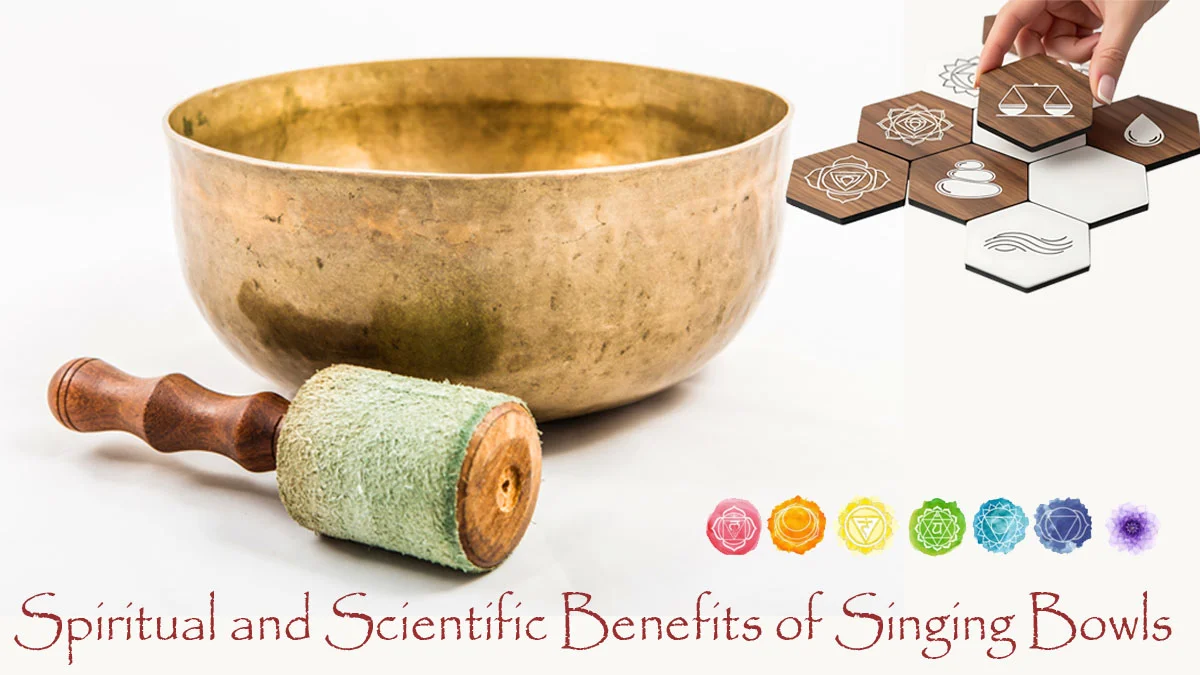
Want to learn more? Read our guide on the spiritual and scientific benefits of singing bowls.
How to Use Singing Bowls Safely
- Buy from reputable sellers who clearly describe materials and workmanship
- Avoid ultra-cheap, unknown brass bowls intended as décor
- Wash hands after handling, especially before eating
- Keep metal bowls away from young children
- Be mindful of volume during sound baths
- If you have a medical device or condition, avoid on-body sessions unless cleared
Shop Authentic Handmade Tibetan Singing Bowls
Explore our curated collection of traditional handmade singing bowls—crafted for meditation, sound healing, and mindful gifting.
View Tibetan Singing BowlsPersonalized Custom Singing Bowl, Made for Your Intention
Want a customized handmade singing bowl with your preferred size, finish, and engraving? Request a custom bowl crafted with care.
Request a Custom Singing Bowl