




How Singing Bowls Support Meditation, Yoga, and Mindful Practice
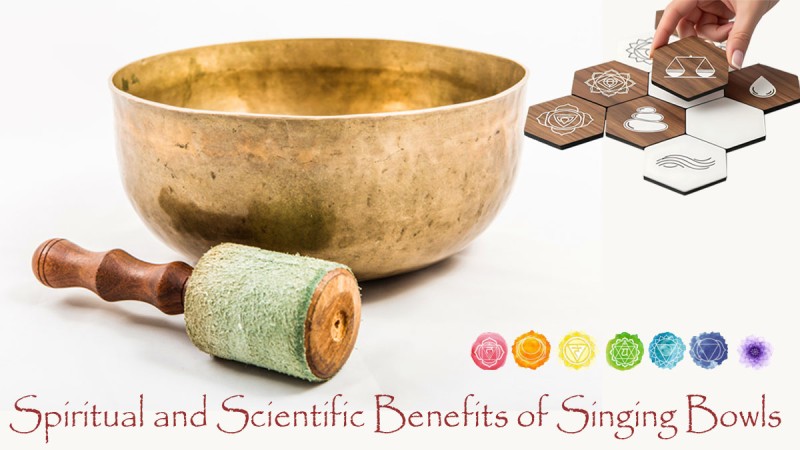
Singing bowls are ancient sound instruments traditionally used as aids for meditation, yoga, mindfulness, and spiritual practice. Originating in the Himalayan regions of Nepal, Tibet, and India, these bowls are crafted from metal alloys and played by striking or circling the rim with a mallet to produce sustained harmonic tones and gentle vibrations.
For centuries, singing bowls have held a significant place in religious rituals and contemplative traditions. In recent decades, they have also gained attention in modern mindfulness and sound-based practices, where researchers and practitioners explore how sound and vibration influence attention, relaxation, and human awareness.
Historical and Spiritual Significance

Historically, singing bowls have been used in Buddhist and Himalayan spiritual traditions to support prayer, meditation, and ritual observance. Their sound is traditionally used to mark transitions, such as the opening and closing of meditation sessions, and to establish a calm, intentional atmosphere.
Within spiritual belief systems, singing bowls are regarded as tools that help quiet the mind and cultivate inner harmony. It is believed that their resonance supports spiritual awareness and aligns attention with the present moment. These interpretations are experiential and symbolic, rooted in cultural tradition rather than empirical measurement.
Benefits for Meditation Practice

One of the most widely recognized benefits of singing bowls is their role as aids for meditation. The sustained tone of a singing bowl provides a stable auditory focal point, which helps practitioners maintain attention during meditation and reduce distraction from wandering thoughts.
- Supports sustained attention during meditation
- Helps reduce mental distraction
- Encourages present-moment awareness through listening
The gradual fading of sound encourages continuous awareness without effort. This makes singing bowls particularly beneficial for beginners who find silent meditation challenging, while also supporting deeper focus for experienced practitioners.
Benefits for Mindfulness and Concentration

Singing bowls are frequently used in mindfulness practices that emphasize listening and present-moment awareness. The harmonic tones naturally draw attention, making them effective tools for cultivating mindful focus.
- Encourages attentional stability
- Supports mindful listening
- Helps quiet mental activity
Rather than forcing concentration, the sound gently invites the mind to settle.
Benefits for Yoga and Breath-Focused Practices

In yoga and contemplative movement practices, singing bowls are used primarily to support atmosphere and awareness rather than physical alignment or technique. They are commonly incorporated before practice to calm the mind, during slow or restorative sessions, and during final relaxation to support stillness.
- Helps practitioners settle into focus before movement
- Supports slower, restorative yoga environments
- Enhances stillness during final relaxation
The sound complements breath and movement, helping practitioners remain attentive and grounded throughout the practice.
Emotional and Psychological Benefits (Experiential Perspective)

From an experiential perspective, many individuals describe singing bowl sessions as calming and grounding. Focused listening can help reduce cognitive overload by directing attention toward a single sensory input.
These benefits arise from the way sound influences attention and perception. The experience is subjective and varies between individuals, reflecting personal responsiveness to sound and contemplative practice.
Chakra and Energy-Related Benefits (Traditional Belief)

In traditional Eastern philosophies, singing bowls are often associated with chakra awareness. Chakras are conceptualized as centers of awareness connected to emotional, mental, and spiritual states.
- Traditional belief links specific tones to specific chakras
- Sound is used to support intention and reflection
- Vibration is viewed as supportive of spiritual awareness
Chakra theory belongs to spiritual and cultural traditions rather than scientific frameworks. In modern practice, chakra-based use of singing bowls is often symbolic, providing a structured way to focus intention and deepen meditation.
Scientific Benefits of Sound and Harmonics
From a scientific perspective, singing bowls are notable for producing complex harmonic sounds rich in overtones. Research in sound perception and cognitive science suggests that sustained and repetitive auditory stimuli can positively influence attention and relaxation.
- Sustained tones support focused attention
- Harmonic sound reduces perceived distraction
- Predictable auditory patterns encourage calm awareness
These characteristics help explain why singing bowls are widely used in meditation, yoga, and mindfulness environments.
Nervous System Relaxation and Sensory Regulation
Modern research on relaxation highlights the role of sensory input in supporting the body’s natural calming response. Gentle, rhythmic sound environments are associated with slower breathing and reduced sensory overload.
Singing bowls contribute to this effect by providing slow, non-intrusive auditory stimulation, encouraging steady breathing rhythms, and supporting mental quietness and focus.
Vibration and Embodied Awareness
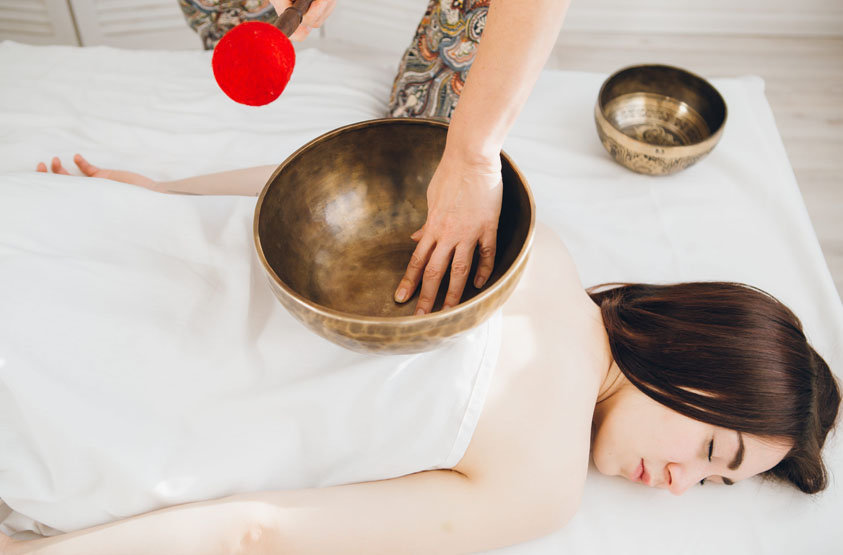
In addition to sound, singing bowls produce subtle vibrations that may be felt when played nearby or on the body. This enhances embodied awareness by drawing attention to physical sensation and presence.
Rather than altering physical structures, vibration serves as a sensory cue that deepens awareness of the body, breath, and moment-to-moment experience.
Benefits for Creating Calm and Intentional Spaces
Singing bowls are also valued for their ability to shape the atmosphere of physical spaces. Sound influences how environments are perceived, affecting mood, focus, and spatial awareness.
- Helps prepare meditation and yoga spaces
- Marks transitions between activities and rituals
- Supports calm, intentional environments
Balanced and Responsible Interpretation
Singing bowls offer benefits that can be understood across multiple perspectives: as traditional spiritual instruments, as aids for meditation, yoga, and mindfulness, and as sound tools that support attention and relaxation.
Singing bowls are not medical devices and are not intended to diagnose, treat, or cure any condition. Their value lies in cultural tradition, experiential practice, and sound-based awareness.
Integrated Perspective on Singing Bowls
Singing bowls occupy a unique position at the intersection of ancient spiritual tradition and modern exploration of sound and awareness. While their cultural significance is rooted in centuries-old practices, contemporary research helps explain why sustained sound and vibration remain effective tools for cultivating focus, mindfulness, and calm.
Whether approached through spiritual belief or scientific observation, the benefits of singing bowls consistently reflect their role in supporting meditation, yoga, and intentional living through sound-based experience.