




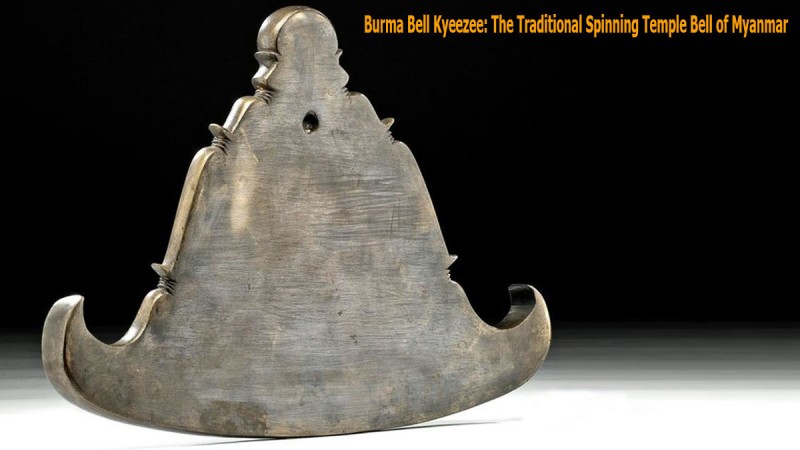
Introduction to the Burma Bell Kyeezee
The Kyeezee, often known as the Burma Bell, is a traditional spinning temple bell used in Buddhist monasteries throughout Myanmar. Unlike hanging temple bells or flat gongs, the Kyeezee bell rests on a rounded base and produces sound while spinning on a flat surface. This unusual design creates a shimmering and evolving tone that gradually changes as the bell rotates.
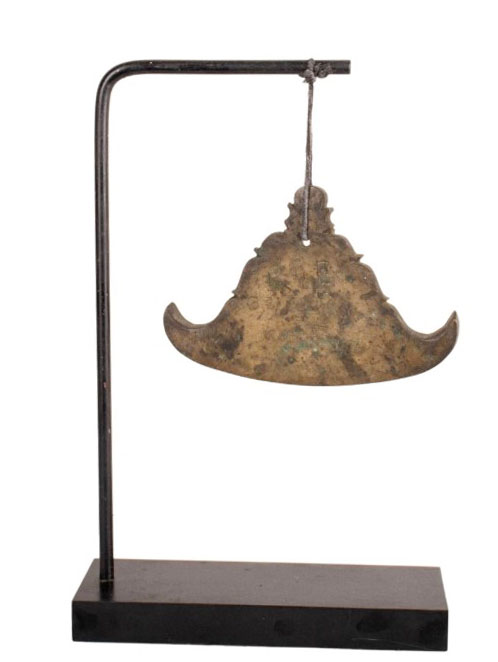
For centuries, Buddhist monks have used the Burma Bell Kyeezee to signal prayer times, mark meditation sessions, and accompany temple rituals. Its clear and resonant sound carries across large monastery halls, helping create an atmosphere of mindfulness and spiritual focus.
Today the Kyeezee is gaining wider appreciation beyond Myanmar among meditation practitioners, sound therapists, and collectors of traditional instruments. Its distinctive sound and elegant design make it one of the most fascinating ceremonial bells in Southeast Asian Buddhist culture.
What Is a Kyeezee (Burma Bell)?
The Kyeezee is a bowl-shaped metal temple bell traditionally cast from bronze or brass alloys. Unlike most bells that hang from frames or towers, the Kyeezee sits on a rounded base that allows it to spin when struck.
After the bell is struck with a padded mallet, the player gently spins it on a flat surface. As the Kyeezee bell rotates, the vibrations of the metal shift and change. This movement produces a tone that evolves over time, creating a pulsing resonance that listeners often describe as shimmering or breathing.
Most traditional Kyeezee bells range between six and twelve inches in diameter. Smaller bells produce higher tones, while larger bells create deeper and longer-lasting resonance. The exterior of the bell often develops a dark patina with age, reflecting years of use in temples and monasteries.
Why the Kyeezee Is Known as a Spinning Bell
The Burma Bell Kyeezee is often described as a spinning bell because of the way it produces sound while moving. Unlike ordinary bells that remain stationary when struck, the Kyeezee sits on a rounded bottom. After striking the bell with a mallet, the player gently spins it.
As the Kyeezee bell rotates, it begins to wobble slightly. This motion causes small changes in the vibration of the metal, which in turn alters the tone. The result is a dynamic sound that gradually shifts as the bell slows down.
This spinning motion is what makes the instrument unique. Instead of producing a fixed tone like most bells, the Burma Bell Kyeezee creates an evolving sound that moves through subtle phases as it rotates and eventually comes to rest.
Historical Origins of the Kyeezee in Myanmar
The Kyeezee has deep roots in the religious and cultural traditions of Myanmar, formerly known as Burma. Historical records and temple traditions suggest that the instrument has been used in Buddhist monasteries for many generations.
Crafting a Kyeezee bell requires skilled metalworking. Traditional artisans cast the bell from bronze or brass alloys using methods passed down through families of craftsmen. After casting, the bell is carefully shaped and tuned so that it produces a clear and balanced tone.
In Burmese temple life, the Burma Bell Kyeezee served both practical and ceremonial purposes. Monks used it to signal gatherings, mark meditation periods, and accompany certain ritual activities. Its sound became part of the daily rhythm of monastery life.
How the Kyeezee Bell Is Played
Playing the Kyeezee requires a technique different from most bells. The bell is placed on a smooth flat surface such as stone or wood. The player strikes the bell gently with a padded mallet made from wood wrapped in felt, leather, or cloth.
Immediately after striking the bell, the player gives it a gentle spin. As the Kyeezee bell rotates on its rounded base, the vibrations of the metal interact with the movement of the bell. This creates a pulsing resonance that slowly evolves.
Experienced players learn how different striking points and spinning speeds influence the tone. A gentle strike produces a soft meditative sound, while a stronger strike creates a louder resonance that carries across larger spaces.
Sound Characteristics of the Burma Bell Kyeezee
The sound of the Kyeezee bell is clear, resonant, and long lasting. The initial strike produces a focused tone that expands into a rich field of overtones. As the bell spins, these harmonics subtly shift, creating a sound that feels alive and constantly changing.
Depending on the size of the bell and how it is played, the tone of the Burma Bell Kyeezee may last thirty seconds or longer. Larger bells often produce deeper vibrations that fill the surrounding space with resonance.
Unlike musical instruments that produce precise notes, the Kyeezee generates a complex blend of harmonics. This makes it especially effective in meditation environments where the goal is not melody but immersive sound.
The Role of the Kyeezee in Buddhist Temple Life
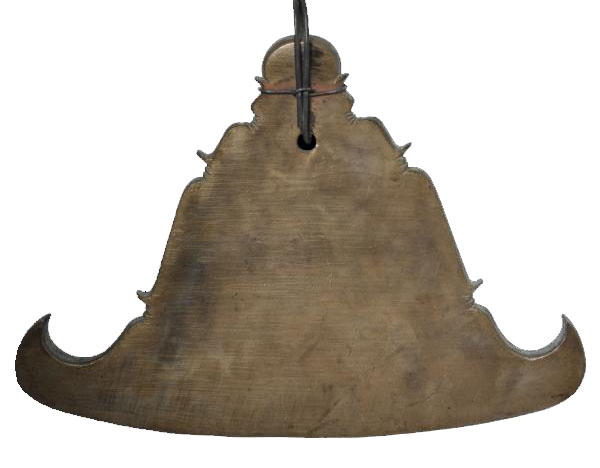
In Buddhist monasteries across Myanmar, the Kyeezee bell plays an important ceremonial role. Monks often strike the bell to signal the beginning or end of meditation periods, communal chanting, or daily rituals.
The clear tone of the Burma Bell Kyeezee travels easily through large temple halls. This makes it ideal for gathering monks or announcing transitions during religious ceremonies.
Beyond its practical function, the bell also carries symbolic meaning. The gradual fading of its sound reflects the Buddhist teaching of impermanence, reminding listeners that all experiences arise, change, and eventually pass away.
Kyeezee Bells in Meditation and Sound Healing
In recent years the Kyeezee has attracted interest from meditation teachers and sound practitioners around the world. The evolving tone of the spinning bell provides a natural focal point for attention during mindfulness practice.
Many practitioners find that listening to the sound of the Kyeezee bell helps calm the mind and deepen concentration. The slow fading of the resonance encourages awareness of subtle changes in sound.
The instrument is sometimes used alongside Tibetan singing bowls, gongs, and other meditation tools. While singing bowls produce a steady tone when rubbed, the Burma Bell Kyeezee creates a dynamic sound shaped by motion.
Kyeezee vs Singing Bowl vs Traditional Gong
Although the Kyeezee shares some similarities with other metal sound instruments, its design and playing method make it unique.
Kyeezee vs Singing Bowl: Tibetan singing bowls are typically played by rubbing the rim with a wooden striker to create a continuous tone. The Kyeezee bell is struck and spun, producing a tone that evolves as the bell moves.
Kyeezee vs Gong: Traditional gongs hang vertically and are struck to produce a strong resonant sound. The Burma Bell Kyeezee, however, sits on a surface and produces sound through both vibration and movement.
These differences highlight how design influences sound and playing style.
Modern Appreciation of the Burma Bell Kyeezee
Today the Kyeezee is appreciated not only in Myanmar but also by musicians, collectors, and meditation practitioners worldwide. Its distinctive spinning sound and traditional craftsmanship make it a fascinating instrument for both cultural study and sound exploration.
As global interest grows, it remains important to respect the cultural origins of the Burma Bell Kyeezee. The instrument is deeply connected to Buddhist temple traditions and represents a living heritage of Myanmar.
Whether heard in a monastery courtyard or a modern meditation space, the gentle resonance of the Kyeezee bell continues to offer a unique and contemplative sound experience.