



Singing Bowl Healing Career: How to Become a Singing Bowl Healer and Build a Sound Healing Path
As more people search for natural ways to reduce stress, sleep better, and reconnect with themselves, sound-based wellness is gaining real attention around the world. This growing interest has opened the door to a new kind of professional path: the singing bowl healing career.
What was once viewed mainly as a spiritual or meditative practice is now becoming part of the wider wellness industry. Today, a person may work as a singing bowl healer, a sound bath facilitator, a holistic wellness guide, or an independent practitioner offering private sessions and group experiences.
For some, this begins as a passion project. For others, it grows into a meaningful and progressive career built around healing, mindfulness, and sound.
What Is a Singing Bowl Healing Career?

A singing bowl healing career involves using sound, vibration, and resonance to support relaxation, emotional balance, and deep rest. Practitioners use instruments such as Himalayan singing bowls, crystal bowls, gongs, and bells to create sound experiences that help people slow down and reset.
In a typical session, the goal is not simply to play an instrument. It is to guide the listener into a calmer state where the body can soften, the mind can become quieter, and the nervous system can settle. This is why the profession may be described in different ways, including singing bowl healer, sound healing practitioner, sound bath facilitator, holistic therapist, or wellness workshop leader.
Although the names vary, the heart of the work is the same: using sound intentionally to support wellbeing.
Singing Bowl Healer, Sound Healer, or Music Therapist: What Is the Difference?
Many people confuse these roles, so it helps to explain the difference clearly.
A singing bowl healer or sound healer usually works in the holistic wellness space. Their sessions may include meditation, breath awareness, chakra-focused work, guided relaxation, or energy-based practices using singing bowls and other sound instruments.
A music therapist, on the other hand, is often part of a more formal clinical profession. In many countries, music therapy involves accredited education, structured therapeutic goals, and work within healthcare, education, or rehabilitation settings.
So while sound healing and music therapy can both support emotional and mental wellbeing, they are not always the same profession. Still, the growing interest in both fields shows that sound is becoming more respected as part of modern wellness.
How Much Does It Cost to Become a Singing Bowl Healer?
One of the most common questions people ask before starting a sound healing journey is simple: how much does it actually cost?
The good news is that becoming a singing bowl healer does not require a huge investment at the beginning. You can start small and grow your setup over time as your practice develops.
The main areas of investment usually include training, instruments, and basic setup.
Estimated Cost Breakdown
| Category | Beginner Cost | Professional Cost |
|---|---|---|
| Training & Courses | $100 – $500 | $800 – $2000+ |
| Singing Bowls | $200 – $600 | $1500 – $5000+ |
| Accessories (mallets, cushions) | $50 – $150 | $200 – $500 |
| Basic Setup (mat, space) | $50 – $200 | $300 – $1000 |
| Optional (website, marketing, recording) | $100 – $300 | $500 – $2000+ |
Total Estimated Investment
Beginner Setup: Approximately $500 – $1,500
Professional Setup: Approximately $3,000 – $10,000+
In reality, many successful practitioners begin with a simple setup and expand gradually. What matters more than the size of your investment is the consistency of your practice and the quality of your sound.
If you are serious about becoming a singing bowl healer, it is often better to invest in a few high-quality instruments rather than many low-quality ones. The depth and clarity of sound can make a significant difference in the experience you offer.
What Does a Sound Bath Facilitator Do?
One of the most visible roles in this field is the sound bath facilitator.
A sound bath is a guided experience where participants usually lie down or sit comfortably while being immersed in sound. The practitioner plays singing bowls, gongs, chimes, or similar instruments in a flowing sequence designed to create a peaceful and immersive atmosphere.
A sound bath facilitator may lead group sessions, offer private sound healing experiences, combine sound baths with yoga or Reiki, or organize wellness events and retreats. This role is becoming more common in yoga studios, meditation spaces, retreat centers, and wellness communities.
What Does a Singing Bowl Healer Actually Do?
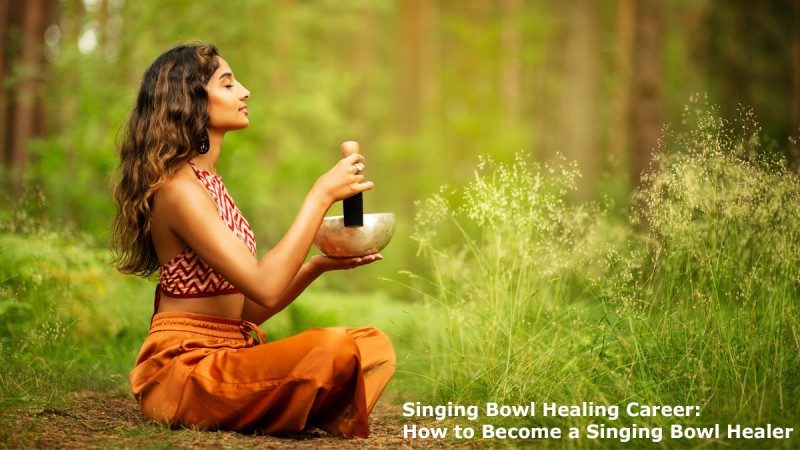
A singing bowl healer works more directly with the tone and vibration of bowls to create an individual or group healing experience. Depending on their style, they may play bowls around the body, use specific tones to encourage relaxation, guide clients through meditation, or create sound journeys for stress relief and emotional release.
Some practitioners focus mainly on one-on-one sessions, while others become known for public sound baths, workshops, or retreat experiences. Over time, many healers develop their own personal style and method.
Tools Used in a Sound Healing Career
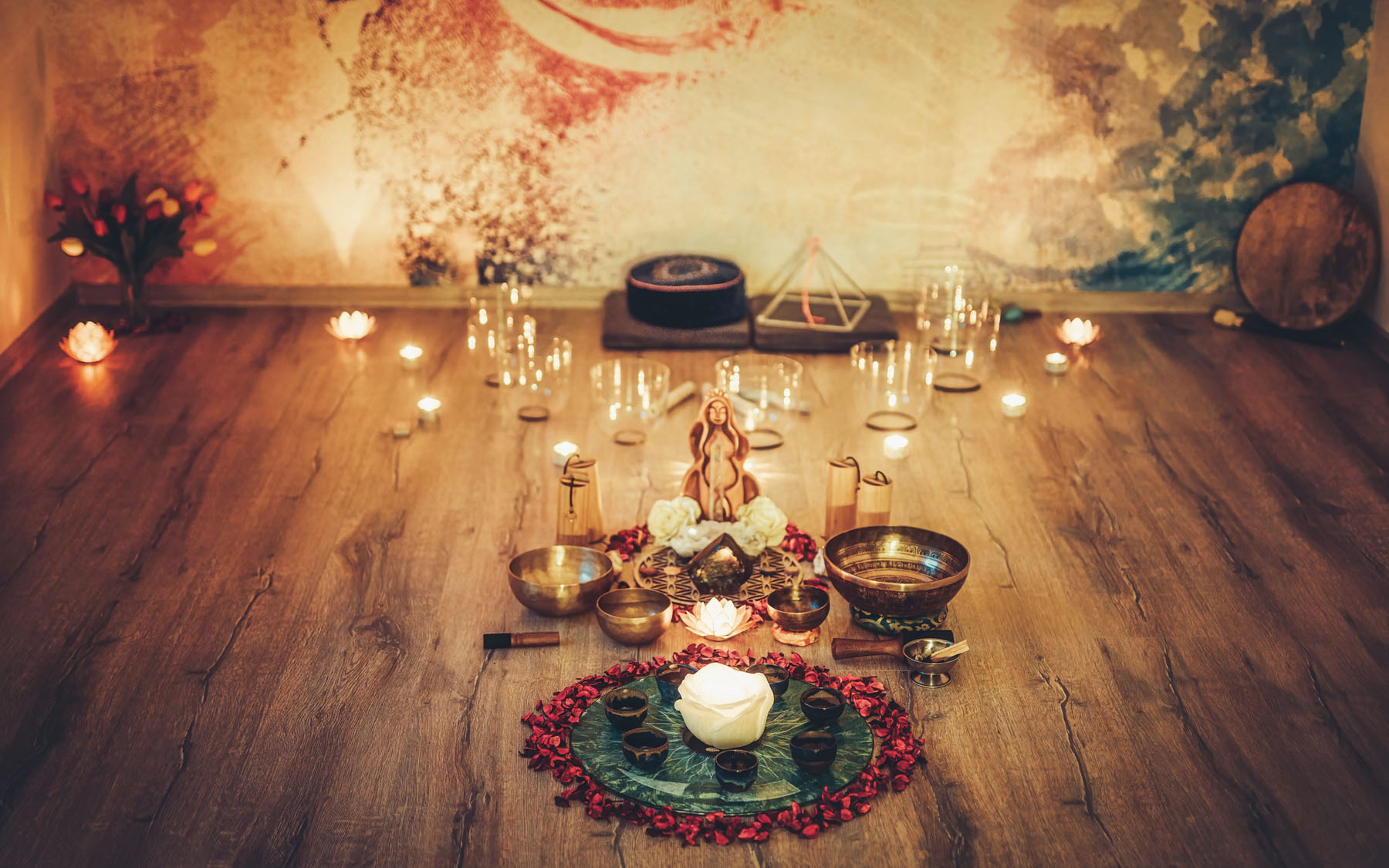
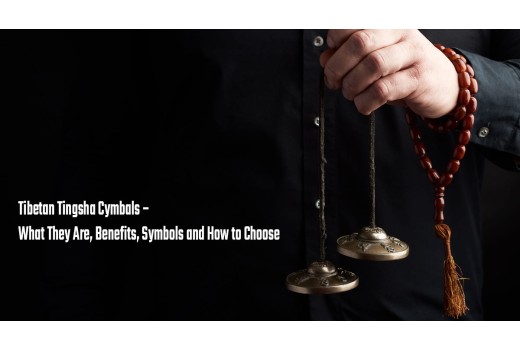
To build a professional sound healing practice, the right tools matter. The most common instruments include Himalayan singing bowls, crystal singing bowls, gongs, tingsha cymbals, bells, and chimes.
Himalayan singing bowls are especially valued for their rich overtones, grounding quality, and traditional connection to meditation and healing practices. Crystal bowls are also widely used, especially in chakra-based sound healing sessions. Gongs add a deeper and more immersive layer to sound baths.
A professional setup does not need to be huge in the beginning, but the quality of the instruments can make a real difference in the experience you offer.
Where Can a Singing Bowl Healer Work?
A singing bowl healer or sound bath facilitator has more flexibility than many traditional careers. This work may happen in yoga studios, meditation centers, wellness retreats, holistic therapy clinics, spas, community spaces, private client settings, or corporate wellness programs.
Some practitioners also build an online presence and offer virtual sessions, recorded meditations, or educational workshops. This flexibility is one reason why sound healing is often seen as a progressive career path.
Income Potential in a Singing Bowl Healing Career
Let’s be honest: most people do not begin as full-time practitioners right away. A singing bowl healing career often starts as a side income that grows with time, trust, and consistency.
Income may come from group sound bath events, private healing sessions, meditation workshops, partnerships with yoga studios, retreat facilitation, online classes, or recorded sound experiences. Over time, a strong reputation and a professional approach can help turn this into a more sustainable career.
The practitioners who grow successfully in this space usually treat it with both heart and structure. They refine their sessions, build trust with clients, and present themselves professionally.
Creating Music with Singing Bowls and Sharing It Online
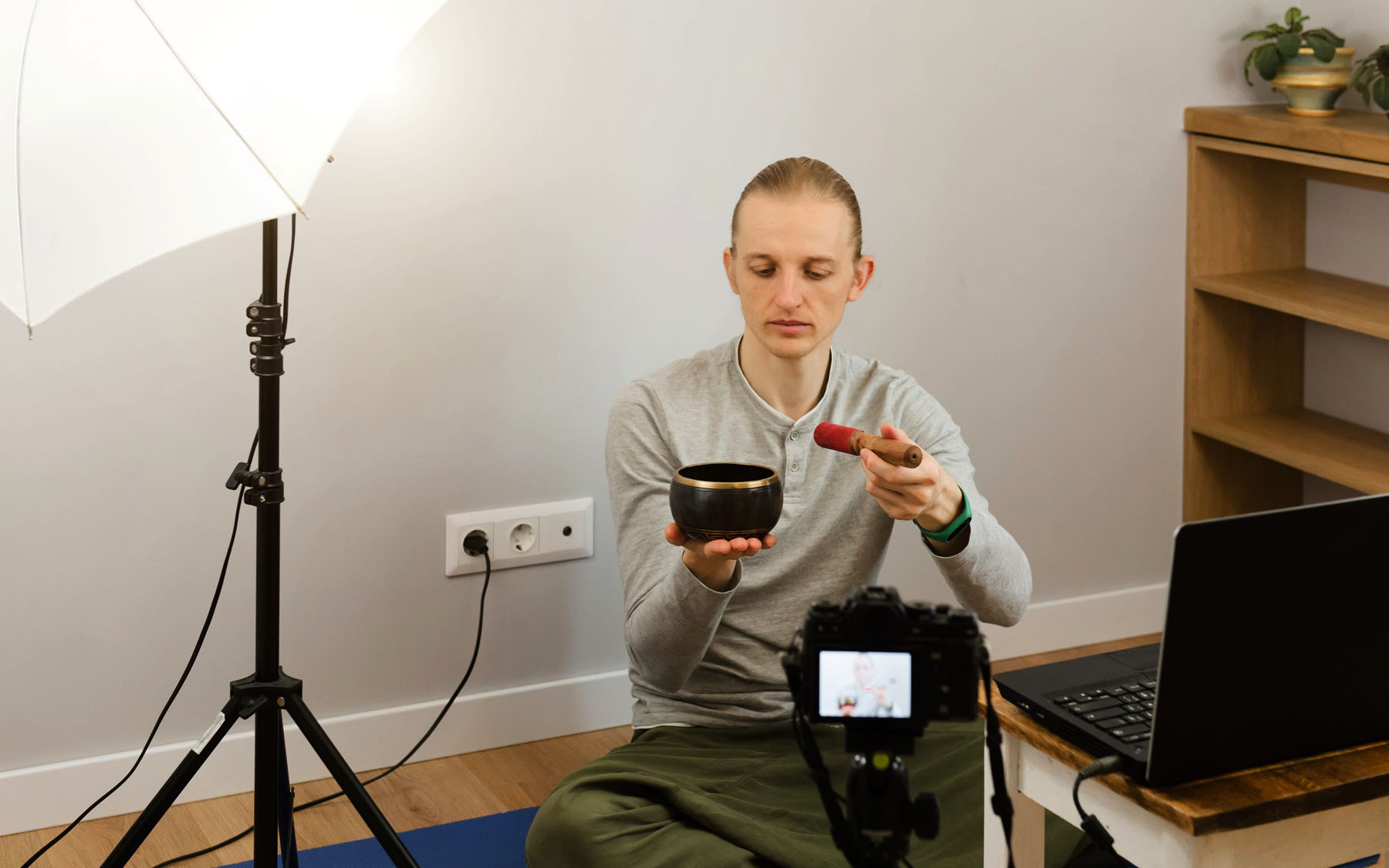
Today, a singing bowl healing career is no longer limited to in-person sessions. Many practitioners are expanding their work by creating music with singing bowls and sharing it online.
By recording the natural tones and vibrations of Himalayan singing bowls or crystal bowls , you can create calming soundtracks for meditation, sleep, yoga, focus, and relaxation. These recordings can then be shared on platforms like YouTube, Instagram, TikTok, Spotify, or other social media channels.
This allows a singing bowl healer or sound healing practitioner to reach far beyond local workshops or private appointments. It also creates additional opportunities to generate income through YouTube monetization, digital audio sales, workshop promotion, private session bookings, or online course creation.
For many practitioners, combining in-person healing with online content creation creates a more stable and scalable career model. It also reflects how the profession is evolving. A singing bowl healer today is not only a facilitator in a room, but can also become a creator, educator, and guide through sound.
Why This Is a Progressive Career
A singing bowl healing career is progressive because it is growing alongside the modern wellness movement. More people are becoming interested in stress reduction, mindfulness, sleep support, emotional balance, meditation, and natural wellness practices.
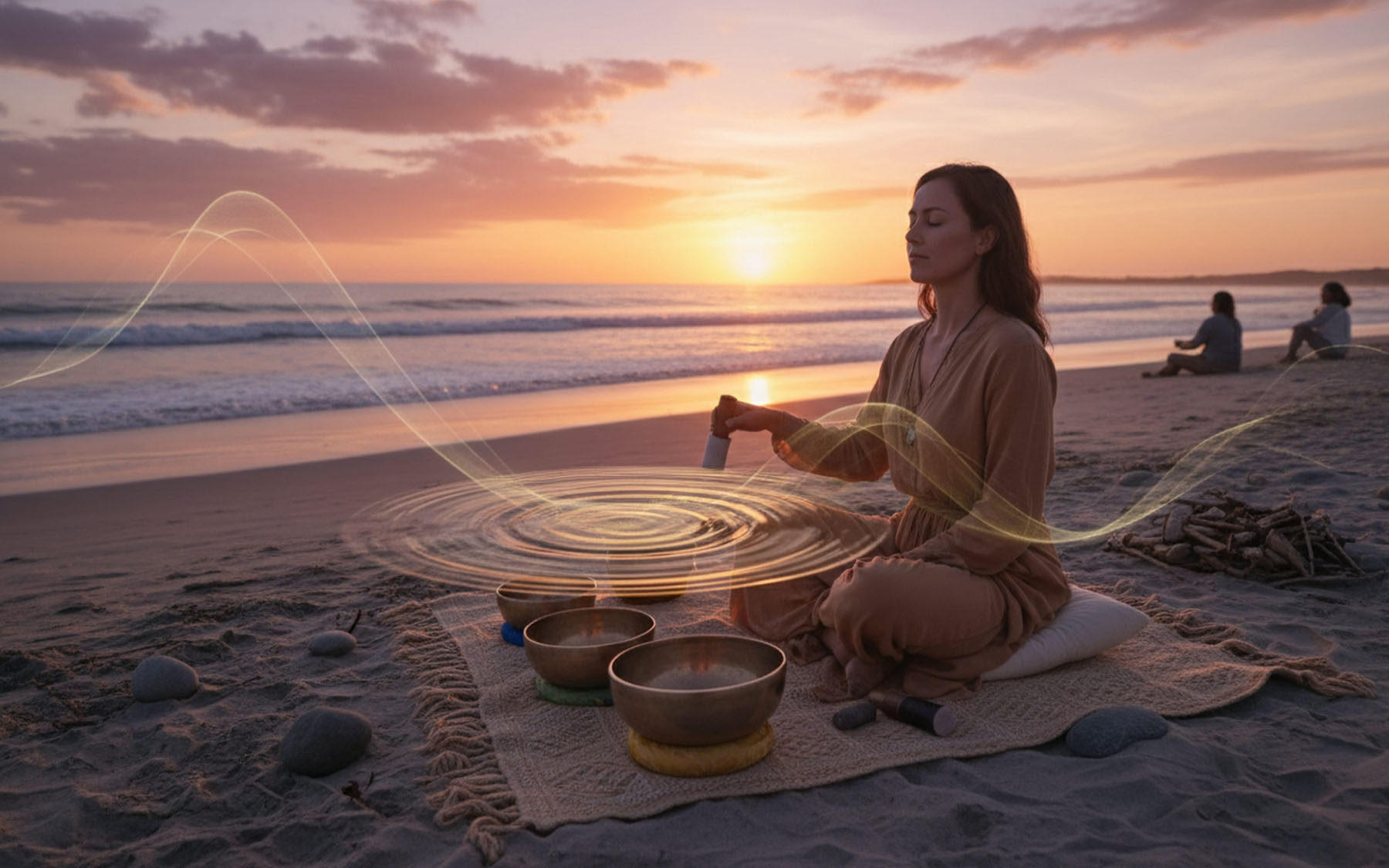
As this interest grows, so does the demand for sound baths, singing bowl sessions, and immersive relaxation experiences. Unlike rigid career structures, this field allows gradual growth. A person may begin with a few local sessions, then expand into workshops, retreats, private healing, online music creation, or educational content.
This makes it a path that can evolve with both your skills and your audience.
Do You Need Training or Certification?
There is no universal rule in every country, but proper training is strongly recommended. Training helps you understand how to play singing bowls effectively, how to structure a sound bath, how different instruments affect the environment, and how to guide sessions in a safe and grounded way.
Even if certification is not legally required, it can help build confidence and trust. For anyone serious about becoming a singing bowl healer or sound bath facilitator, education is an important step.
How to Start a Career in Sound Healing
Starting a sound healing career does not mean you need a large studio or dozens of instruments from the beginning. A more realistic path starts with learning the practice properly, building a real connection with your instruments, and offering small sessions before expanding.
You may eventually choose to become known as a singing bowl healer, a sound bath facilitator, a meditation guide, or an integrated wellness practitioner. A clear direction, consistent practice, and a professional online presence can help people understand your work and trust your services.
Explore Singing Bowls for Sound Healing
If you are serious about becoming a singing bowl healer, the quality of your instruments matters. Authentic handmade bowls offer richer resonance, better tonal depth, and a more meaningful sound healing experience.
Request a Custom Singing Bowl
Want a bowl designed for your practice, gift, or healing brand? A custom singing bowl can make your work feel more personal and aligned with your sound healing journey.
Why the Right Singing Bowls Matter
Your instruments are not just tools. They are the foundation of the experience you create.
Authentic Himalayan singing bowls , especially handcrafted bowls made in Nepal, are valued for their deeper resonance, layered overtones, and natural tonal character. For a practitioner, this matters because the richness of the sound can shape the entire session.
Whether you are preparing for private healing work or leading public sound baths, investing in well-made singing bowls supports both your confidence and your credibility.
Can This Become a Sustainable Career?
Yes, but usually not by accident.
A singing bowl healing career becomes sustainable when you combine genuine practice, quality instruments, clear communication, regular marketing, and community trust. Some people will keep it as a soulful side path, while others will grow it into a full-time role by combining healing sessions, workshops, digital music, and education.
The sustainability depends not only on talent, but on consistency.
A Career That Blends Healing, Presence, and Purpose
A singing bowl healing career is different from many other professions because it is built around experience, atmosphere, and presence. You are not only offering sound. You are offering space, pause, and calm in a world that often feels too fast.
Whether you grow into the role of a singing bowl healer, a sound bath facilitator, or a broader sound healing practitioner, this path can be both personally meaningful and professionally rewarding.
FAQ About a Singing Bowl Healing Career
Can you really build a career as a singing bowl healer?
Yes. Many people begin part-time and gradually grow through private sessions, sound baths, workshops, retreats, and online content. It often starts small, but it can become a meaningful professional path.
Do you need certification to offer sound healing sessions?
Certification is not always legally required, but training is highly recommended. It helps you understand technique, session structure, safety, and how to work more confidently with clients.
What is the difference between a singing bowl healer and a music therapist?
A singing bowl healer usually works in holistic wellness, while a music therapist is generally part of a more formal clinical profession with accredited training and structured therapeutic goals.
Can sound baths become a source of income?
Yes. Sound baths can generate income through group events, private sessions, retreat work, studio partnerships, and online promotion.
Can you make income from singing bowl music online?
Yes. Many practitioners create meditation music, sleep tracks, and calming sound recordings to share on platforms like YouTube, Spotify, and social media. This can support brand growth and additional income streams.
Why do authentic Himalayan singing bowls matter for sound healing?
Authentic handmade bowls usually offer richer resonance, layered overtones, and more depth in sound. This can improve the overall quality of a healing or meditation session.
How much does it cost to become a singing bowl healer?
The cost can vary depending on how you start. A beginner setup usually ranges from $500 to $1,500, while a more professional setup with multiple singing bowls, training, and equipment can cost between $3,000 and $10,000 or more.
Can I start sound healing with a low budget?
Yes. Many people begin with one or two high-quality singing bowls and a simple home setup. You can gradually expand your instruments and skills as your practice grows.
What is the most important investment when starting?
The most important investment is quality singing bowls. Even a small number of well-made bowls can create a powerful sound healing experience, often more effectively than a large set of low-quality instruments.
Do I need expensive training to become a sound healer?
Not necessarily. There are affordable online courses available, but investing in proper training can improve your confidence, technique, and professional credibility over time.
Can I recover the cost through sound healing sessions?
Yes. Many practitioners recover their initial investment by offering private sessions, group sound baths, workshops, and online content. With consistency, it can grow into a sustainable income source.