




Singing Bowl Mallet Guide: Wooden vs Felt Striker – Which One Should You Use?
Many beginners struggle to get the right sound from a singing bowl. In many cases, the issue is not the bowl itself, but the mallet being used. A singing bowl can produce very different tones depending on whether you play it with a wooden mallet or a felt striker.
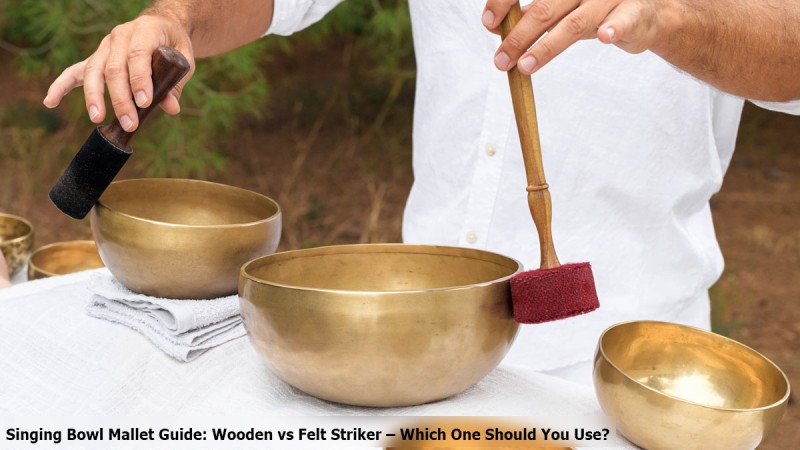
Some singing bowls come with a plain wooden stick, while others include a padded felt striker. Many wooden mallets also have a wrapped section made from suede or a soft synthetic layer, which is designed to help the bowl sing more easily. These tools may look simple, but they create very different sounds and playing experiences.
Understanding the difference between these mallets will help you get more from your singing bowl, whether you use it for meditation, sound healing, relaxation, or spiritual practice.

Why the Mallet Matters
A singing bowl is not only about the bowl itself. The way you play it changes the sound, vibration, and feeling completely. The mallet you use affects how easily the bowl responds, how deep the tone feels, and whether the sound is continuous or struck.
In simple terms, the mallet is what helps bring the voice of the bowl to life.
Wooden Mallet (Plain and Wrapped)
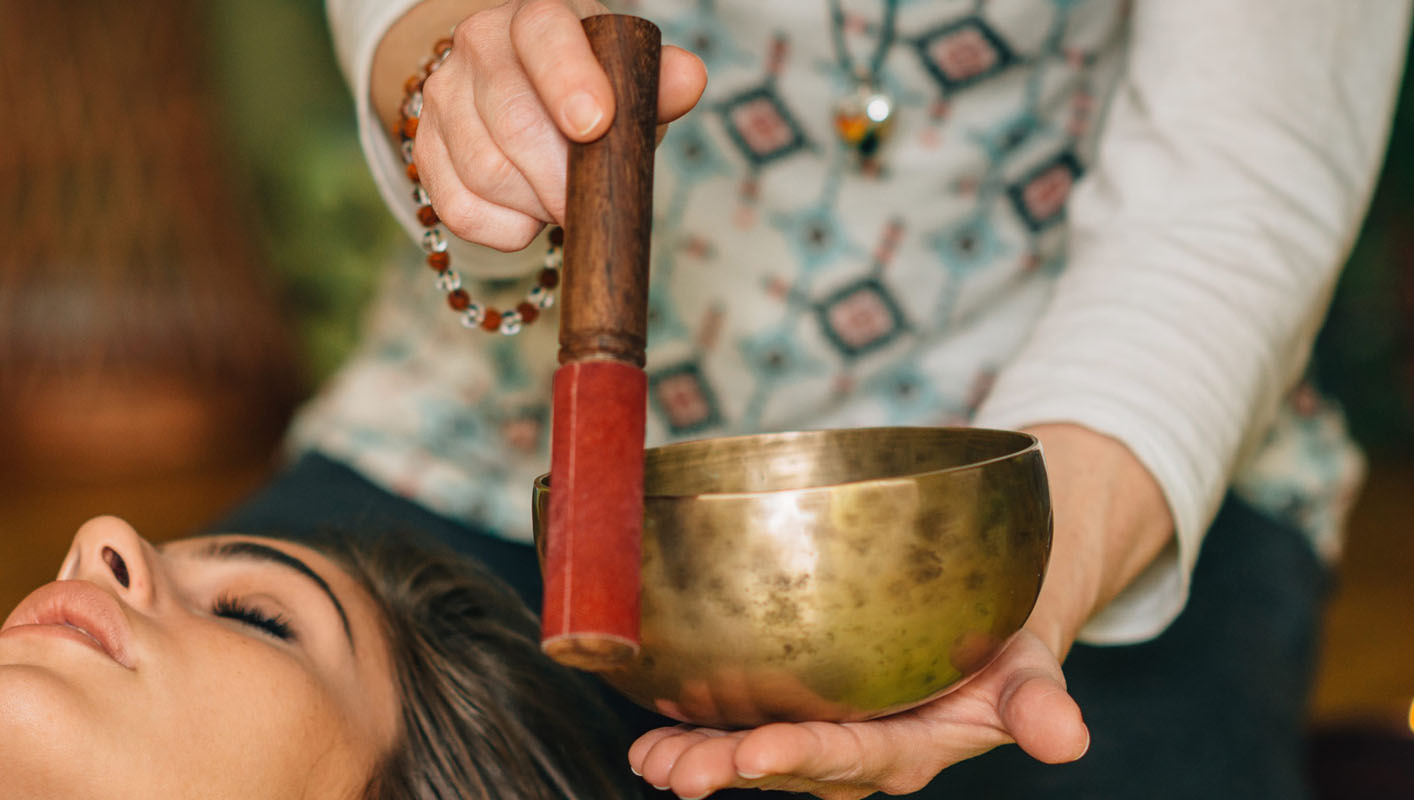
A wooden mallet is traditionally used to make a singing bowl produce its well-known continuous tone. Instead of simply striking the bowl, you gently move the mallet around the outer rim in a circular motion. This technique builds vibration gradually and creates the singing sound many people associate with Himalayan singing bowls.
Many wooden mallets are not completely bare wood. They often include a wrapped section made from suede or a soft synthetic layer. This wrapped area is especially useful when rubbing the rim because it gives better grip and smoother friction. It also helps reduce harsh scraping noise that can happen when using only bare wood.
The wrapped section is mainly used for rubbing the bowl, while the plain wooden part can also be used for light striking. When struck with the wooden part, the bowl tends to produce a brighter and more direct tone.
The sound created with a wooden mallet is usually more active, more vibrant, and richer in upper harmonics. It takes some practice because the pressure, speed, and angle must be controlled, but once learned, it allows you to fully activate the bowl and create a steady continuous tone.
Felt Striker (Padded Mallet)

A felt striker is much easier to use, especially for beginners. Instead of rubbing the rim, you simply tap the singing bowl gently. This creates a deep, warm, and calming tone that resonates outward in a very natural way.
Compared to a wooden mallet, a felt striker produces a softer and more grounded sound. It is less sharp, less bright, and often feels more relaxing right away. Because it does not require any rubbing technique, it is ideal for people who want a simple and accessible way to enjoy their bowl.
Felt strikers are commonly used in sound baths, gentle healing sessions, meditation environments, and personal relaxation practice. Even a soft strike can produce a rich sound with very little effort.
Comparison: Wooden Mallet vs Felt Striker
| Feature | Wooden Mallet (Wrapped) | Wooden Mallet (Plain) | Felt Striker |
|---|---|---|---|
| Main Use | Rubbing the rim | Light striking | Gentle tapping |
| Sound Type | Continuous singing tone | Bright, sharp tone | Deep, soft resonance |
| Ease of Use | Medium | Easy | Very easy |
| Sound Feel | Active and vibrant | Clear and direct | Calm and grounding |
| Best For | Meditation and sound work | Accent strikes | Relaxation and healing |
| Technique Required | Yes | No | No |
Key Difference in Sound and Experience
The main difference between these tools comes down to how the sound feels and how the bowl is activated.
A wooden mallet creates a more active and expressive sound, especially when using the wrapped section to circle the rim. This style is excellent for people who want a continuous singing tone, a more traditional playing technique, and a stronger sense of engagement during meditation or sound practice.
A felt striker creates a softer, deeper, and more immediate sound. It is better suited to people who want quick resonance without technique, especially in calming environments where grounding and warmth are more important than building a continuous tone.
Which One Should You Use?
There is no single best option for every person. The right choice depends on how you want to use your singing bowl.
If you want to create a continuous singing tone, learn traditional techniques, and actively work with the sound, a wooden mallet is the better choice. A wrapped wooden mallet is especially helpful because it makes rubbing the rim easier and smoother.
If you want a simpler and more beginner-friendly experience, a felt striker is often the better option. It creates a deep and soothing tone with very little effort, making it ideal for relaxation, stress relief, and gentle sound sessions.
Many people enjoy using both, depending on the setting and the mood they want to create.
Choosing the Right Setup for Your Singing Bowl
If you are just beginning, a felt striker is usually the easiest way to enjoy the calming sound of a singing bowl right away. As you become more familiar with the instrument, a wooden mallet, especially one with a suede or soft synthetic wrapped section, allows you to explore a wider range of tones and a more traditional style of playing.
In practice, both tools serve different purposes, and together they give you a fuller sound experience.
Most Dharma Tool singing bowls come with both a wooden mallet and a felt striker, allowing you to enjoy both deep resonance and continuous singing tones depending on your preference and practice.
Frequently Asked Questions
Which mallet is best for beginners?
A felt striker is usually best for beginners because it is easy to use and produces a pleasant sound instantly without special technique.
Why is my singing bowl not making sound when I rub it?
This usually happens when the pressure, speed, or angle is not correct. A wrapped wooden mallet can help because it gives better friction and makes it easier to maintain a smooth circular motion.
Can I use one mallet for everything?
A wrapped wooden mallet is versatile and can be used for rubbing and light striking, but a felt striker is often better for deep and calming tones. Each tool has its own strength.
Do I need both a wooden mallet and a felt striker?
You do not have to use both, but having both gives you more flexibility and lets you explore different styles of sound from the same bowl.
What is the wrapped part of a wooden mallet made from?
The wrapped section is commonly made from suede or a soft synthetic layer. It is designed to improve grip and friction when rubbing the rim of the bowl.