




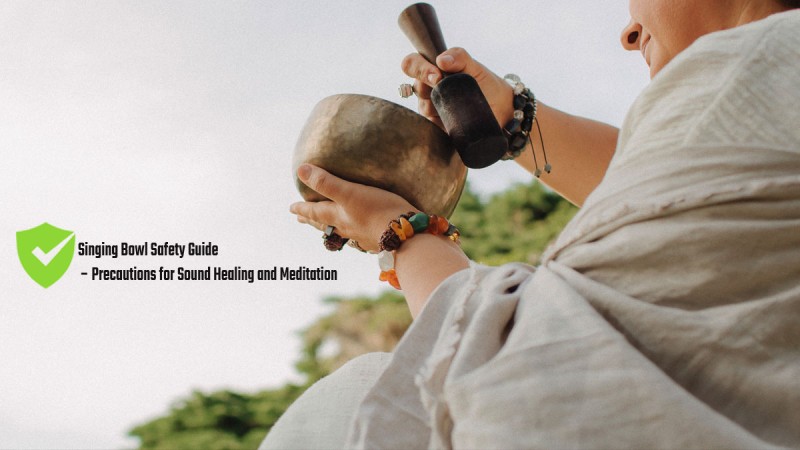
Are There Any Precautions When Using Singing Bowls?
Singing bowls have been used for centuries in Himalayan traditions for meditation, relaxation, prayer, and spiritual practice. Today, they are also widely used in yoga studios, sound healing sessions, wellness spaces, and home meditation routines around the world.
For most people, singing bowls are gentle and calming tools. Their layered tones and vibrations can support mindfulness, stress relief, and deeper relaxation. However, like many wellness practices, there are certain situations where extra care is recommended. Understanding these precautions can help you enjoy singing bowls more safely and comfortably.
This guide explains some of the most common precautions associated with singing bowls and why mindful use matters, especially for beginners and people with certain medical or physical conditions.
Why Singing Bowls Can Affect the Body
When a singing bowl is tapped or played around the rim, it produces sound waves and subtle vibration. If the bowl is placed near the body, or directly on the body during certain sound therapy practices, those vibrations may be felt physically as well as heard.
Many people find this deeply relaxing. The sound can help quiet mental chatter, slow breathing, and create a peaceful atmosphere. At the same time, strong sound or vibration may not feel suitable for everyone in every situation. That is why many experienced makers, sound practitioners, and meditation teachers recommend a thoughtful approach.
Beginners Should Start Slowly
If you are new to singing bowls , it is best to begin with short sessions rather than long ones. A simple 5-minute session is often enough to help you understand how your body and mind respond to the sound.
Some people relax very quickly, while others may feel overstimulated if the tones are too strong or prolonged. Starting slowly gives you the chance to build comfort gradually and find a style of practice that feels natural.
Epilepsy and Seizure Sensitivity
People with epilepsy or seizure-related conditions should be cautious with singing bowls. Certain repetitive sensory experiences, including sound in some situations, may not be appropriate for everyone with seizure sensitivity.
Because each individual responds differently, it is generally safest for people with epilepsy to seek medical advice before participating in singing bowl sessions, especially in group sound baths or intense sound healing environments.
Metal Implants and Medical Devices
One of the most commonly mentioned precautions involves medical devices or metal implants inside the body. This can include pacemakers, artificial heart valves, surgical pins, plates, screws, staples, or similar implanted devices.
While many people with implants may still enjoy listening to singing bowls at a comfortable distance, practitioners often recommend avoiding direct placement of vibrating bowls on the body in these cases. Playing the bowl nearby rather than on the body is usually the more cautious approach.
Avoid Direct Placement Over Sensitive Areas
In body-based sound healing, bowls are sometimes placed on or around the body so that the vibration can be physically felt. However, bowls should not be placed directly over sensitive or medically affected areas.
This includes places with tumors, recent surgical sites, implants, screws, artificial joints, or healing wounds. Even if the sound feels pleasant, direct vibration over these areas may cause discomfort and is generally best avoided.
Mental and Emotional Sensitivity
Singing bowls can create a deeply calming and inward-focused state. For some people, that quiet mental space can also bring up strong feelings, memories, or emotional reactions.
This does not mean singing bowls are harmful, but individuals dealing with PTSD, anxiety, depression, or other mental health challenges may wish to approach sound work gently and with awareness. In some cases, working with a qualified therapist or experienced practitioner can make the experience feel more supportive and grounded.
Skin Conditions and Physical Irritation
If you have sensitive or inflamed skin, such as eczema, psoriasis, hives, or another irritated skin condition, it is better not to place a singing bowl directly on the affected area. The contact, pressure, or vibration may increase irritation.
You can still enjoy the sound of the bowl by playing it nearby during meditation or relaxation instead of placing it on the body.
Pregnancy and Singing Bowls
Pregnancy is another time when extra care is often recommended. Many practitioners advise against placing singing bowls directly on or very close to the belly or lower back during pregnancy.
Gentle sound meditation from a comfortable distance may still be enjoyed in many cases, but it is wise to keep sessions short and moderate. If there is any uncertainty, medical advice should always come first.
Children and Hearing Protection
Children are often curious about singing bowls, and they can be wonderful tools for introducing calm, focus, and mindful listening. However, children also have more sensitive hearing than adults.
Bowls should never be played too loudly or too close to a child’s ears. Supervision is important, especially if a child is striking or rubbing the bowl on their own.
After Surgery
If you have recently had surgery, it is best to avoid placing singing bowls on the body until the area has properly healed. Fresh wounds, stitches, swelling, and tender tissues may not respond well to direct vibration.
Waiting until sutures are removed and the skin is fully healed is the safer choice before resuming direct body-based sound work.
General Safety Tips for Singing Bowl Practice
For most people, singing bowls are safe and enjoyable when used mindfully. A few simple habits can make the experience more comfortable:
- Start with short sessions if you are a beginner
- Keep the sound at a comfortable volume
- Avoid placing bowls directly on sensitive parts of the body
- Use nearby sound rather than body placement if you have medical concerns
- Be especially careful with children, pregnancy, recent surgery, or implanted devices
Mindful Use Matters Most
Singing bowls are generally safe when used with care, awareness, and common sense. For many people, they offer a peaceful way to support meditation, relaxation, and spiritual practice. The key is not fear, but mindfulness. When you understand when to be cautious, you can enjoy the beauty of singing bowl sound with more confidence.
Explore Handmade Singing Bowls from Dharma Tool
If you are looking for authentic handmade singing bowls for meditation, sound healing, yoga, and spiritual practice, explore the Dharma Tool collection. Our bowls are crafted in Nepal using traditional methods and selected for both sound quality and visual beauty.