




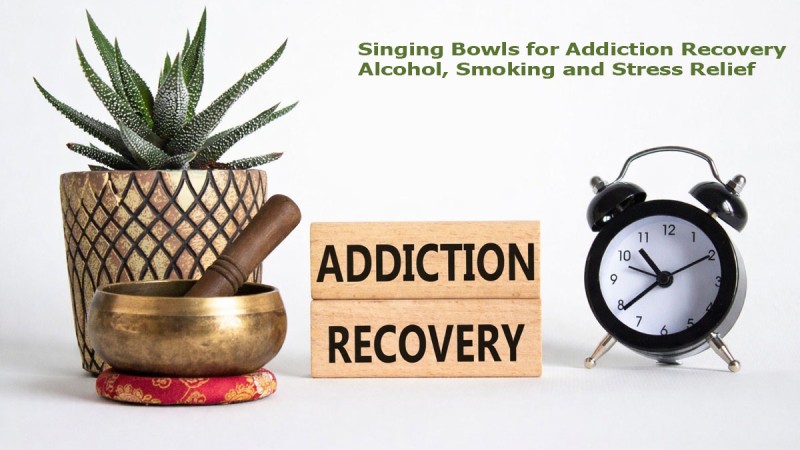
Singing Bowls and Addiction Recovery: Alcohol, Smoking, Drugs, Anxiety and Depression
Addiction to substances such as alcohol, nicotine, and drugs is a complex condition that affects both the brain and behavior. Research in neuroscience shows that addiction is closely related to the brain’s reward system, stress response mechanisms, and emotional regulation pathways. Individuals struggling with substance dependency often experience high levels of anxiety, depression, and psychological stress.
In recent years, complementary wellness practices such as meditation, breathwork, and sound therapy have been explored as supportive approaches for improving emotional well-being. One instrument frequently used in meditation and relaxation practices is the Tibetan singing bowl.
Although singing bowls are not a medical treatment for addiction, their calming sound and vibration may help create a mental state that supports relaxation, mindfulness, and emotional balance.
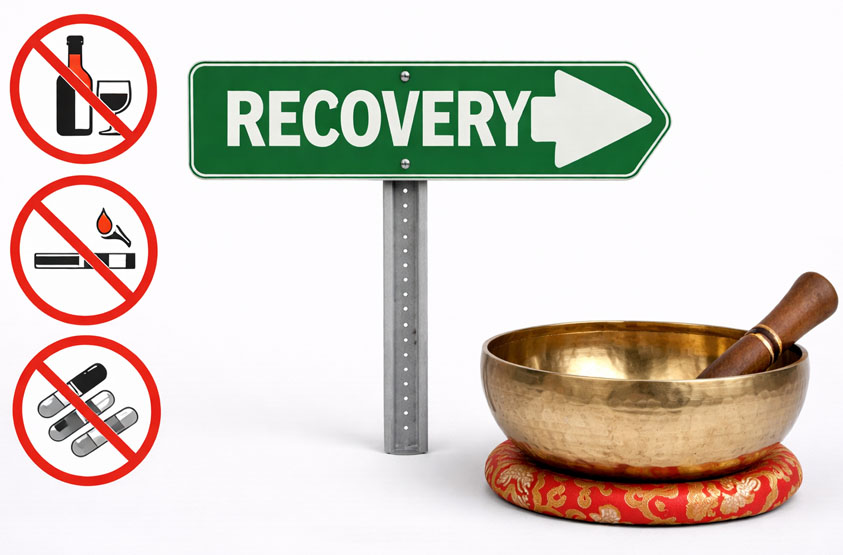
The Link Between Stress, Depression, and Addiction
Scientific studies show that addiction is often strongly connected to chronic stress and emotional instability. Many individuals initially use substances such as alcohol, cigarettes, or drugs as a coping mechanism to temporarily relieve emotional discomfort.
Common psychological factors associated with substance dependency include chronic stress, anxiety disorders, depression, trauma or emotional pain, sleep disturbances, and social isolation. These emotional conditions can increase the risk of substance use and make recovery more difficult. For this reason, modern recovery programs often include techniques that help regulate stress and emotional responses.
How Singing Bowls Produce Relaxation
Singing bowls create sustained harmonic tones when struck or when a mallet is moved around the rim of the bowl. These tones contain complex acoustic frequencies and overtone structures that can influence how the brain processes sound.
Listening to slow, resonant sounds may help activate the body’s parasympathetic nervous system, which is responsible for the relaxation response. When this system becomes active, several physiological changes may occur, including reduced heart rate, slower breathing, decreased muscle tension, and improved mental calmness. These responses are similar to those observed in many meditation practices.
Research on Singing Bowl Meditation
Some scientific studies have examined the psychological effects of singing bowl meditation sessions. Observational research on sound meditation involving Tibetan singing bowls and similar instruments has reported reductions in negative mood states such as tension, anxiety, anger, fatigue, and depressive mood after a session.
Participants in these studies also often report feeling more relaxed and emotionally balanced following the meditation experience. While these findings do not demonstrate that singing bowls treat addiction, they suggest that sound meditation may influence emotional states that often contribute to substance dependency.
Supporting Emotional Regulation During Recovery
Addiction recovery involves more than stopping substance use. It also requires developing healthier ways to regulate stress and emotional responses. Meditation practices using singing bowls may support recovery in several ways.
Stress Reduction: Stress is one of the most common triggers for relapse. Relaxation techniques that calm the nervous system may help reduce the intensity of stress responses.
Mindfulness Training: Sound meditation encourages focused attention on the present moment. This awareness can help individuals observe cravings without immediately acting on them.
Emotional Stabilization: Deep relaxation states may help individuals process emotions that were previously suppressed or avoided.
Improved Sleep: Sleep disturbances are common during recovery from alcohol or drug dependence. Relaxation practices before bedtime may help calm the mind and support better sleep.
Singing Bowls and Smoking Habit Awareness
Smoking addiction often develops through repeated behavioral patterns associated with stress or emotional triggers. Mindfulness practices using sound can help individuals become more aware of these triggers.
For example, when a craving occurs, a person may pause and focus on the sound of a singing bowl instead of immediately reaching for a cigarette. This pause between impulse and action can be an important step in breaking habitual patterns.
Vibrational Sound and Somatic Awareness
Unlike many meditation tools, singing bowls produce vibrations that can be physically felt in addition to being heard. These vibrations may enhance somatic awareness, which refers to the perception of internal bodily sensations.
Somatic awareness techniques are often used in stress-reduction programs because they help individuals reconnect with their physical sensations and emotional states. The tactile vibration of a singing bowl can therefore create a grounding experience that encourages present-moment awareness.
Integration in Wellness and Recovery Environments
Some wellness centers and meditation programs incorporate singing bowls into group relaxation sessions known as sound baths. During these sessions, participants lie down while several resonant instruments are played around them.
Participants often describe these sessions as deeply relaxing and emotionally calming. Although such practices are not a substitute for medical treatment, they may help create a supportive environment for emotional healing and stress reduction.
Traditional Himalayan Singing Bowls
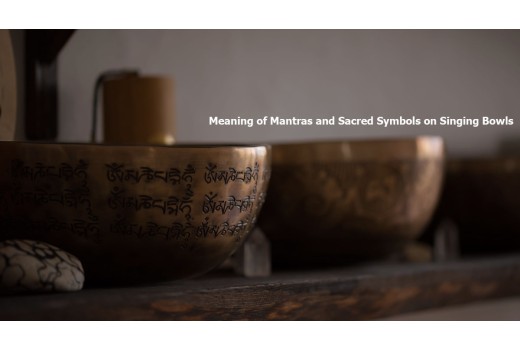
Singing bowls have been used for centuries in the Himalayan regions of Nepal and Tibet for meditation and spiritual practices. Today they are widely used in yoga studios, wellness centers, and sound meditation environments around the world.
Their deep tones and resonant vibrations make them a popular tool for relaxation and mindfulness practices. If you are interested in exploring sound meditation, authentic Himalayan singing bowls offer a simple and accessible way to begin.
Explore Traditional Tibetan Singing Bowls
Hand-hammered Himalayan singing bowls designed for meditation, relaxation, and sound therapy practices.
Browse Singing BowlsFAQ
Can singing bowls cure addiction?
No. Singing bowls are not a medical treatment for addiction. They may support relaxation and mindfulness practices that help manage stress.
Do singing bowls help reduce anxiety?
Some research suggests that sound meditation using singing bowls can reduce tension and anxiety by promoting relaxation.
Can singing bowls help with depression?
Singing bowl meditation may help create a calming mental state and support emotional well-being, but it is not a replacement for professional mental health treatment.
Are singing bowls used in therapy?
Some meditation teachers and wellness practitioners use singing bowls in relaxation or mindfulness sessions.
How long should a singing bowl meditation session last?
Many meditation sessions last between 10 and 30 minutes, although even a few minutes of focused listening may help promote relaxation.
Note
Singing bowls and sound meditation should be considered complementary wellness practices, not medical treatments. There is currently no scientific evidence proving that singing bowls can cure alcoholism, smoking addiction, drug dependency, or mental health disorders.
Individuals struggling with addiction, depression, or anxiety should always seek support from qualified healthcare professionals, therapists, or addiction specialists. Meditation practices such as singing bowls may be used as supportive tools to encourage relaxation, mindfulness, and emotional balance alongside professional care.