




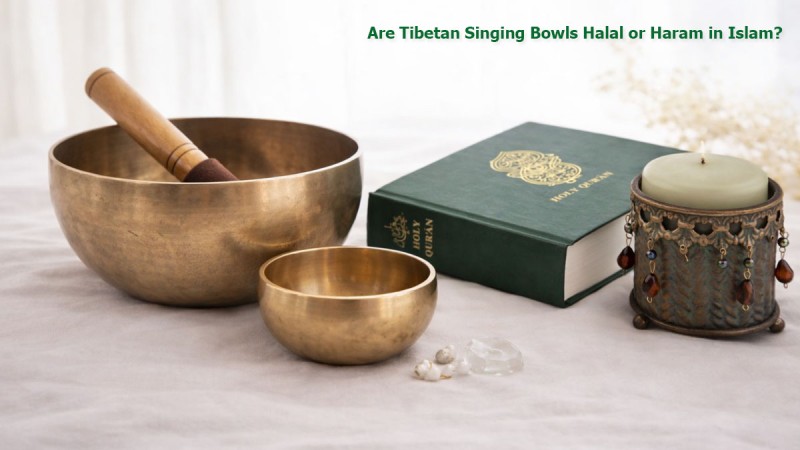
Are Singing Bowls Halal? Islamic Perspective on Sound Healing and Meditation
As Tibetan singing bowls and Himalayan singing bowls become more popular around the world, many Muslims are asking an honest and important question: Are singing bowls halal or haram in Islam?
This is a valid concern. In Islam, intention, belief, and the purpose behind an action matter deeply. That is why anything connected with meditation, sound healing, or spiritual wellness naturally leads to questions about whether it fits within Islamic values.
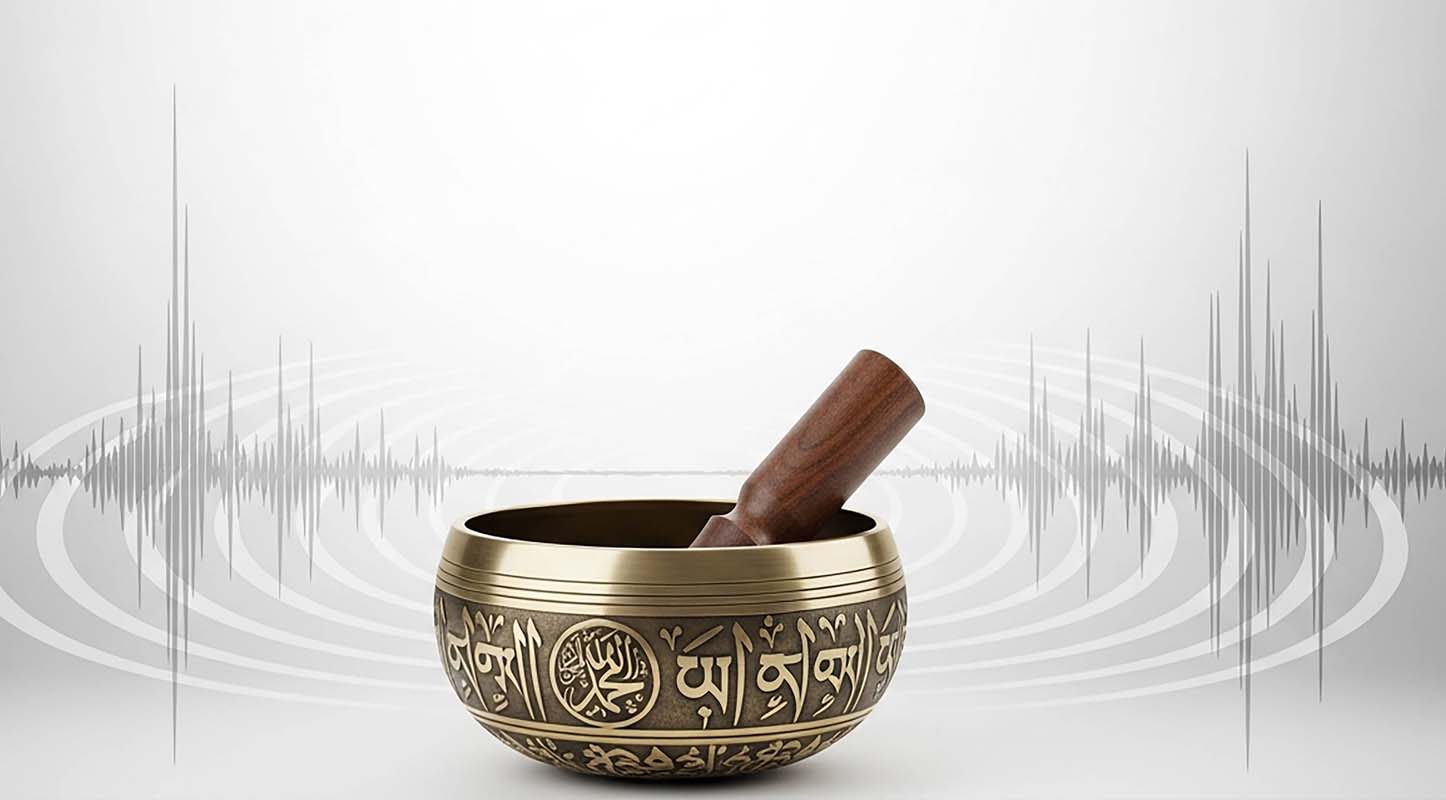
The short answer is this: a singing bowl itself is not automatically haram. What matters is how it is used, what a person believes about it, and whether it is treated as a simple sound tool or as something with spiritual power of its own.
What Is a Singing Bowl?
A singing bowl, often called a Tibetan singing bowl or Himalayan singing bowl, is a handcrafted metal bowl that produces a long, resonant tone when struck or played around the rim with a mallet.
Today, people use singing bowls for many reasons, including relaxation, mindfulness, quiet reflection, meditation, and sound-based wellness sessions. Some people simply enjoy the calming tone. Others use a plain singing bowl as part of a peaceful daily routine at home.
From an Islamic perspective, the bowl itself is only an object. Islam does not make ordinary objects haram unless they are used in a way that conflicts with Islamic belief or practice.
The Islamic Principle: Intention and Belief Matter Most
One of the important principles in Islam is that things are generally permissible unless there is a clear reason they become forbidden. So the main issue is not the metal bowl itself. The real issue is aqeedah, intention, and how the bowl is understood.
If a person uses a Himalayan singing bowl only as a relaxing sound tool, that is very different from believing that the bowl carries hidden spiritual power, controls energy, or replaces remembrance of Allah.
That difference is where the discussion becomes important.
When a Singing Bowl May Be Considered Halal
A Tibetan singing bowl may be considered acceptable when it is used in a simple, non-religious way, such as:
- Creating a peaceful atmosphere at home
- Supporting quiet reflection
- Helping with relaxation after stress
- Using gentle sound as part of a calm routine
- Enjoying the tone of a handmade singing bowl without attaching spiritual beliefs to it
In this kind of use, the bowl is treated much like any other calming sound source. The person is not worshipping it, depending on it spiritually, or treating it as a source of unseen power. It is simply being used for sound.
Explore Plain Handmade Singing Bowls
Looking for a plain singing bowl with a clean, simple look and traditional sound? Browse our collection of handmade Tibetan singing bowls selected for sound, craftsmanship, and authentic Nepalese artistry.
Shop Plain Handmade Singing BowlsWhen Singing Bowls Become Doubtful or Not Permissible
The concern in Islam begins when a singing bowl is given meanings that go beyond a simple sound tool.
It may become doubtful or problematic if someone believes:
- The bowl has healing power on its own
- The sound controls spiritual energy independently
- The bowl connects a person to unseen forces
- The bowl is part of a non-Islamic spiritual ritual
- The bowl replaces dhikr, du’a, or reliance on Allah
In Islam, healing, protection, and spiritual benefit come from Allah alone. Objects do not hold independent sacred power. So if a person starts treating a Himalayan singing bowl as a spiritual authority or a source of power in itself, that crosses into a very different area.
Is Sound Healing Itself Haram?
This is where many people become confused. The phrase sound healing is often used in broad ways. Some people use it to describe simple relaxation through soothing sound. Others use it in a spiritual or mystical sense.
If the meaning is simply that sound helps a person relax, focus, or feel calm, many Muslims may see that as no different from listening to rain, quiet water, or other peaceful sounds.
But if singing bowl sound healing is presented as a spiritual system with beliefs about energies, chakras, or divine power flowing from objects, then that would raise serious Islamic concerns.
So the issue is not only the sound. It is the belief system placed around the sound.
Sound in Islam: Peace Comes Through Remembrance of Allah
Islam already teaches that the heart finds peace through remembrance of Allah. The recitation of the Qur’an, dhikr, and sincere du’a carry meaning, guidance, and spiritual depth in a way that instruments do not.
This is why many Muslims are careful. They may appreciate calm sounds, but they do not want to blur the line between relaxation and religious practice.
A bowl can make a peaceful tone, but for a Muslim, true spiritual peace comes from Allah, not from the object itself.
Can You Order a Singing Bowl with Islamic Words or Meaning?
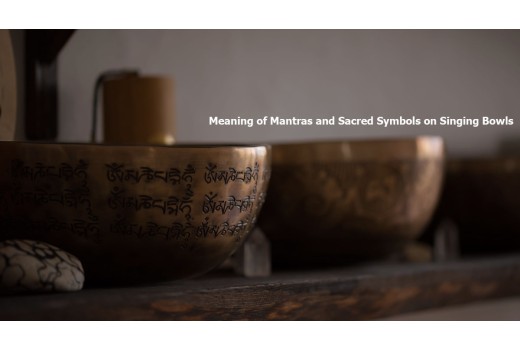
Some customers prefer a bowl that reflects their own values rather than bowls decorated with symbols or mantras from other traditions. In that case, a custom singing bowl may be a meaningful option.
For example, some people may wish to request a plain bowl or ask for a custom piece featuring a respectful Islamic phrase, a personal reminder, or a non-figurative design that feels more suitable for their home or gift purpose.
This can be especially useful for those who want the beauty and calming sound of a handmade singing bowl without design elements that do not match their beliefs.
Request a Custom Singing Bowl
Want a more personal design? You can request a custom singing bowl with a simple layout, meaningful wording, or an Islamic saying according to your preference. We can help create a bowl that feels more personal and respectful for your use or gifting purpose.
Request a Custom Singing BowlA Balanced Muslim View on Tibetan Singing Bowls

A balanced view is often the most useful one. A Tibetan singing bowl is not automatically halal or haram in every situation without context. The ruling depends on use.
If it is treated as a decorative or calming object with no spiritual claims, many people will see it as a neutral tool. If it is surrounded by beliefs that conflict with tawheed, then it becomes problematic.
For Muslims who want to stay cautious, the safest path is simple:
- Do not give the bowl spiritual power
- Do not connect it to beliefs outside Islam
- Do not use it as a replacement for Islamic remembrance
- Keep it in the category of sound, design, and atmosphere only
Final Reflection: The Bowl Is an Object, the Belief Is the Real Issue
So, are singing bowls halal?
The bowl itself is just an object. The main issue in Islam is not the metal, shape, or sound alone. The issue is what a person believes about it and how they use it.
A plain singing bowl used for a peaceful sound at home is very different from treating a bowl as a spiritual force. That distinction matters.
For Muslims who appreciate the craftsmanship of a handmade Himalayan singing bowl but want to stay within clear boundaries, a simple plain bowl or a thoughtful custom design may be the best path.
Frequently Asked Questions
Are singing bowls halal in Islam?
Singing bowls may be considered halal when used only as sound tools for relaxation or peaceful atmosphere. The concern begins when spiritual power or non-Islamic religious meaning is attached to them.
Are Tibetan singing bowls haram?
A Tibetan singing bowl is not automatically haram as an object. What matters is the belief behind its use. If it is treated as a spiritual source of power or part of another religious system, that would be problematic in Islam.
Can Muslims use a Himalayan singing bowl for relaxation?
Many would say yes, if it is used simply for calm sound and not for ritual, mystical belief, or anything that replaces reliance on Allah.
Is sound healing allowed in Islam?
Calming sound itself is not the main problem. The issue is when sound healing is tied to beliefs that objects or vibrations have independent spiritual power apart from Allah.
Is a plain singing bowl better for Muslim customers?
For many Muslim customers, a plain singing bowl can feel more suitable because it avoids symbols, mantras, or imagery that may not match their beliefs.
Can I order a custom singing bowl with an Islamic saying?
Yes. A custom singing bowl may be requested with a simple design, a personal message, or an Islamic saying based on your preference.