




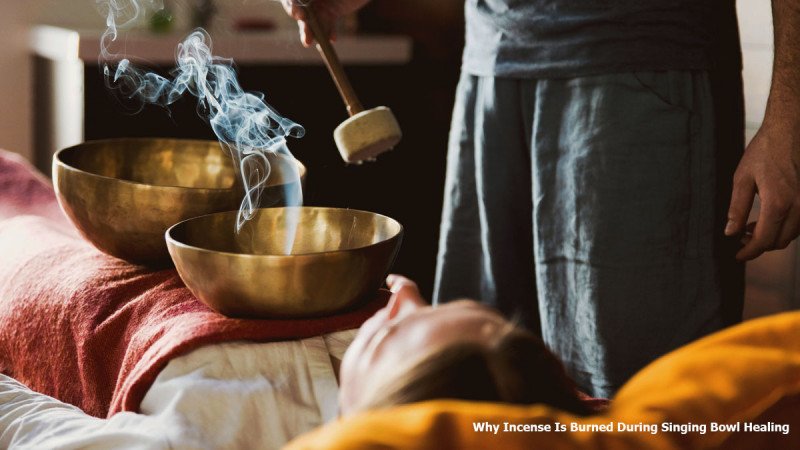
Why Is Incense Burned During Singing Bowl Healing?
Incense is burned during singing bowl sessions for two reasons that work together. Traditionally it comes from the Himalayan sang offering — a juniper smoke ritual used to purify a space before practice. Practically, smell is the only sense that reaches the emotional brain without passing through the thalamus first, which makes scent unusually direct at shifting mood and unusually good at becoming a learned cue for a settled state.
Walk into any monastery in Kathmandu Valley and the smell arrives before anything else. Juniper, sandalwood, something resinous and slightly bitter underneath. It is there before you hear a bell, before you see a shrine.
That ordering is not accidental, and it is not decoration. Himalayan practice has treated smoke as preparation for centuries — the thing that changes a room before anything else begins in it. Modern neuroscience explains why that works rather better than most traditions get explained.
This guide covers where the practice comes from, what is actually in Tibetan incense, why smell behaves differently from sound, and how to use the two together in a session properly.
Why Does Smell Reach You Differently From Sound?
Every sense you have routes through the thalamus first — a relay station in the middle of the brain that sorts incoming signals and passes them upward. Sight, sound, touch and taste all take that road.
Smell does not. Olfactory signals travel from the nose to the olfactory bulb and straight into the piriform cortex, the amygdala and the hippocampus — the structures handling emotion and memory. No relay, no filtering stage, no gatekeeper.
This is the reason a smell can put you somewhere from thirty years ago before you have consciously identified it. The emotional and memory response arrives ahead of the recognition, because it took a shorter road.
What That Means Alongside a Singing Bowl
A singing bowl reaches you through two channels already — sound through the ear and, if the bowl is large enough, felt vibration through the body. Those two are distinct at the level of receptors and nerves, and converge in the midbrain.
Incense adds a third channel that arrives by an entirely different route and lands directly in the emotional centres. You are not stacking one pleasant thing on another. You are engaging separate systems that meet in the same place.
For anyone who struggles to settle, this matters. Sound can be thought about. Vibration can be noticed and analysed. Smell arrives underneath all of that, in a part of the brain that does not deal in language at all.
The Sang Offering: Where the Practice Comes From
Burning incense before practice is not a wellness addition. In the Himalayan world it is a formal ritual called sang — also written lhasang or sangsol — and it predates any modern use of these instruments by centuries.
The foundational ingredient is shukpa, creeping juniper, gathered from high Himalayan valleys. In many traditions it is paired with pallu, dwarf rhododendron. The smoke is offered to the Three Jewels, to local spirits and to protectors, and it symbolises the transformation of negativity into something workable.
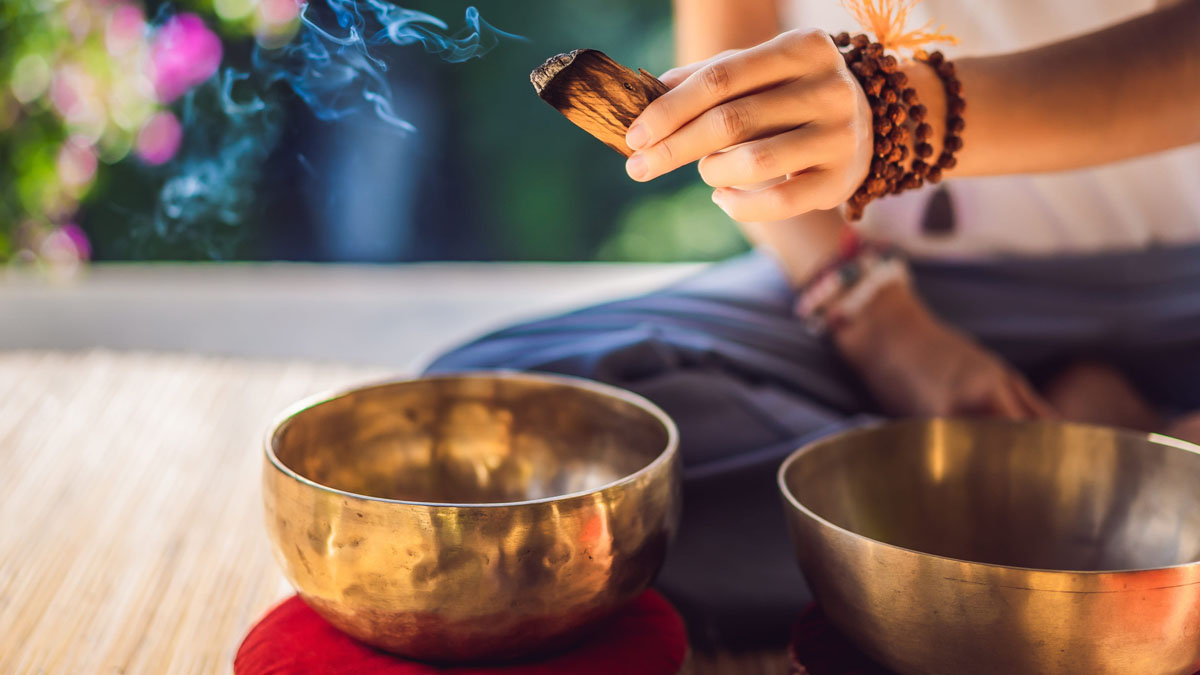
Practically, sang clears a space before anything sacred happens in it. Performed outdoors it uses a large urn-shaped burner called a sangpur. Indoors, a pinch of juniper powder on a charcoal tablet does the same work at domestic scale. Most Tibetan homes and every monastery keep a place reserved for it, and it is performed daily.
The purity requirements are strict, which tells you how seriously it is taken. Ingredients should be as clean as can be afforded, free from alcohol, garlic and onion, and not stepped over during preparation.
So when a sound practitioner lights incense before a session, they are doing something with a long lineage behind it — whether or not they know the name of the ritual they are echoing.
What Is Actually in Tibetan Incense?
Tibetan incense is built differently from the Indian incense most people have encountered, and the difference is structural rather than a matter of fragrance preference.
There is no bamboo core. No glue, no dye, no synthetic perfume. The herbs, resins and woods are ground into a masala, blended to a recipe, and rolled into a solid stick that is entirely the material itself. When it burns, you are smelling the ingredients rather than a fragrance oil painted onto a stick.
Blends commonly run to thirty or forty ingredients. Some monastery formulations use close to a hundred.
| Ingredient group | Typical materials | Character it brings |
|---|---|---|
| Sacred woods | Red and white sandalwood, agarwood, cedar, pine | Warm, deep, grounding base |
| Himalayan conifers | Juniper (shukpa), dwarf rhododendron (pallu) | Sharp, clean, resinous — the purification note |
| Resins | Frankincense, myrrh, amber, borneol | Heavy, sweet, lingering |
| Spices | Cinnamon, cardamom, clove, nutmeg, liquorice | Warmth and complexity |
| High-altitude botanicals | Saffron, snow lotus, hibiscus, red orpine | Rare, prized, subtle upper notes |
The recipes come out of Tibetan medicine — Sowa Rigpa — rather than from perfumery. Incense formulations are prescribed within that medical tradition, and are traditionally used to address low mood, stress and anxiety. Whatever you make of the framework, the practical result is a scent that is earthy and herbal rather than sweet and floral, and considerably more complex than most people expect.
No bamboo core, no glue, no synthetic perfume — the herbs themselves
Our Tibetan incense and accessories are made in Kathmandu to traditional formulations, rolled from ground herbs, resins and woods with nothing added. Pair with a handmade singing bowl or a full chakra set for a complete practice space.
Tibetan Incense and Indian Incense: What Is the Difference?
Both are widely sold as "incense for meditation" and they are quite different products.
| Tibetan | Indian (masala / agarbatti) | |
|---|---|---|
| Construction | Solid rolled herb, no core | Paste on a bamboo stick |
| Scent profile | Earthy, herbal, resinous | Sweet, floral, often perfumed |
| Ingredients | 30-100 herbs, woods and resins | Fewer, often with fragrance oils |
| Smoke character | Cleaner, no burning bamboo note | Carries the bamboo core as it burns |
| Recipe origin | Tibetan medicine formulations | Regional and commercial traditions |
| Best suited to | Ritual, meditation, sound practice | Ambience, general use |
Neither is better in the abstract. But for sound work specifically, the earthy Tibetan profile sits underneath the practice rather than competing with it. A heavily perfumed stick asks for attention. A juniper-and-sandalwood blend does not.
Incense as an Anchor: The Part Nobody Explains
This is the most useful thing in this article, and it is almost never written about.
Because smell routes directly into the amygdala and hippocampus, it forms associations faster and holds them longer than any other sense. That is a mechanism, and it can be used deliberately.
Light the same incense every time you sit with your bowl. Every session, the same blend. What happens over weeks is straightforward conditioning: the scent becomes bound to the state you were in while smelling it. Eventually the smell alone begins doing part of the work — the body starts settling before you have struck anything.
Practitioners notice this in clients. Someone who has had six sessions in the same room with the same incense arrives at the seventh and is halfway settled at the door. Nothing mystical happened. A cue was built.
Three things make the anchor work:
Consistency. One blend, used only for this. If you burn the same incense while doing your accounts, you are training it to mean something else as well.
Repetition. The association builds over sessions, not in one. Two or three weeks of daily practice is where people typically first notice it.
Exclusivity. The strongest anchors come from scents reserved for a single purpose. This is a genuine argument for keeping a specific Tibetan blend for practice and burning something else for the house.
It is also why the traditional instinct — light incense before beginning, not during — is correct. The scent arrives first, cues the state, and the sound then lands into a body already moving toward settled.
How to Use Incense in a Singing Bowl Session
- Light it before anything else. Five to ten minutes before you begin, so the room has scent in it rather than a stick actively smoking beside you.
- Place it away from where people lie. Across the room, or at the edge. Smoke directly over someone's face is unpleasant and takes their attention rather than settling it.
- Open a window slightly. Air movement matters more than most people think — a sealed room accumulates smoke to the point of distraction. A little ventilation keeps the scent present and the air breathable.
- Use one blend, not several. Mixed incense produces a muddle. Choose the blend that suits the session and stay with it.
- Let it burn out before the session ends, or extinguish it partway. The closing silence is better without something still smoking.
- Keep it consistent across sessions if you want the anchoring effect. Changing blends each time gives you a pleasant smell and nothing more.
For group work — a class, a retreat, a retreat sound session — one stick is usually plenty for a room. The instinct to light three because the space is large produces an overwhelming room and at least one person with a headache.
Which Incense for Which Kind of Session?
Traditional associations are worth knowing, though personal response matters more than any chart.
Juniper is the purification scent — sharp, clean, resinous. Traditionally used to clear a space before practice and to dispel obstacles. The natural choice for opening a session or preparing a room that has been used for something else.
Sandalwood is grounding and warm, associated with calm and sustained meditation. Suits long sitting and sessions where the aim is settling rather than clearing.
Agarwood is deep, complex and rare, valued for concentration and depth of practice. Usually the most expensive material in any blend that contains it.
Multi-herb monastery blends carry many of these together and are the traditional everyday choice. Complex enough to stay interesting, balanced enough not to dominate.
The practical advice from anyone who has done this a while: choose one blend that you genuinely like the smell of, and stay with it. A traditionally correct incense you find unpleasant will not anchor anything useful.
Smoke, Ventilation and Who Should Avoid It
Worth saying plainly, because the wellness world tends not to.
Burning incense produces particulate smoke. In a well-ventilated room, used occasionally, this is not a concern for most people. In a small sealed room used daily, it is worth being thoughtful about.
Ventilate. A window slightly open, or a door. This costs nothing and resolves most of the issue.
Asthma and respiratory conditions. Smoke can trigger symptoms. Anyone with asthma, COPD or significant respiratory sensitivity should test carefully, sit further away, or skip incense entirely. A sound session works perfectly well without it.
Group sessions. Ask before you light. Someone with a sensitivity is unlikely to volunteer it once the room already smells of juniper, and it puts them in the position of either leaving or enduring.
Pregnancy. Many people prefer to avoid smoke during pregnancy. Ventilate well, keep it brief, or leave it out.
Never leave it unattended. Obvious, and it still happens. Use a proper burner that catches ash, on a surface that will not scorch.
None of this is a reason to avoid incense. It is a reason to use it thoughtfully in a practice that is already about paying attention.
Sound, smoke and intention — the three things a practice room needs
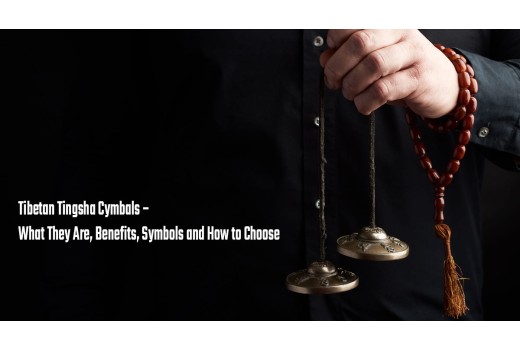
Explore Tibetan incense and burners made in Kathmandu, alongside handmade singing bowls and tingsha cymbals for opening and closing. Or commission a custom singing bowl engraved for your own practice space.
Why the Two Belong Together
A singing bowl works on hearing and on touch. Incense works on a sense that reaches the emotional brain by a road the others do not travel.
Used together they are not simply two nice things in one room. They are three separate sensory systems — hearing, touch, smell — arriving at the same destination from different directions, which is why a room prepared this way feels different from a room with only sound in it.
The Himalayan tradition arrived at this arrangement centuries before anyone could explain the olfactory pathway. That the explanation turned out to support the practice is a decent argument for taking old practices seriously, even when the reasoning offered for them is not the reasoning that turns out to be true.
Frequently Asked Questions
Why is incense burned during singing bowl healing?
For two reasons. Traditionally it comes from the Himalayan sang offering, a juniper smoke ritual used to purify a space before practice. Practically, smell is the only sense that reaches the emotional brain without routing through the thalamus first, which makes it unusually direct at shifting mood and unusually effective at becoming a learned cue for a settled state.
What is Tibetan incense made of?
Ground herbs, woods and resins rolled into a solid stick with no bamboo core, no glue, no dye and no synthetic perfume. Blends commonly contain thirty to forty ingredients and some monastery formulations approach a hundred — typically red and white sandalwood, juniper, agarwood, cedar, frankincense, myrrh, cinnamon, cardamom, clove and high-altitude botanicals such as saffron and snow lotus. Recipes come from Tibetan medicine rather than perfumery.
What is the difference between Tibetan and Indian incense?
Tibetan incense is solid rolled herb with no core and an earthy, resinous scent. Indian agarbatti is a paste applied to a bamboo stick, usually sweeter and more floral, often using fragrance oils. Tibetan blends contain more ingredients and burn without the bamboo note. For sound work the earthy profile tends to sit underneath the practice rather than competing with it.
When should incense be lit during a session?
Five to ten minutes before you begin, so the room carries scent rather than having a stick actively smoking beside you. Place it away from where people are lying, and let it burn out or extinguish it before the closing silence. Lighting it first also matters for anchoring — the scent cues the state, then the sound lands into a body already settling.
Can incense help me relax faster over time?
Yes, through conditioning. Because smell projects directly to the amygdala and hippocampus, scent forms associations quickly and holds them. Burning the same blend every time you practise binds that scent to the state you are in, and after a few weeks the smell alone begins cueing it. This works best if the blend is used only for practice and not around the house.
Is burning incense safe during a sound healing session?
For most people in a ventilated room, yes. Incense does produce particulate smoke, so open a window, keep it away from where people lie, and use one stick rather than several. Anyone with asthma, COPD or respiratory sensitivity should sit further away or skip it entirely. In group sessions, ask before lighting — a session works perfectly well without incense.