





Prayer Wheel Direction – Should You Spin Clockwise or Anticlockwise?
When someone begins using a prayer wheel, one of the first questions that comes to mind is simple:
Which direction should I spin it—clockwise or anticlockwise?
It may seem like a small detail, but in Tibetan practice, direction carries deep meaning. A prayer wheel is not just something you spin—it is a moving form of prayer. And like any meaningful practice, the way you do it matters.
Why Direction Matters in a Prayer Wheel

Inside every Tibetan prayer wheel, there are sacred mantras written thousands of times. Each spin is believed to activate those mantras and send their energy outward.
Because of this, the direction of spinning is not random—it reflects how your intention flows.
Think of it like moving with a current. When you follow the right direction, everything feels natural. When you go against it, the flow becomes disrupted.
The Traditional Direction: Clockwise
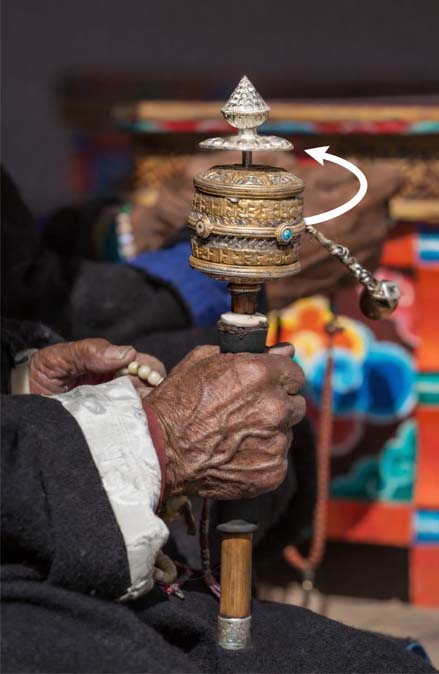
In Buddhist tradition, a prayer wheel should always be spun clockwise.
This follows the same direction as:
- The movement of the sun across the sky
- The reading of sacred texts
- The natural flow of spiritual energy
Clockwise movement is considered the direction of harmony, balance, and alignment.
When you spin a prayer wheel clockwise, it is believed that:
- The mantra energy flows correctly
- Your intention aligns with tradition
- The spiritual benefits are fully expressed
What Happens If You Spin Anticlockwise?
Spinning a prayer wheel anticlockwise is generally avoided in traditional practice.
This is not because something negative will happen, but because it goes against the natural and symbolic flow of the mantra.
It may:
- Disrupt the intended direction of prayer
- Reduce the symbolic meaning of the practice
- Move against traditional alignment
For beginners, this is completely normal. What matters is awareness. Once you understand the correct direction, it becomes natural over time.
The Deeper Meaning of Clockwise Movement
Clockwise spinning is more than just a rule—it carries deeper meaning.
It represents:
- Moving forward with intention
- Aligning with universal energy
- Expanding compassion and awareness
Each spin becomes a reminder that you are moving in harmony with a larger flow.
How to Spin a Prayer Wheel Correctly
Using a prayer wheel is simple, but it should be done with awareness.
- Hold the prayer wheel in your right hand
- Spin it gently in a clockwise direction
- Keep the motion smooth and natural
- Focus on your breath or intention
You can use a handheld prayer wheel for daily practice, place a table top prayer wheel on your altar, or install a wall hanging prayer wheel in your home.
A slow, mindful rotation is far more powerful than fast, unconscious spinning.
Does Intention Matter More Than Direction?
Yes—and this is important.
While clockwise is the correct direction, intention is what gives the practice meaning.
You can spin the wheel perfectly but remain distracted. Or you can spin it slowly, with awareness, and feel a deeper connection.
Direction guides the practice. Intention completes it.
Bringing It Into Daily Life
Whether you are using a handheld prayer wheel, placing a table top prayer wheel on your altar, or installing a wall hanging prayer wheel in your home, the direction remains the same.
You can use it:
- In the morning to start your day with clarity
- During meditation to stay focused
- In the evening to release stress
Even a few mindful spins can help reset your mind and bring a sense of balance.
Explore Tibetan Prayer Wheels for Your Practice
Start your practice with an authentic prayer wheel
Explore our collection of Tibetan prayer wheels, including handcrafted handheld, table top, and wall hanging prayer wheels made in Nepal.
A Quiet Practice of Awareness
Using a prayer wheel is not just about movement—it is about awareness.
The direction, the motion, and the intention all come together in a simple act.
When you spin the wheel gently and mindfully, something begins to shift—not outside, but within.
Turn the wheel in the right direction, and let your mind follow the same path.
This is where the real practice begins.
Not in speed.
Not in perfection.
But in presence.
Frequently Asked Questions
Should a prayer wheel be spun clockwise or anticlockwise?
A prayer wheel should be spun clockwise according to Tibetan tradition, as it follows the natural flow of mantra energy.
What happens if I spin a prayer wheel anticlockwise?
Nothing harmful happens, but it goes against traditional practice and may reduce the symbolic meaning.
Why is clockwise direction important?
Clockwise aligns with the movement of sacred texts, the sun, and traditional spiritual flow.
Can beginners use a prayer wheel?
Yes, prayer wheels are simple to use and perfect for beginners starting meditation or mindfulness practice.
Does intention matter when using a prayer wheel?
Yes, intention is the most important part. Direction guides the practice, but intention gives it meaning.
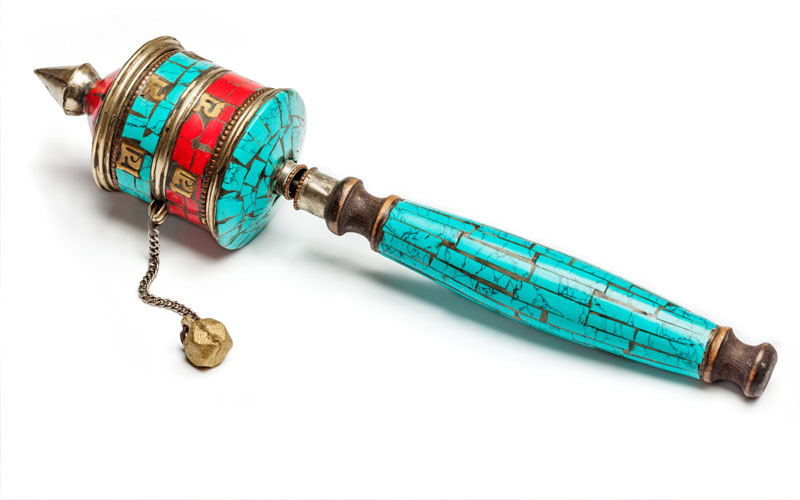
Authentic Tibetan Prayer Wheels – Handmade in Nepal
Experience the power of traditional prayer with handcrafted Tibetan prayer wheels made by skilled artisans in Nepal. Each wheel carries sacred mantras designed to support meditation, mindfulness, and spiritual balance.
Choose from handheld prayer wheels, table top prayer wheels, and wall hanging prayer wheels—perfect for personal practice, home altars, or meaningful spiritual gifts.
Shop Tibetan Prayer Wheels