




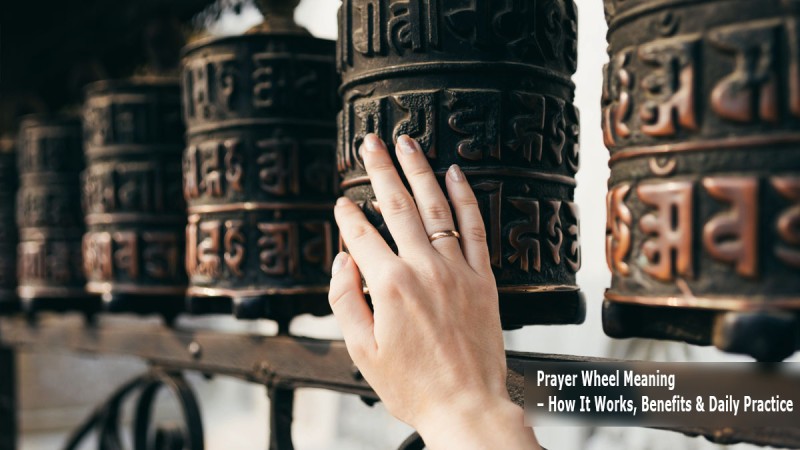
Prayer Wheel Meaning – How It Works, Benefits & Daily Practice
Prayer wheels are one of the most meaningful spiritual tools found in Tibetan tradition. At first glance, they may look simple—a small spinning cylinder—but their purpose goes far beyond that.
Each turn of a prayer wheel is believed to release positive energy, compassion, and intention into the world. Today, many people use a Tibetan prayer wheel not only for spiritual practice but also for meditation, relaxation, and daily mindfulness.
What Is a Prayer Wheel?
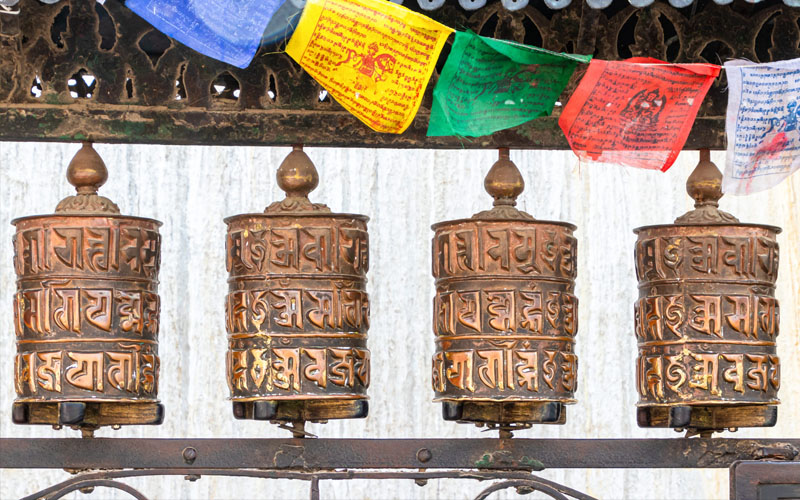
A prayer wheel is a cylindrical device used in Buddhist practice that contains sacred mantras inside. It comes in different forms such as handheld prayer wheels, table top prayer wheels, and wall hanging prayer wheels used in homes, temples, and meditation spaces.
Instead of chanting prayers out loud, spinning a Buddhist prayer wheel is believed to carry the same spiritual effect. This makes it a simple and accessible practice for beginners and experienced practitioners alike.
What Mantra Is Inside the Prayer Wheel?
/8-inch-tabletop-tibetan-prayer-wheel-3-line-om-mani-mantra_5-1100x744w.jpg.webp "Tibetan mantra roll inside 8 inch table top prayer wheel")
Inside every traditional prayer wheel, there is a tightly rolled paper scroll known as a mantra roll. This roll contains sacred mantras written or printed thousands of times.
The most common mantra inside a Tibetan prayer wheel is:
Om Mani Padme Hum
This mantra is connected to compassion and is associated with Avalokiteshvara, the embodiment of universal kindness.
Instead of writing the mantra once, it is repeated over and over again on a long strip of paper. This strip is carefully rolled and placed inside the wheel, sometimes containing thousands or even millions of repetitions.
Why Is There a Mantra Roll?
The mantra roll exists to multiply the spiritual power of the prayer wheel.
When you spin a prayer wheel, it is believed that every mantra inside is activated at once. This means one spin of a spinning prayer wheel can equal thousands of chants.
It also makes the practice more accessible. Even if someone cannot chant continuously, they can still experience the benefits of the mantra through movement.
Is Spinning a Prayer Wheel Like Chanting a Mantra?
Yes, in traditional belief, spinning a prayer wheel is equal to reading or chanting the mantra inside it.
Each rotation activates all the mantras within the wheel and spreads positive energy into the surroundings. You can think of it as a moving form of prayer.
Instead of speaking the mantra, you are turning it. The wheel carries your intention outward, making it a powerful form of meditation.
The Meaning Behind the Prayer Wheel
The deeper meaning of a prayer wheel is rooted in compassion, energy, and connection.
It represents the continuous flow of life, the spreading of kindness, and the connection between mind, body, and spirit. Every spin is a reminder to stay present and mindful.
How to Use a Prayer Wheel in Daily Practice

Using a prayer wheel is simple and can easily become part of your daily routine.
- Hold the prayer wheel in your right hand
- Spin it gently in a clockwise direction
- Focus on your breath or intention
You can use a handheld prayer wheel during meditation, place a table top prayer wheel on your altar, or install a wall hanging prayer wheel in your home.
Even a few minutes of daily practice can bring calmness and clarity.
Benefits of Using a Prayer Wheel
- Calms the mind and reduces stress
- Improves focus and awareness
- Supports meditation practice
- Creates a daily spiritual habit
- Spreads positive energy
Whether used for meditation or daily mindfulness, a prayer wheel helps bring balance into everyday life.
Explore Tibetan Prayer Wheels for Your Practice
Looking to start your journey with a prayer wheel?
Explore our collection of authentic Tibetan prayer wheels, handcrafted in Nepal for meditation, home altars, and spiritual practice.
A Simple Practice with Deep Meaning
In many monasteries, monks often remind practitioners that the power of a prayer wheel does not come from the object itself, but from the intention behind it.
“When you turn the prayer wheel with awareness, it is not just the wheel that is moving—the mind is also turning toward compassion.”
Whether you use a Tibetan prayer wheel, a table top prayer wheel, or a wall hanging prayer wheel, the practice remains simple.
Just a quiet moment, a steady hand, and a clear intention.
Sometimes, the smallest action—like turning a prayer wheel—can bring the deepest sense of peace.
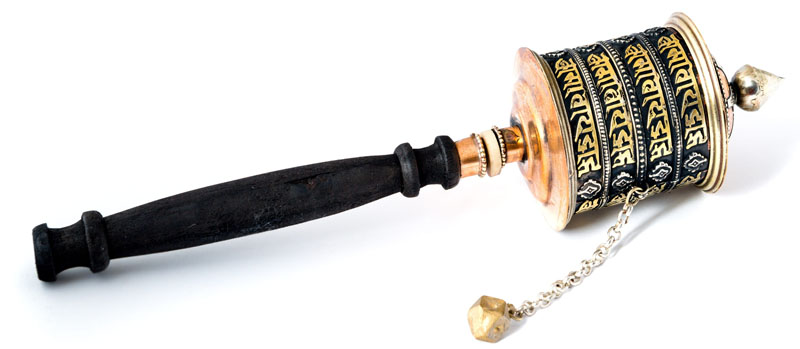
Handmade Tibetan Prayer Wheels from Nepal
Bring authentic spiritual energy into your daily practice with handcrafted Tibetan prayer wheels made by skilled artisans in Nepal. Each piece carries traditional mantras and is designed for meditation, mindfulness, and home altar use.
Choose from handheld prayer wheels, table top designs, and wall hanging prayer wheels—each created with intention, precision, and spiritual significance.
Explore Prayer WheelsFrequently Asked Questions
What is inside a prayer wheel?
A prayer wheel contains a mantra roll filled with sacred mantras, most commonly Om Mani Padme Hum, repeated thousands of times.
Is spinning a prayer wheel the same as chanting?
Yes, traditional belief says spinning a prayer wheel is equal to chanting the mantra inside it.
How do you use a prayer wheel correctly?
Hold it in your right hand and spin it clockwise while focusing on your intention or breath.
Can beginners use a prayer wheel?
Yes, prayer wheels are simple to use and perfect for beginners starting meditation or mindfulness practice.
Where should I place a prayer wheel at home?
You can place it on an altar, meditation space, or use wall hanging prayer wheels for spiritual decoration.