




Understanding the Root Chakra and C Note Singing Bowls
Singing bowls have been used for centuries in meditation, spiritual traditions, and sound-based relaxation practices. In modern sound healing, they are often connected to the chakra system, with certain musical notes symbolically linked to specific energy centers. One of the most commonly discussed connections is between the Root Chakra, known in Sanskrit as Muladhara, and the musical note C.
Because of this association, many practitioners look for C note singing bowls when building a grounding meditation practice. These bowls are known for their deeper, steady tones, which many people feel support relaxation, stability, and a stronger sense of connection with the body.
You may have seen singing bowls described as Root Chakra bowls or bowls tuned to the note C. These are often recommended for grounding meditation, yoga sessions, and sound bath practices. To understand why, it helps to explore the meaning of the Root Chakra, the role of sound in meditation, and how C note singing bowls are used in modern mindfulness practices.
The Root Chakra (Muladhara)
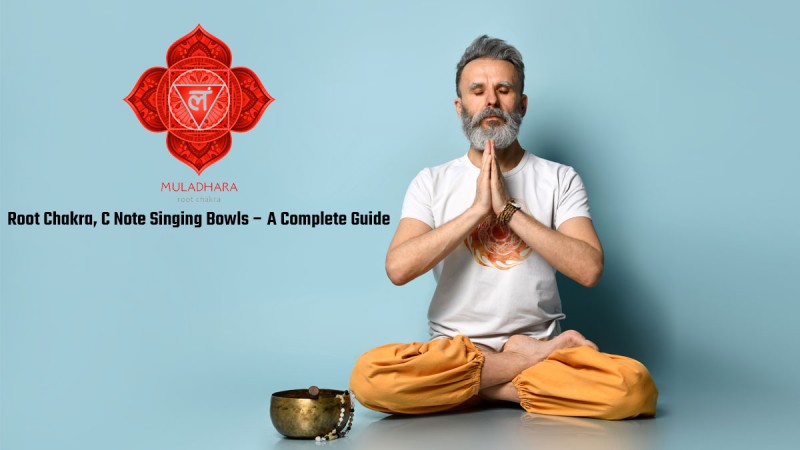
The Root Chakra, known in Sanskrit as Muladhara, is considered the first chakra in traditional yogic philosophy. It is symbolically located at the base of the spine and represents the energetic foundation of the body.
The Sanskrit name Muladhara comes from two roots: Mula, meaning root or foundation, and Adhara, meaning base or support. Together, the name reflects the idea of a grounding center that supports the rest of the chakra system.
The Root Chakra is commonly associated with:
- Grounding and stability
- Physical safety and security
- Survival instincts and basic needs
- Connection to the body and the earth
- A sense of belonging and support
In chakra symbolism, Muladhara is linked with the earth element, the color red, and a four-petaled lotus. When people describe the Root Chakra as balanced, they usually refer to a feeling of steadiness, confidence, and connection with the physical world.
Why the Root Chakra Is Associated With the C Note
In modern sound healing practices, chakras are sometimes connected to musical notes. Within this framework, the Root Chakra (Muladhara) is associated with the note C.
This mapping follows the ascending musical scale, where each chakra corresponds to a note that gradually rises in pitch. Because C represents the foundation of the scale, it symbolically aligns with the Root Chakra’s role as the energetic foundation of the body.
It is important to understand that ancient yogic texts did not assign Western musical notes to chakras. Traditional teachings instead used sacred sounds known as bija mantras. For the Root Chakra, the primary mantra is LAM.
The chakra-to-note system developed much later when meditation traditions began blending with Western musical theory and modern sound healing practices.
Explore Handmade Tibetan Singing Bowls
If you are looking for singing bowls for meditation, sound healing, relaxation, or chakra practice, explore our collection of handmade Tibetan singing bowls. Each bowl is selected for its sound quality, resonance, and traditional craftsmanship.
What Frequency Is a C Note Singing Bowl?
In modern musical tuning systems, the note C appears in several octaves depending on pitch.
- C3 – approximately 130 Hz
- C4 (Middle C) – approximately 261.63 Hz
- C5 – approximately 523 Hz
Some sound healing practitioners also reference a tuning system where A = 432 Hz, placing middle C closer to 256 Hz.
However, traditional hand-hammered Tibetan singing bowls are rarely tuned to exact electronic frequencies. These bowls are traditionally crafted by artisans and tuned by ear, creating unique harmonic overtones that give each bowl its distinctive sound.
How Singing Bowls Support Root Chakra Meditation
Meditation practices often use sound to help calm the mind and focus attention. When a singing bowl is struck or played around the rim, it produces a sustained tone that can encourage relaxation and mindful breathing.
Singing bowl meditation may help:
- Promote relaxation
- Reduce mental distractions
- Improve focus during meditation
- Create a calm environment
- Support emotional balance
Lower-pitched bowls often feel more grounding because their vibrations can be felt physically in the body. This sensation can reinforce the stability associated with Root Chakra meditation.
How to Use a C Note Singing Bowl for Root Chakra Meditation
Begin by sitting comfortably with your feet touching the ground. Place the singing bowl in your lap or on the floor in front of you.
Gently strike the bowl or slowly circle the rim with a striker to create a sustained tone. Focus on the vibration of the sound while breathing slowly and steadily.
Some practitioners visualize a soft red light at the base of the spine, representing the Root Chakra and grounding energy.
The purpose of the practice is to allow the sound and vibration to guide your awareness into a calm and stable state.
Create Your Own Singing Bowl
You can also design a bowl tailored to your meditation practice by choosing the size, finish, and chakra focus that best suits your needs.
Choosing a C Note Singing Bowl
If you are selecting a singing bowl for Root Chakra meditation, many practitioners recommend bowls that resonate close to the note C. Because C represents the foundational tone of the musical scale, it symbolically aligns with grounding and stability practices.
When choosing a bowl, focus on qualities that influence the meditation experience:
- Resonance and richness of sound
- Length of sustain
- Strength of vibration
- Bowl size and depth of tone
Authentic hand-hammered bowls from Nepal are valued for their layered overtones and natural resonance. For many people, the best bowl is simply the one whose sound feels calming and grounding.
Why Choose a C Note Singing Bowl for Root Chakra Meditation
Many meditation practitioners prefer bowls tuned close to the note C when working with Root Chakra meditation because the note represents the foundation of the musical scale.
This symbolic relationship reflects the Root Chakra’s role as the energetic base of the body. Deeper tones produced by C note bowls can create a steady atmosphere for meditation, breathwork, and relaxation.
When selecting a bowl, the most important factors are the quality of sound, the resonance of the vibration, and how the bowl feels during meditation. A well-crafted C note singing bowl can become a meaningful part of a grounding and mindfulness practice.