




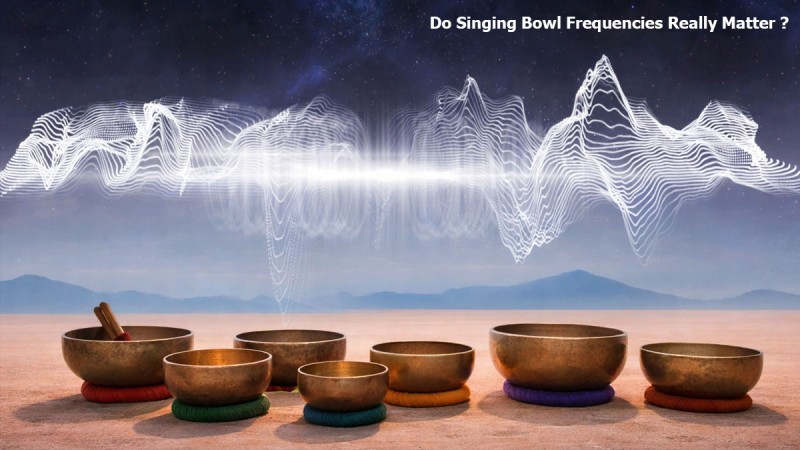
Do Singing Bowl Frequencies Really Matter?
If you’ve been exploring singing bowls, you’ve probably seen a lot of focus on numbers like 432 Hz, 440 Hz, or specific chakra frequencies.
It can make you feel like choosing the “right frequency” is the most important decision.
But here’s the truth — it’s not that simple.
The Short Answer: Yes… But Not the Way You Think
Frequencies do matter, but not as much as people believe.
What actually creates a powerful experience is not just the number, but how the bowl vibrates, how long the sound sustains, and how it feels in your body.
A well-made singing bowl with deep resonance will always feel more effective than a poorly made bowl labeled with the “perfect” frequency.
What Sunita Says (Real Experience from a Healer)
Sunita, who selects singing bowls for Dharma Tool, explains it simply:
“People often ask for 432 Hz. But when I play different bowls for them, they don’t choose the number — they choose the feeling. The bowl that resonates with their body is always the one they connect with.”
Why People Get Confused About Frequency
Most of the confusion comes from how singing bowls are described online.
- One frequency is “correct”
- One frequency is “more powerful”
- Everything depends on hitting a specific Hz
But singing bowls don’t work like digital tones. They are complex sound instruments.
Singing Bowls Produce Multiple Frequencies
A handmade Tibetan singing bowl does not produce a single tone.
Instead, it creates a combination of:
- A base tone (fundamental frequency)
- Multiple overtones (harmonics)
This layered sound creates the deep vibration you feel during meditation.
That’s why two bowls with similar frequency labels can feel completely different.
Which Frequency Singing Bowl Is Best?
This is the question most people are really asking.
The honest answer is — there is no single “best” frequency for everyone.
However, based on sound healing practice and user experience, here is a simple guide:
- Lower frequencies (100–300 Hz): Deep, grounding, ideal for relaxation and stress relief
- Mid frequencies (300–600 Hz): Balanced sound, suitable for meditation and daily use
- Higher frequencies (600 Hz and above): Lighter, more energizing, often used for focus and mental clarity
432 Hz sits in a range that many people feel is naturally calming, which is why it is widely preferred.
But the best bowl is always the one that feels right when you hear and feel it.
What Actually Matters More Than Frequency
If you want a singing bowl that truly works, focus on:
- Depth of vibration
- Sound sustain
- Tone clarity
- Body resonance
These factors have a much greater impact than the exact frequency number.
Frequency Still Has a Role
Frequency helps shape the character of the sound.
Lower tones calm the body. Higher tones stimulate the mind.
But healing comes from the full vibration — not a single number.
Choose a Bowl That Feels Right

Explore our collection of singing bowls selected for deep resonance and balanced vibration.
Want something more personal? Request a custom singing bowl selected for your needs.
Sound Is About Experience, Not Numbers
Frequencies matter, but they are only part of the story.
The real power of a singing bowl comes from how it resonates with your body and mind.
The best bowl is not defined by a number — it’s defined by how it makes you feel.
Frequently Asked Questions
Which frequency singing bowl is best?
There is no single best frequency. Lower tones are grounding, higher tones are energizing. The best bowl is the one that feels right to you.
Are 432 Hz singing bowls better than others?
Many people find 432 Hz more calming, but overall sound quality and vibration matter more than the number.
Do singing bowl frequencies affect healing?
Frequencies influence the sound, but healing comes mainly from vibration, resonance, and how your body responds.
Can two bowls with the same frequency sound different?
Yes. Handmade bowls produce complex overtones, so each one feels unique.
Should beginners focus on frequency?
Beginners should focus more on sound and feeling rather than exact frequency numbers.