




Understanding Brainwave Entrainment
Brainwave entrainment refers to a natural process in which the brain’s electrical activity begins to synchronize with rhythmic external stimuli such as sound, light, or vibration. The human brain constantly produces electrical signals that can be measured as brainwaves. These waves change depending on our mental state — whether we are alert, relaxed, meditating, or sleeping.
When the brain is exposed to consistent rhythmic sounds, it may begin to adjust its own electrical patterns to follow the rhythm of the stimulus. Scientists often describe this phenomenon as the frequency-following response. Because of this effect, rhythmic sounds have been used in meditation practices and sound therapy to encourage relaxation and mental calm.

How Sound Influences Brain Activity
The auditory system is closely connected with the brain’s neural networks. When we listen to repetitive tones or steady vibrations, the brain processes these signals and may gradually align its electrical rhythms with the incoming sound pattern.
Sound-based relaxation techniques such as chanting, rhythmic drumming, and tonal instruments have been used in many cultures for centuries. These sound environments create predictable acoustic patterns that may support the brain’s natural tendency to synchronize with external rhythms.
Modern research into sound therapy suggests that consistent tones and harmonic frequencies can create conditions that help the brain move toward slower, calmer brainwave states.
Brainwave States and Mental Experience
Brainwaves are typically divided into several frequency ranges, each associated with different states of consciousness.
Beta Waves (13–30 Hz)
These waves are dominant during active thinking, concentration, and problem-solving. High beta activity is often associated with stress or mental overload.
Alpha Waves (8–12 Hz)
Alpha waves appear during relaxed wakefulness. This state is often experienced during quiet reflection, light meditation, or calm focus.
Theta Waves (4–8 Hz)
Theta brainwaves are commonly associated with deeper meditation, creativity, and introspective states.
Delta Waves (0.5–4 Hz)
These slow waves are present during deep sleep and physical restoration.
Many relaxation practices aim to guide the brain away from high-frequency beta activity toward slower alpha or theta rhythms.
Singing Bowls as Tools for Brainwave Entrainment
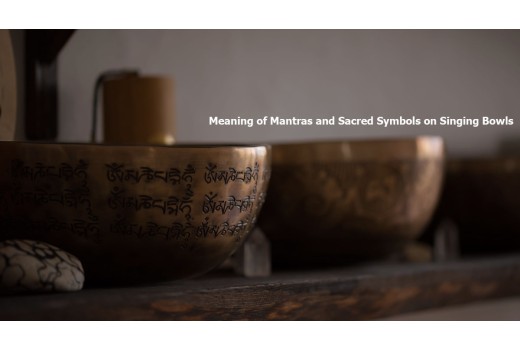
Singing bowls are traditional Himalayan sound instruments known for producing long-lasting tones and rich harmonic vibrations. When struck or played around the rim, a singing bowl creates a sustained sound wave that can continue for many seconds.
Unlike simple tones generated by electronic devices, singing bowls produce multiple overlapping frequencies at the same time. These frequencies combine to form a complex sound field filled with harmonic overtones.
This continuous and layered sound pattern may provide the rhythmic stimulus needed for brainwave entrainment. As listeners focus on the sound, the brain may gradually settle into slower rhythms associated with relaxation and meditation.
Why Sustained Sound Matters
One reason singing bowls are often used in meditation practices is the sustained nature of their sound. Instead of producing short or abrupt noises, a singing bowl creates a smooth tone that slowly fades over time.
This extended sound allows the brain to remain engaged with a steady acoustic signal. Repeated listening to these tones can create a predictable rhythm that supports the brain’s natural synchronization process.
For this reason, singing bowls are frequently used during sound meditation sessions, yoga classes, and wellness environments where deep relaxation is encouraged.
The Role of Harmonic Frequencies

Singing bowls produce what are known as harmonic overtones. When the bowl vibrates, it generates not just one tone but many related frequencies at the same time. These frequencies interact with each other, creating a rich and immersive sound experience.
This complex sound structure can help maintain the listener’s attention and deepen the meditative experience. Instead of focusing on a single note, the brain receives a spectrum of tones that evolve and shift subtly as the bowl vibrates.
These harmonic patterns may enhance the entrainment effect by providing multiple layers of rhythmic acoustic information.
Brainwave Entrainment in Meditation Practices
Meditation traditions around the world often incorporate sound to guide mental focus. Bells, chanting, gongs, and singing bowls are commonly used to create an environment that supports stillness and concentration.
In sound meditation sessions, participants typically sit quietly while a practitioner plays several singing bowls in a slow, rhythmic sequence. The goal is not to control the mind directly but to allow the sound environment to naturally encourage relaxation.
Many participants report experiencing a quiet mind, slower breathing, and a deeper sense of calm during these sessions.
Scientific Interest in Sound-Based Entrainment
Researchers studying sound therapy and meditation have begun exploring how auditory stimulation may influence brain activity. Some preliminary studies suggest that immersive sound environments can reduce tension, anxiety, and fatigue while promoting relaxation.
However, the specific mechanisms of brainwave entrainment through traditional instruments like singing bowls are still being studied. While many people report positive experiences, further research is needed to fully understand how sound frequencies interact with neural activity.
Using Singing Bowls for Brainwave Entrainment Practice
People interested in using singing bowls for relaxation or meditation can incorporate them into simple daily routines. A bowl may be gently struck or played along the rim while the listener focuses on the sound and allows the tone to fade naturally.
This practice encourages mindful listening and helps the mind settle into a calmer rhythm. Over time, repeated sessions may support deeper relaxation and improved meditation focus.
Singing bowls are often used during:
• Personal meditation practice
• Sound bath sessions
• Yoga and mindfulness classes
• Relaxation before sleep
• Stress reduction routines
Explore Authentic Tibetan Singing Bowls
Traditional Himalayan singing bowls are handcrafted using time-honored techniques passed down through generations of artisans. Each bowl produces its own unique tone and vibration, making every piece distinctive.
Note
The information in this article is provided for educational purposes only. Singing bowls are widely used in meditation and wellness practices, but they are not medical devices and should not be considered a treatment for medical or psychological conditions. Individuals experiencing health concerns should consult qualified healthcare professionals.
Frequently Asked Questions
What is brainwave entrainment?
Brainwave entrainment is a phenomenon in which the brain’s electrical activity synchronizes with rhythmic external stimuli such as sound, vibration, or light.
Can singing bowls influence brainwaves?
The sustained tones and harmonic frequencies produced by singing bowls may encourage the brain to move toward slower rhythms associated with relaxation and meditation.
Why are singing bowls used in meditation?
Singing bowls produce long, resonant tones that create a calming sound environment, which may help the mind relax and maintain focus during meditation.
How long should a singing bowl meditation session last?
Sessions can last from a few minutes to an hour depending on the practice. Even short listening sessions may help support relaxation.
Is brainwave entrainment scientifically proven?
Research on brainwave entrainment and sound therapy is ongoing. Some studies suggest potential benefits, but more scientific evidence is needed to fully understand the mechanisms involved.