




The Anatomy of Singing Bowls: A Healer’s Guide to Shape, Sound, Mallets, Strikers, and Cushions
Singing bowls are often described as calming or healing instruments, but their effect is not mysterious. The sound you hear and the vibration you feel come from very real factors: shape, balance, and the tools used to play them. Over years of working with singing bowls in meditation and healing settings, one thing becomes clear — bowls that feel the most supportive are usually those with balanced anatomy and the right accessories to awaken them.
In this guide, we explore the anatomy of singing bowls from a healer’s perspective, focusing on how each part of the bowl and each playing tool influences sound, vibration, and feeling.
1. The Anatomy of a Singing Bowl
Rim (Lip): Where the Bowl Wakes Up
The rim is the most important sound-producing area of a singing bowl. When a mallet is moved around the rim, friction pulls the metal into vibration and sustained sound begins. A smooth, evenly forged rim allows the bowl to sing easily without breaking or wobbling.
- Thicker rims produce deeper, steadier tones
- Thinner rims respond quickly and sound brighter
- Uneven rims can cause unstable or broken sound
Wall (Body): Carrying the Vibration
The wall carries vibration from the rim into the body of the bowl. Taller and smoothly curved walls support longer sustain and richer layers of sound. Hand-hammered walls often create warmer, more organic tones than perfectly uniform surfaces.
Shoulder (Upper Curve): The Flow Point
The shoulder is the curved transition between the rim and the body of the bowl. This area controls how smoothly vibration flows downward. A well-shaped shoulder allows sound to move evenly, while a poorly shaped one can interrupt resonance.
Belly (Resonance Chamber): The Heart of the Bowl
The belly is the widest part of the bowl and acts as the main resonance chamber. It shapes the fundamental tone of the bowl. Bowls with wider bellies often feel deeper and more grounding, which is why they are commonly used in sound baths and body-based healing work.
Base (Foot / Bottom): Grounding the Sound
The base stabilizes the bowl and affects how vibration transfers into a cushion, the floor, or the body. A strong, well-balanced base allows vibration to travel inward instead of dispersing too quickly.
Interior Surface: Reflection and Harmonics
The interior surface reflects sound waves back into the bowl. Hammer marks inside the bowl create subtle variations that enrich overtones. Polished interiors usually sound clearer, while raw interiors tend to feel warmer and more earthy.
Exterior Surface: Projection and Meaning
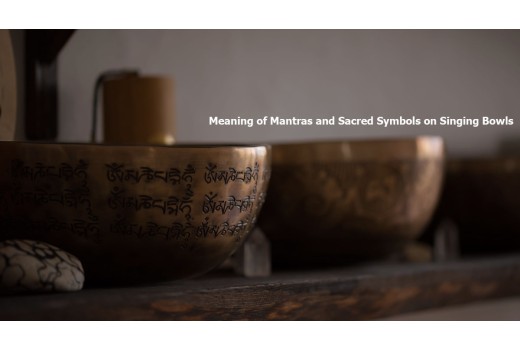
The exterior surface radiates sound outward into the surrounding space. Engravings, symbols, and mantras generally add spiritual and cultural meaning rather than strongly changing the sound itself.
2. Essential Accessories for Singing Bowls
Mallets
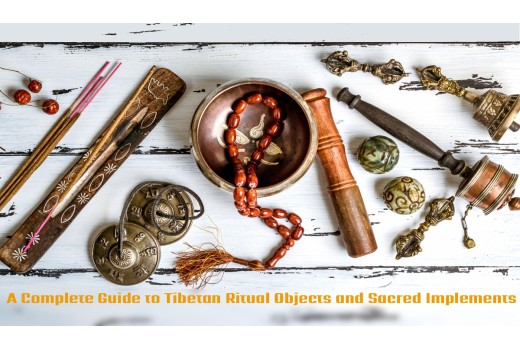
Mallets are used to strike the bowl or circle the rim to create continuous sound. The material and size of the mallet greatly affect how vibration begins.
- Wooden mallets produce a brighter, sharper attack
- Leather-wrapped mallets create smoother friction for sustained rim singing
- Using the correct mallet size helps activate the full voice of the bowl
Felt Strikers
Felt strikers are padded mallets designed for gentle striking. They produce soft, rounded tones and reduce harsh metallic impact. Soft felt is calming and nurturing, while firmer felt offers more presence without sharpness.
Cushions
Cushions support the bowl and allow it to vibrate freely. Ring cushions lift the bowl and enhance resonance, while soft cushions provide grounding and stability. Playing without a cushion often dampens sound and reduces clarity.
3. How Shape Changes Sound and Vibration
The shape of a singing bowl is its voice. Depth, rim thickness, wall height, belly width, and overall balance all determine how sound develops. Two bowls made from similar metal can sound completely different simply because their shapes are different.
- Deep bowls produce slower, more grounding vibration
- Shallow bowls respond quickly with brighter tones
- Balanced shapes support smooth, stable singing
Does the Shape of a Singing Bowl Matter?
Yes. The shape of a singing bowl matters deeply. Shape defines how vibration flows through the bowl, how long the sound lasts, and how it is felt in the body.
The bowl’s form creates its voice, and the mallet, striker, and cushion determine how that voice is awakened and guided. When all elements work together, the bowl sings naturally, clearly, and with depth.
In simple terms:
The shape of a singing bowl is its voice.
The tools are how that voice is gently awakened.
What Really Makes Singing Bowls Sound Different?
When two singing bowls sound different, it is almost never because of one single factor. A bowl’s voice is created by the combination of its materials, how it was forged, its shape, how it is played, and even the environment in that moment.
1) Metal Composition (Alloy Mix)
Metal composition sets the basic character of the sound. Different alloy balances can make a bowl sound brighter or darker, more complex or more focused. This is one reason similar-looking bowls can have very different voices.
2) Hammering During Forging
How a bowl is hammered during forging is one of the biggest influences on sound. Hammer strikes create tension, density, and subtle thickness variations across the bowl. These changes affect how vibration spreads and how overtones stack. This is why two bowls with similar size and shape can still feel completely different in tone and vibration.
3) Shape and Thickness
Shape matters, but it is only one part of the whole. Depth, belly width, wall curve, and rim thickness influence sustain, stability, and the way vibration travels through the bowl.
4) How the Bowl Is Played
Technique can change the sound dramatically. Pressure, speed, angle of the mallet, and where the bowl is struck or rubbed all influence the tone, volume, and smoothness of the singing. The same bowl can sound completely different in different hands.
5) Environment: Humidity, Temperature, and Room Acoustics
The environment also plays a role. Humidity and temperature can slightly change friction on the rim and how sound travels through the air. Room acoustics change what you hear, especially the depth and spread of overtones.
6) Etching and Engraving
Etching and engraving usually have a small effect compared to composition, hammering, shape, and technique, but they can change surface friction and slightly influence micro-vibration. If engraving is heavy near the rim, it may also affect how smoothly the rim sings.
In simple terms: the sound of a singing bowl comes from composition + forging (hammering) + shape + playing technique + environment working together.