




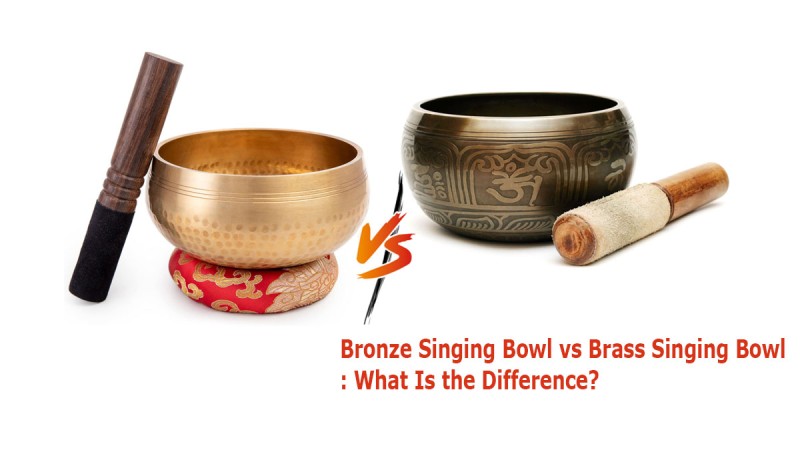
Bronze Singing Bowl vs Brass Singing Bowl
Many people searching for Tibetan singing bowls often wonder what metal they are made from. Two materials are commonly mentioned: bronze and brass. While both are copper-based alloys, they are very different in terms of sound quality, durability, and traditional use.
Authentic Himalayan singing bowls have historically been made from bronze alloys. However, many modern decorative bowls are made from brass because it is cheaper and easier to manufacture. Understanding the difference helps buyers choose a bowl that produces the deep resonance and rich vibration that singing bowls are known for.
What Is a Bronze Singing Bowl?
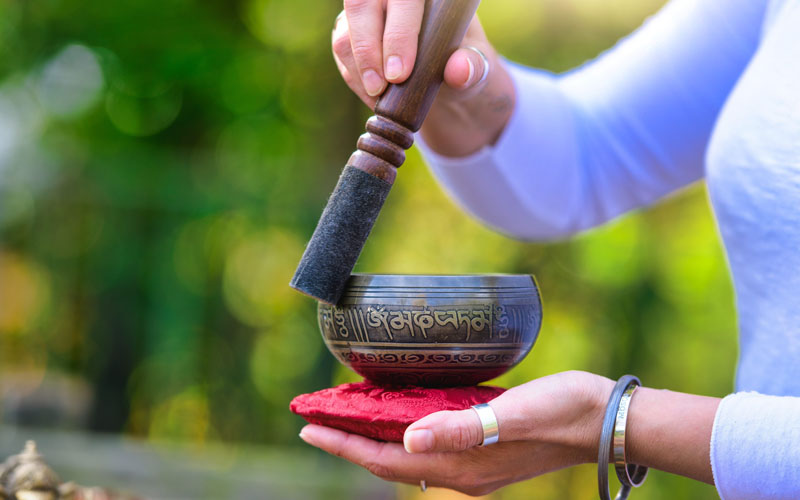
Traditional Himalayan singing bowls are primarily made from bronze. Bronze is an alloy made mainly from copper and tin. In the ancient Himalayan tradition, many bowls were also made using a combination of seven metals that symbolically represent celestial bodies.
These metals traditionally include gold, silver, copper, iron, tin, lead, and zinc. While modern bowls may not always contain all seven metals, the base composition remains a bronze alloy dominated by copper.
Bronze is ideal for singing bowls because it produces strong resonance, complex harmonic overtones, and long-lasting vibrations. These acoustic qualities make bronze bowls highly valued for meditation, yoga, and sound healing practices.
What Is a Brass Singing Bowl?
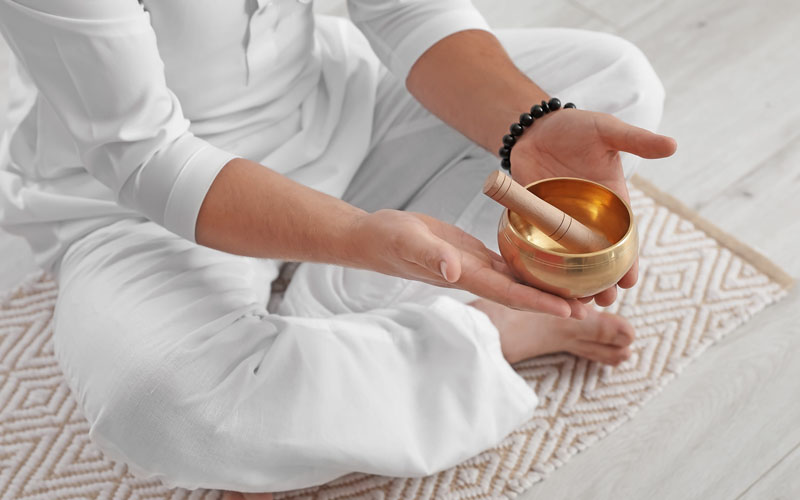
Brass is another copper-based alloy, but instead of tin it contains zinc. Brass is easier to cast and shape, which is why it is commonly used in decorative bowls and mass-produced souvenirs.
While brass bowls can still produce sound when struck or played around the rim, their tone is typically brighter and shorter. The vibration fades more quickly compared to bronze bowls, which means they produce fewer harmonic layers.
Because of this, brass bowls are often used for decorative purposes or light meditation rather than professional sound therapy.
Key Differences Between Bronze and Brass Singing Bowls
The main differences between bronze and brass singing bowls come down to sound quality, vibration, and manufacturing methods.
Bronze singing bowls are usually hand-hammered and produce deep, complex vibrations with long sustain. The tone spreads outward slowly and creates a powerful resonant field that many practitioners use for meditation and relaxation.
Brass singing bowls are often machine-made and tend to produce a sharper sound with shorter resonance. The vibration is less complex, which means the sound does not carry the same depth of harmonics.
In general, bronze bowls are preferred for sound healing, meditation, yoga studios, and therapeutic environments.
Sound and Vibration Differences
The most noticeable difference between bronze and brass bowls is the quality of vibration.
Bronze bowls generate layered harmonics and sustained resonance. When played properly, the sound can last for many seconds and gradually fade, creating a calming sonic atmosphere.
Brass bowls usually produce a brighter and more metallic tone. While the sound can still be pleasant, it tends to fade more quickly and does not produce the same complex harmonic structure.
This is why most professional sound therapists prefer bronze bowls for meditation and energy work.
Why Traditional Singing Bowls Are Made From Bronze
For centuries, Himalayan blacksmiths developed techniques for forging singing bowls from bronze alloys. The combination of copper and tin creates a metal that resonates extremely well when struck or played with a mallet.
Hand-hammered bronze bowls also develop unique acoustic characteristics during the forging process. Each hammer strike changes the structure of the metal, shaping the way vibrations travel through the bowl.
This is one reason why no two traditional singing bowls sound exactly the same.
How to Identify a Bronze Singing Bowl
It can sometimes be difficult to tell whether a singing bowl is made from bronze or brass, especially when shopping online. However, there are a few indicators.
Bronze bowls typically have a deeper tone and longer resonance when struck. They may also show visible hammer marks from traditional forging methods.
Brass bowls often have a brighter golden color and smoother surfaces because they are usually machine-cast rather than hand-hammered.
Which Singing Bowl Is Better?
Both types of bowls can be enjoyable to play, but they serve different purposes.
Bronze singing bowls are considered superior for meditation, sound therapy, and yoga practice because of their rich resonance and deep vibrational qualities.
Brass bowls are usually more affordable and are often chosen for decoration, gifts, or light personal use.
For people interested in authentic Himalayan sound traditions, bronze bowls remain the preferred choice.
Explore Authentic Himalayan Singing Bowls
If you are looking for traditional hand-hammered singing bowls crafted in Nepal, explore our collection of authentic Himalayan bowls. Each bowl is carefully made by skilled artisans and designed to produce deep, resonant tones ideal for meditation, relaxation, and sound healing.