




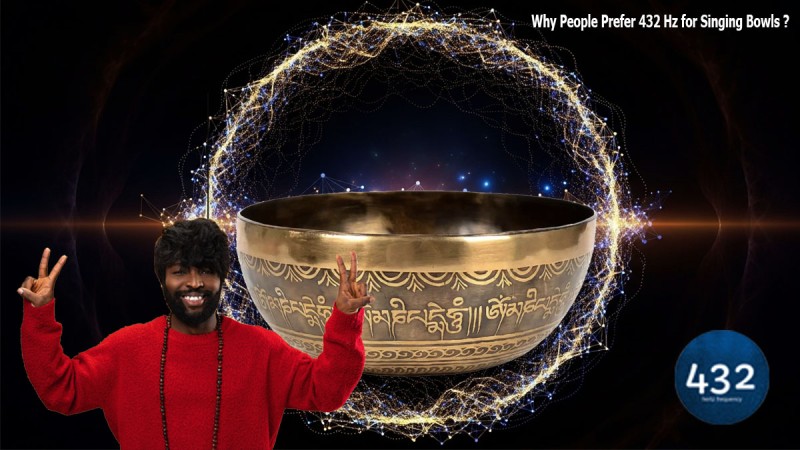
Why People Prefer 432 Hz for Singing Bowls
When people start exploring Tibetan singing bowls, one question comes up again and again — why is 432 Hz so popular?
You may have heard it called the “universal frequency,” or the most natural sound for healing. But the real answer is not just about the number. It’s about how the sound feels when it reaches your body.
It’s Not About Theory — It’s About Feeling
Most people don’t sit with a frequency meter when they play a singing bowl. They simply notice how it makes them feel.
Compared to standard tuning, bowls around 432 Hz often feel softer, deeper, and more calming. The sound doesn’t feel sharp or tense. Instead, it flows naturally with your breathing and helps the body settle.
This is why many people prefer it for meditation, relaxation, and sound healing sessions.
What Sunita Says (Real Healer Experience)
Sunita, a professional singing bowl healer who selects bowls for Dharma Tool , explains it in a very simple way:
“With some bowls, you just hear the sound. But with the right bowl, you feel it moving through your body. 432 Hz is often closer to that feeling — softer, deeper, and more natural.”
This is not about theory. It’s based on real experience working with people during healing sessions.
Is 432 Hz Really a Universal Frequency?
Scientifically, there is no single frequency that controls the universe. Everything around us vibrates at different frequencies — from sound to light to the human body.
So 432 Hz is not literally the “universal frequency.”
However, the idea comes from something deeper:
Everything in nature works through vibration.
Because 432 Hz feels balanced and harmonious, many people associate it with natural and universal energy.
Singing Bowls Are Not Just One Frequency
This is one of the most important things to understand.
A handmade Himalayan singing bowl does not produce a single tone. It creates layers of sound — a base frequency along with multiple overtones.
When a bowl is tuned around 432 Hz:
- The base tone feels more grounded
- The overtones feel smoother
- The overall vibration feels more immersive
This is why the experience feels deeper compared to sharper or higher-pitched tuning.
Why It Works So Well for Meditation
In real use, people notice that 432 Hz bowls help them slow down faster.
- Breathing becomes more steady
- The mind becomes quieter
- The body feels more relaxed
This is why many practitioners and healers prefer this range — not because of claims, but because of consistent results.
What Matters More Than 432 Hz
While 432 Hz is popular, it should not be the only thing you look at.
The real quality of a singing bowl comes from:
- Its vibration and resonance
- How long the sound sustains
- How it feels in your body
- The craftsmanship behind it
Two bowls labeled 432 Hz can feel completely different.
Find a Singing Bowl That Truly Resonates With You
Explore our collection of carefully selected singing bowls, chosen for their deep resonance and healing vibration.
Looking for something more personal? You can request a custom singing bowl tuned and selected based on your needs.
Sound Is Universal — Not the Number
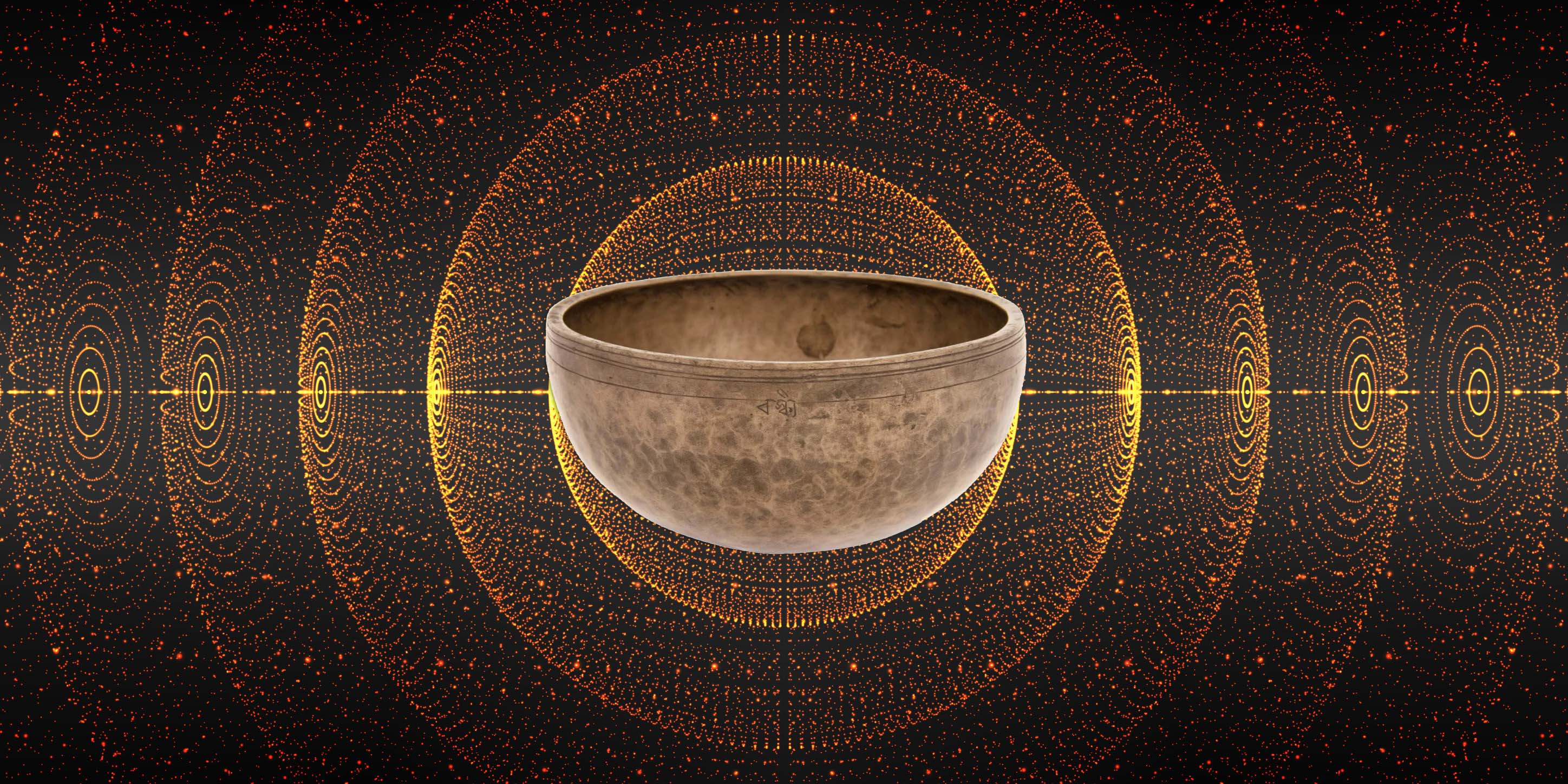
People prefer 432 Hz not because it is a magical universal frequency, but because it feels more natural and calming.
The right singing bowl is the one that:
- Slows your breath
- Calms your mind
- Creates a deep sense of balance
That is the real meaning behind “universal frequency.”
Frequently Asked Questions
Is 432 Hz scientifically proven to be better?
No, there is no strong scientific proof that 432 Hz is superior. However, many people find it more relaxing and natural in practice.
Are all singing bowls tuned to 432 Hz?
No. Handmade singing bowls vary in frequency and produce multiple tones. 432 Hz refers only to the base tuning range.
Can I feel the vibration of a singing bowl?
Yes. A good singing bowl creates vibrations that can be felt in the body, not just heard.
Is 432 Hz better for meditation?
Many users find it easier to relax and focus with 432 Hz, but the best choice depends on personal preference and the bowl’s quality.
Should I choose frequency or sound quality?
Sound quality and resonance are more important than frequency alone. Always choose a bowl that feels right to you.