



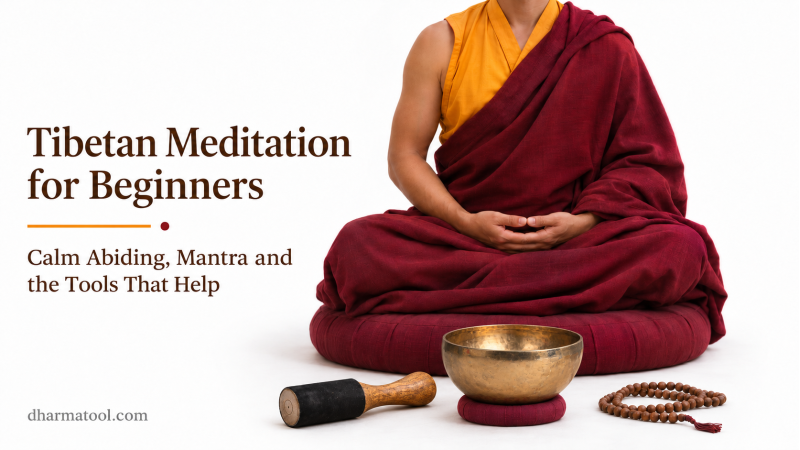
Tibetan Meditation for Beginners - Calm Abiding, Mantra and the Tools That Help
Tibetan meditation is the meditation of Tibetan Buddhism, and beginners usually start with two practices: calm abiding, resting the mind on the breath, and mantra, repeating a phrase such as Om Mani Padme Hum. Ten minutes a day, sitting upright with your eyes half open, is enough to begin. A singing bowl to open and close, and a mala or prayer wheel for mantra, help you keep the habit.
Deeper practices such as visualisation and tummo are passed on by a qualified teacher. Like any meditation, Tibetan meditation supports relaxation and focus, and does not treat any condition.
Key takeaways
- Calm abiding: rest your attention on the breath and come back each time it wanders.
- Mantra: repeat Om Mani Padme Hum, counting on a mala or turning a prayer wheel.
- Tonglen: breathe in another's difficulty and breathe out kindness.
- Tools help, but are not required: a bowl, a bell or a wheel gives each session a clear frame.
What is Tibetan meditation?
Tibetan meditation, or Tibetan Buddhist meditation, is the practice of Tibetan Buddhism, kept alive in the monasteries of Tibet, Nepal, Bhutan and northern India. It brings together calm, insight, compassion and mantra, and it often uses objects such as bells, prayer wheels, malas and singing bowls.
The Tibetan word for meditation is gom, which carries the sense of building up a beneficial habit (Study Buddhism). That is the heart of it for a beginner: a short practice, done every day, until it becomes familiar.
For the bigger picture of how bowls fit into Buddhist practice, see our guide to singing bowls and Buddhism.
The main Tibetan Buddhist meditation practices
| Practice | Tibetan name | What you do | For beginners? |
|---|---|---|---|
| Calm abiding | Shiné (Sanskrit shamatha) | Rest your attention on the breath and come back each time it wanders | Yes, the place to start |
| Mantra | Ngak | Repeat a mantra such as Om Mani Padme Hum, aloud or silently | Yes |
| Compassion | Tonglen | Breathe in another's difficulty, breathe out ease and kindness | Yes, in short sessions |
| Insight | Lhakthong (Sanskrit vipashyana) | Look gently at the nature of thoughts once the mind is calm | After calm abiding is steady |
| Visualisation | Deity practice | Imagine a Buddha form together with its mantra | With a teacher |
| Inner heat | Tummo | Breath and visualisation to build inner warmth | Only with a qualified teacher |
Tibetan meditation for beginners starts with the first three. Insight grows out of a calm mind, and visualisation and tummo belong with a teacher.
How to sit: the seven-point posture
Tibetan teachers describe a seven-point sitting posture, often called the posture of Vairochana. You do not need to be perfect; a chair with your feet flat on the floor works too.
- Legs: crossed, on a cushion, or seated on a chair with feet flat.
- Hands: resting in your lap, right hand on left, thumbs lightly touching.
- Back: straight but not stiff.
- Shoulders: relaxed and level.
- Chin: slightly tucked, so the neck is long.
- Eyes: half open, gazing softly down past the tip of the nose.
- Mouth: relaxed, with the tongue resting lightly on the upper palate.
Calm abiding (shamatha), step by step
- Open: strike your singing bowl once and follow the tone until it is gone. Our meditation bell guide compares the bowl, tingsha, Tibetan bell and Burma bell for this.
- Rest on the breath: feel the air at the nostrils or the rise of the belly, and count each out-breath up to ten, then start again.
- Come back: when you notice your mind has wandered, return to the breath without judging yourself. Coming back is the practice.
- Close: strike the bowl once more and sit still until the tone fades.
- Dedicate: end, as Tibetan practice does, with a short wish that your practice may benefit all beings.
A hand-hammered bowl of 5 to 7 inches from our meditation singing bowls suits a quiet room, and every bowl is played and selected by Sunita for each order before it leaves Kathmandu. Our guide to meditation with a singing bowl covers the bowl technique in more depth.

Mantra meditation: Om Mani Padme Hum
Mantra is the most loved Tibetan practice for beginners. The best known mantra is Om Mani Padme Hum, the mantra of Chenrezig, the Buddha of compassion, and our Om Mani Padme Hum guide explains its six syllables.
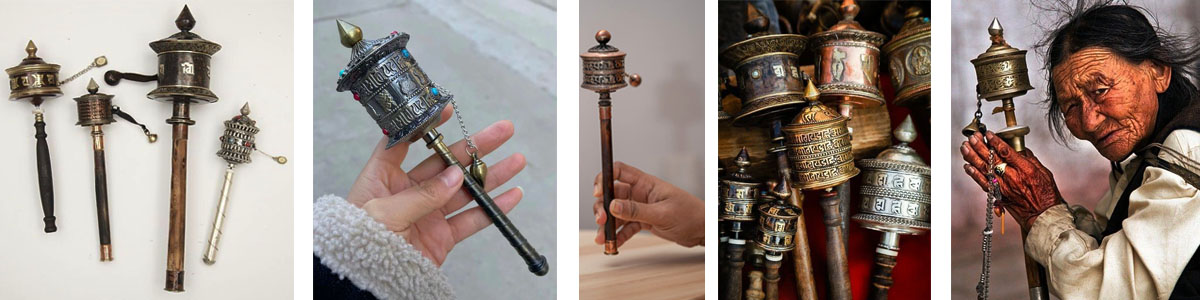
Recite it aloud, in a whisper or silently, and count one round of 108 on a mala. You can also turn a prayer wheel as you recite; our guide what is a mani wheel explains the wheel and its Tibetan name.
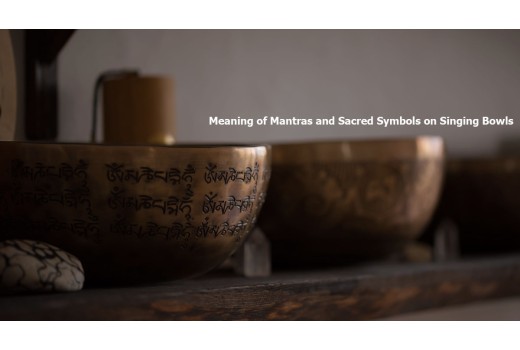
A hand-held mantra prayer wheel suits walking practice, and a 6 inch mantra-etched singing bowl gives your eyes the mantra to rest on as you recite. Our carved and etched singing bowls carry the mantra in Tibetan script.
Compassion practice: tonglen
Tonglen means sending and taking, and it comes from the Tibetan mind-training tradition called lojong (Wikipedia). As you breathe in, imagine taking in someone's difficulty; as you breathe out, send them ease and kindness.
Begin with yourself or someone close to you, for just a few breaths at the end of your calm abiding session. Over time you can widen it to people you do not know.
What about tummo meditation?
Tummo meditation, or inner heat, is an advanced practice from the Six Yogas of Naropa that combines breath, visualisation and meditation (Wikipedia). It is traditionally taught by a qualified teacher after a firm base of calm abiding.
For that reason this guide does not give its breathing steps. If tummo interests you, look for a teacher at an established Tibetan Buddhist centre.
The tools that help
| Tool | How it helps | Where to start |
|---|---|---|
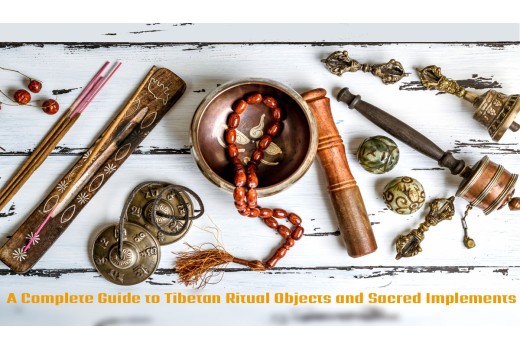
| Singing bowl | Opens and closes the session, and its tone is a first point of attention | Meditation singing bowls |
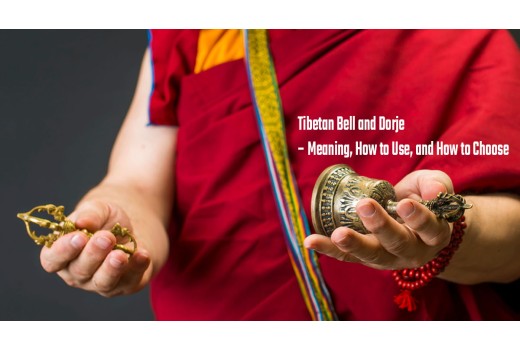
| Tibetan bell and dorje | Rung with prayers and mantra; the bell stands for wisdom, the dorje for compassionate action | Bell and dorje sets |
| Prayer wheel | Turned while you recite Om Mani Padme Hum | Tibetan prayer wheels |
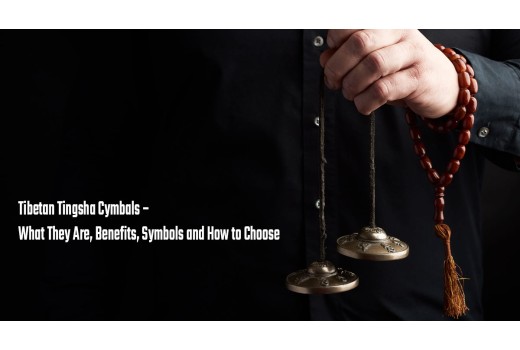
| Tingsha | A short, clear signal to begin and end a group sitting | Tibetan tingsha |
| Mala | Counts your mantra recitations, usually on 108 beads | A string of 108 beads |
None of these are required: a quiet seat and ten minutes are enough. But a sound to begin and end gives each session a clear frame, and a mala or wheel keeps your mantra steady.
Your first week of Tibetan meditation
| Days | Practice | Time |
|---|---|---|
| Days 1 and 2 | Calm abiding: count your breaths up to ten, then start again | 10 minutes |
| Days 3 and 4 | Calm abiding, then one round of Om Mani Padme Hum on a mala or prayer wheel | 15 minutes |
| Day 5 | Calm abiding, then a few breaths of tonglen | 15 minutes |
| Days 6 and 7 | Bowl to open, calm abiding, mantra, tonglen, bowl to close, then a dedication | 20 minutes |
For a full month, our free 30-day singing bowl routine calendar gives you one short practice for each day.
Make your practice your own
A custom singing bowl can carry your own mantra, a name or a date, engraved free of charge, so the bowl you meditate with is yours alone. Every order leaves Kathmandu within 3 to 4 business days by DHL Express.
Our free singing bowl healing course is designed from Sunita's own notebook. It is a good next step if you want to bring sound more fully into your daily practice.
Begin with one bowl
A meditation singing bowl from Nepal, played and selected for you before it leaves Kathmandu.
Frequently asked questions
What is Tibetan meditation?
Tibetan meditation is the meditation of Tibetan Buddhism. It combines calm abiding, insight, compassion practice and mantra, and often uses objects such as singing bowls, bells, prayer wheels and malas.
How do I start Tibetan meditation as a beginner?
Sit upright with your eyes half open, rest your attention on the breath for ten minutes, and come back each time your mind wanders. Add a round of Om Mani Padme Hum once that feels steady.
What is calm abiding?
Calm abiding, called shiné in Tibetan and shamatha in Sanskrit, is the practice of resting the mind on one object, usually the breath, until it settles. It is the base for every other Tibetan meditation.
What mantra is used in Tibetan meditation?
The best known is Om Mani Padme Hum, the mantra of Chenrezig, the Buddha of compassion. It is recited aloud or silently, often counted on a mala or turned in a prayer wheel.
What is tonglen?
Tonglen means sending and taking. You breathe in another person's difficulty and breathe out ease and kindness, as a practice of compassion.
Can I learn tummo on my own?
Tummo, the inner heat practice, is traditionally taught by a qualified teacher after a base of calm abiding. It is best learned in person at an established Tibetan Buddhist centre.
Do I need a singing bowl to meditate?
No. A quiet seat and ten minutes are enough, but a bowl to open and close gives each session a clear beginning and end.
Does Tibetan meditation have health benefits?
Meditation is a practice for the mind. Like any meditation, it supports relaxation and focus, and does not treat any condition.
Learn from Sunita's notebook, free
Bring sound into your daily practice with the free singing bowl healing course.