



What Is a Sound Bath? What Happens, How It Feels and How Long It Lasts
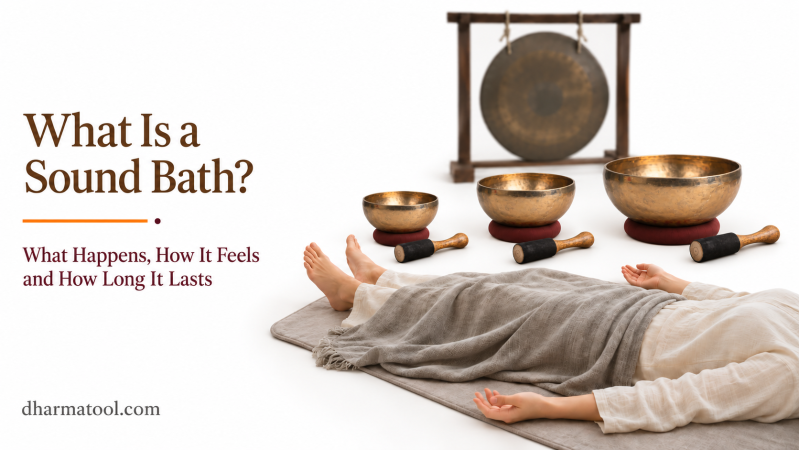
A sound bath is a session in which you lie down, close your eyes and rest while singing bowls, gongs and other instruments are played around you, so you are "bathed" in sound. You do nothing but breathe and let the tones rise and fade. Most sound baths last 45 to 60 minutes and are led by a practitioner, in a group or one to one.
Most people come away feeling calm, heavy and rested. Like any sound practice, a sound bath supports relaxation and focus, and does not treat any condition.
Key takeaways
- What it is: you lie down and rest while bowls, gongs and tingsha are played around you.
- What you do: nothing but breathe; there is no technique to learn and no experience needed.
- How long: most sound baths last 45 to 60 minutes, with time to settle before and come back after.
- How it feels: calm and heavy for most people, often drifting between awake and asleep.
What is a sound bath?
A sound bath is a guided rest in sound. You lie on a mat, a practitioner plays singing bowls, gongs, tingsha and chimes, and the sound surrounds you the way water surrounds you in a bath.
It is not a concert: there is no tune to follow, only long tones that layer, rise and fade. Group sound baths are usually small, hour-long sessions in a studio, with people lying down while the sound is played around them (The Conversation).
The instruments matter. Hand-hammered Himalayan singing bowls give the long, layered tones that most sound baths are built on, which is why our guide to booking a sound bath suggests asking about the instruments first.
Sound bath meditation: is a sound bath a meditation?
Yes, a sound bath is a form of meditation, and many studios call it a sound bath meditation. The difference is that the sound does the work: you do not need to focus, count or control your thoughts.
Each tone gives your attention something simple to rest on, and when the mind wanders, the next tone brings it back. That is why many people who find silent meditation hard find a sound bath easy.
What happens at a sound bath, step by step
- Settle in: take off your shoes, lie on a mat with a pillow and blanket, and rest for a few minutes.
- Breathe: the practitioner may guide a few slow breaths or invite you to set an intention.
- Opening: a ring of the tingsha or a single bowl marks the start.
- The sound: singing bowls, a gong and chimes are played around the room, starting softly, building into a full wash of sound, then softening again.
- Silence: the last tones fade into a few minutes of stillness.
- Coming back: a final ring calls you back. Move your fingers and toes, roll to one side, sit up slowly and drink some water.
Practitioners plan this arc carefully, and our sound bath setup guide shows how the bowls are laid out in the room.
How long does a sound bath last?
| Kind of sound bath | Usual length |
|---|---|
| Taster or workplace sound bath | 20 to 30 minutes |
| Group sound bath at a studio | 45 to 60 minutes |
| Long or full moon sound bath | 75 to 90 minutes |
| One-to-one sound bath session | 45 to 60 minutes |
| Short sound bath at home with one bowl | 10 to 20 minutes |
There is no ideal length, and shorter sessions can be just as restful as long ones (Cleveland Clinic). Allow an extra 10 to 15 minutes to arrive, settle and come back.
How does a sound bath feel?
| What you may notice | What it usually means |
|---|---|
| Heaviness, as if sinking into the mat | Your body is letting go of effort |
| Drifting between awake and asleep | A normal, restful state; falling asleep is fine |
| Tingling or a soft buzz | You are feeling the vibration, not only hearing the sound |
| Colours or images behind closed eyes | The mind is quiet enough to wander gently |
| Emotion rising, or a few tears | Rest can bring feelings to the surface; let them pass |
| Nothing special at all | Also normal, and still restful |
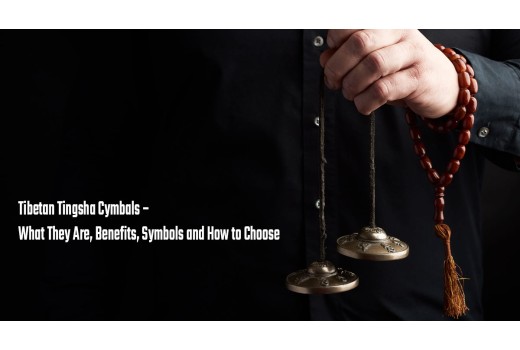
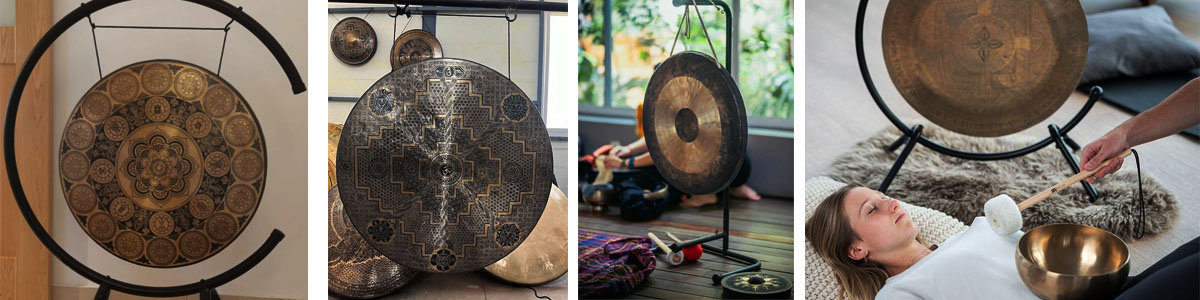
Singing bowls give long, warm, layered tones, a gong builds a deep wash of sound, and tingsha ring short and bright. Together they shape the whole sound bath experience.
What does a sound bath do?
A sound bath gives your body permission to stop. The long, steady tones give your attention something simple to rest on, so it is easier to let go than in silence. You will also see it called sound bath therapy or sound bath healing, but it is best understood as deep, guided rest.
Research is still young. In one study of 62 people, participants reported less tension, anger and fatigue after a session with singing bowls and gongs (The Conversation). A sound bath supports relaxation and focus, and does not treat any condition.
If you are pregnant, have epilepsy, a pacemaker or metal implants, read our sound healing contraindications guide and speak to your doctor first.
Kinds of sound bath
- Singing bowl sound bath: a set of Himalayan bowls played around the room, the most common kind.
- Gong bath: one or more gongs build a deep wash of sound; our gong bath at home guide shows how it works.
- Sound bath yoga: a short sound bath at the end of a yoga class, often during savasana; see singing bowls during savasana.
- Full moon sound bath: a longer evening session held on the full moon.
- One-to-one sound bath: a practitioner plays bowls close to you, so you feel the vibration as well as hear it.
- Online sound bath: recorded or live sound through headphones; restful, but without the vibration you feel in the room.
Sound bath bowls: which bowls are used?
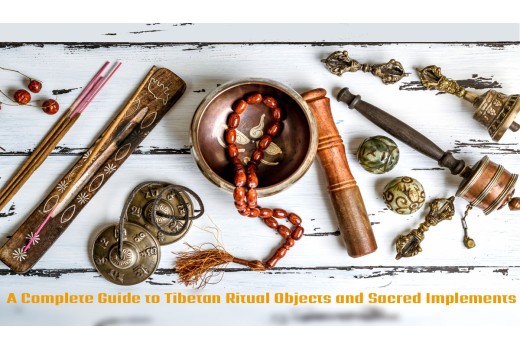
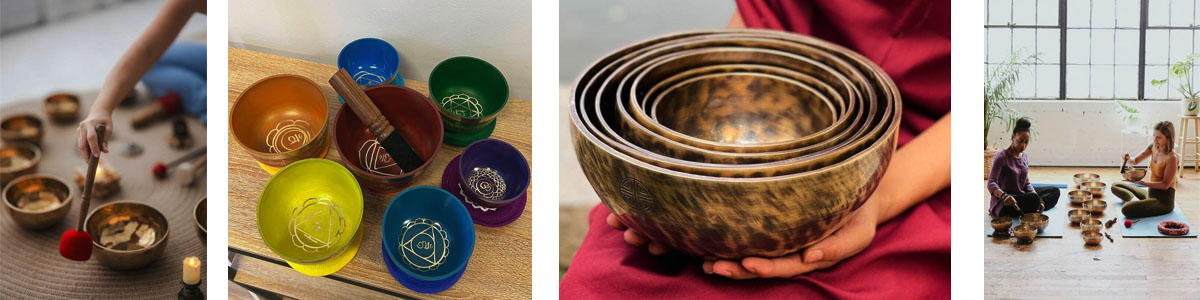
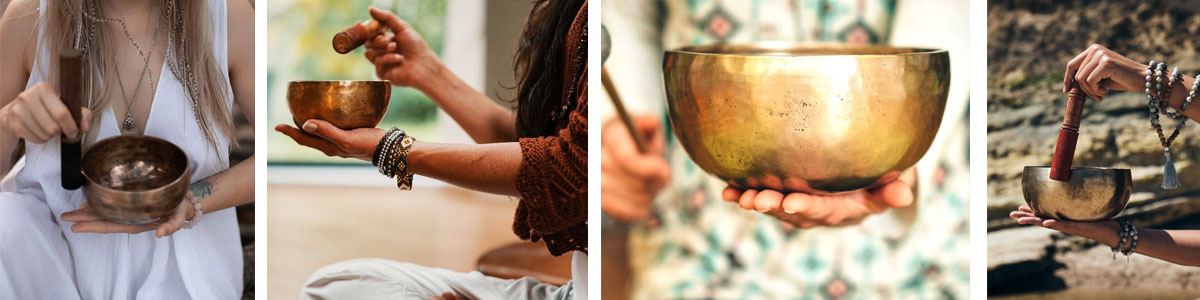
Most sound baths are built on a set of hand-hammered Himalayan singing bowls in a range of sizes, from small bright bowls to large deep ones, often with a gong and tingsha. Our chakra singing bowl sets are the sound bath bowls most practitioners start with, such as this 7 chakra set in an antique finish.
For a deeper base, many add one of our large standing singing bowls, and a Tibetan gong for the fullest wash of sound. Every bowl is played and selected by Sunita for each order before it leaves Kathmandu.
Not sure which bowls you need? Our set builder suggests a set for your room and practice, and a custom singing bowl can carry your name or a mantra, engraved free of charge.
Can you have a sound bath at home?
Yes. A simple home sound bath needs only one or two bowls: lie down while someone plays for you, or sit and play for 10 to 20 minutes yourself.
Start with one hand-hammered singing bowl, and follow our guide to starting singing bowl sound healing at home. Every order leaves Kathmandu within 3 to 4 business days by DHL Express.
Learn to lead a sound bath
Our free singing bowl healing course is designed from Sunita's own notebook. It shows how to open and close a session, how to place the bowls and how to move from soft to full sound and back to silence.
Bring the sound bath home
Hand-hammered singing bowl sets from Nepal, played and selected by a sound healer before they leave Kathmandu.
| If you want | Look at |
|---|---|
| A set for sound baths | Chakra singing bowl sets |
| A ready seven-bowl set | 7 chakra singing bowl set, antique finish |
| A deep, large bowl | Large standing singing bowls |
| One hand-hammered bowl to start | Hand-hammered singing bowls |
| A gong for a gong bath | Tibetan gongs |
| A clear opening and closing sound | Tibetan tingsha |
| A set chosen for your practice | Singing bowl set builder |
Frequently asked questions
What is a sound bath?
A sound bath is a session in which you lie down and rest while a practitioner plays singing bowls, gongs, tingsha and other instruments around you. The word bath means you are surrounded by sound; there is no water involved.
What happens during a sound bath?
You settle on a mat, take a few slow breaths, and the practitioner opens with a bowl or tingsha. Long tones then rise and fade around the room, the sound slowly softens into silence, and a final ring brings you back.
How long does a sound bath last?
Most group sound baths last 45 to 60 minutes. Taster and workplace sessions can be 20 to 30 minutes, and long or full moon sound baths can run 75 to 90 minutes.
What does a sound bath feel like?
Most people feel calm and heavy, and many drift between awake and asleep. Some feel a soft tingling from the vibration, see colours, or notice emotions rising, and some feel nothing special, which is also normal.
What does a sound bath do?
A sound bath gives your attention something simple to rest on, so it is easier to let go than in silent meditation. It supports relaxation and focus, and does not treat any condition.
Is a sound bath the same as meditation?
A sound bath is a form of meditation in which the sound does the work. You do not need to focus or control your thoughts; you simply rest and let the tones carry your attention.
Can you fall asleep during a sound bath?
Yes, and it is common. Many people drift off at some point, and practitioners expect it.
Who should not do a sound bath?
If you are pregnant, have epilepsy, a pacemaker or metal implants, or live with a psychiatric condition, check with your doctor and tell the practitioner before you book.
Learn from Sunita's notebook, free
Learn to open, shape and close a sound bath with the free singing bowl healing course.